-
 Soy Sause "Paris" - By Emotion International
 -
 Soy Sause "Paris" - By Emotion International
 -
 Soy Sause "Paris" - By Emotion International
 -
 Soy Sause "Paris" - By Emotion International
 -
 Soy Sause "Paris" - By Emotion International
 -
 Soy Sause "Paris" - By Emotion International
 -
 Soy Sause "Paris" - By Emotion International
 -
 Soy Sause "Paris" - By Emotion International
Barrel-Aged Japanese Soy Sauce Paris
Barrel-Aged Japanese Soy Sauce Paris
Couldn't load pickup availability
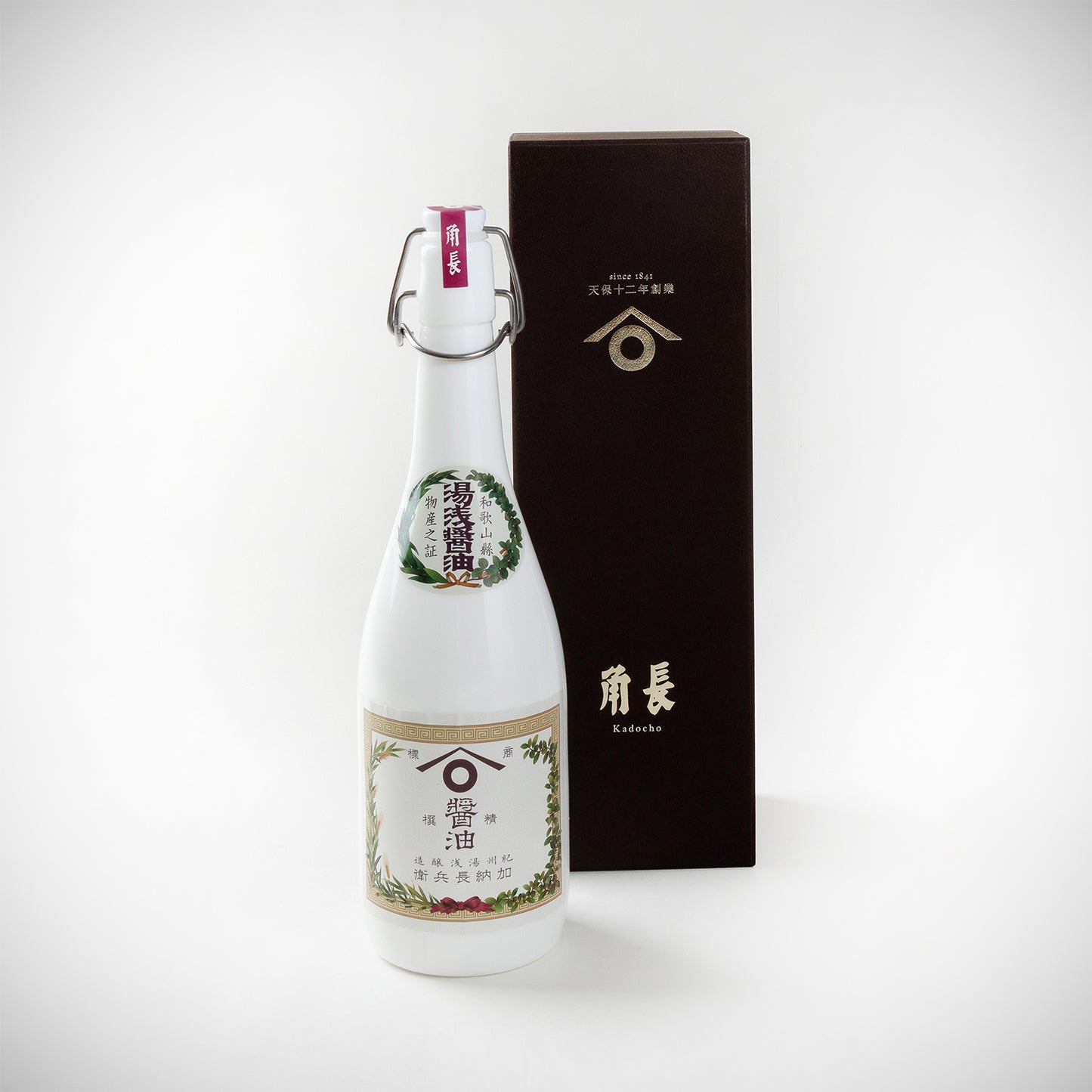
Tamari-style koikuchi shoyu · 3.5-year barrel-aged · Kadocho · Yuasa, Wakayama · Est. 1841
The soy sauce that changes how you think about soy sauce
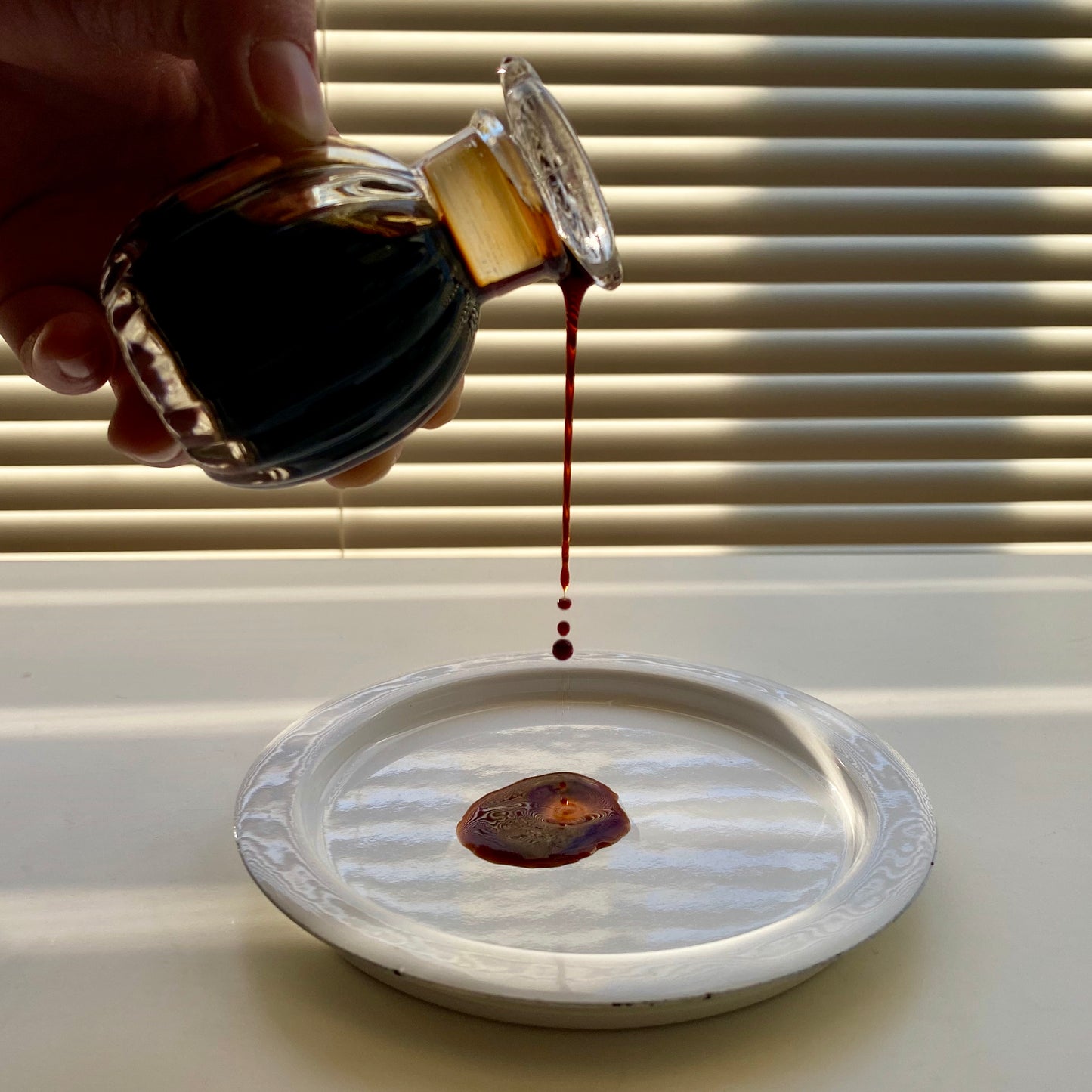
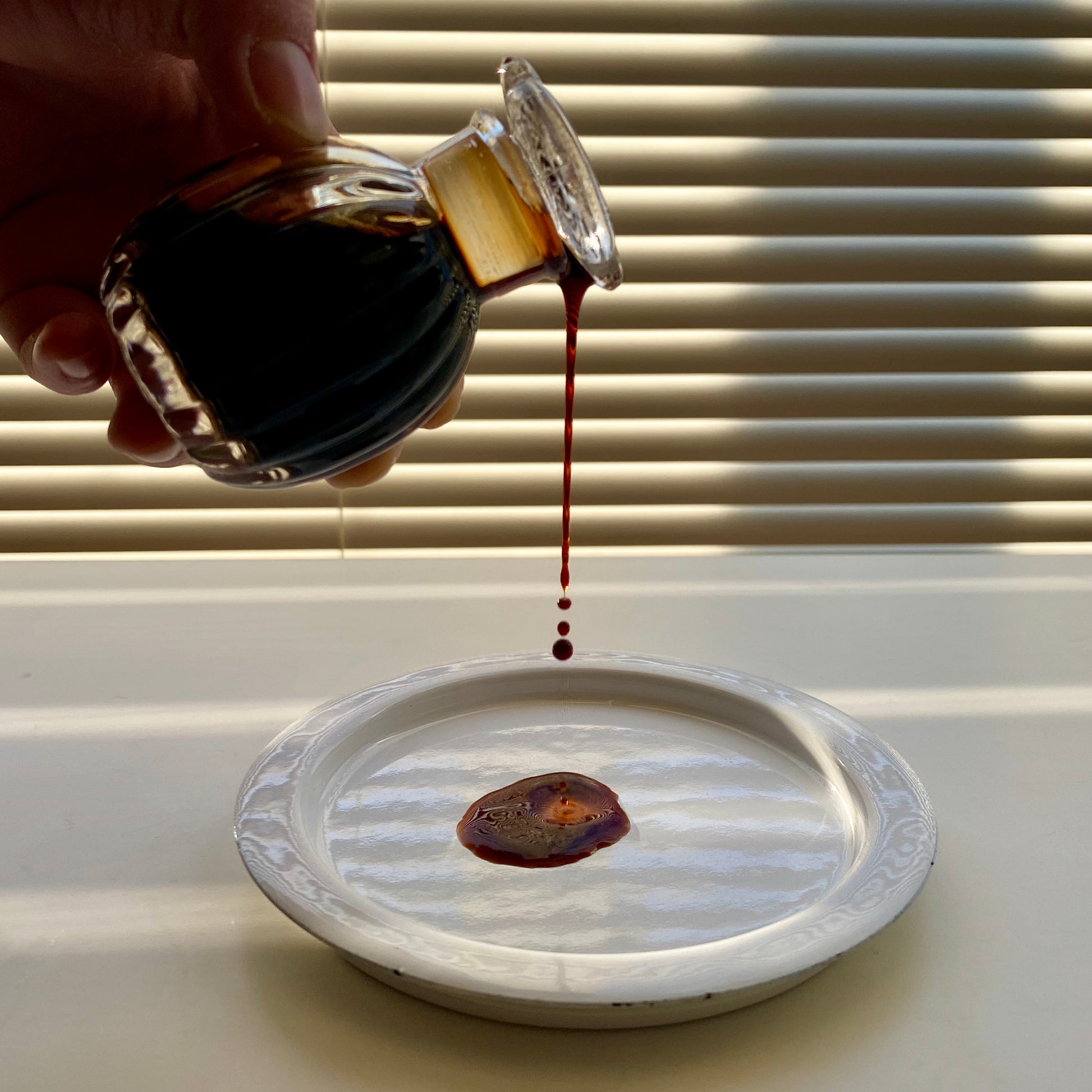
Tasting Kadocho Shoyu Paris for the first time, the first thing most people notice is what is absent: the sharpness. Standard soy sauce leads with salt. This one leads with depth — a layered umami that surfaces slowly and stays. On sashimi, on a fried egg, on plain steamed rice, it does not compete with the food. It clarifies it.

Where soy sauce was born
Soy sauce as Japan knows it today originated in Yuasa, a small town in Wakayama Prefecture, during the Kamakura period (1185–1333). A Zen monk returning from Song Dynasty China brought back a recipe for kinzanji miso — a fermented soybean paste. During production, liquid accumulated at the bottom of the barrels. That liquid, refined over time, became what is now called shoyu. The techniques spread from Yuasa to other regions: Choshi in Chiba Prefecture and Shodoshima Island are today Japan's most famous soy sauce producing areas, but both trace their methods back to Yuasa.
The last brewery still making it by hand in Yuasa
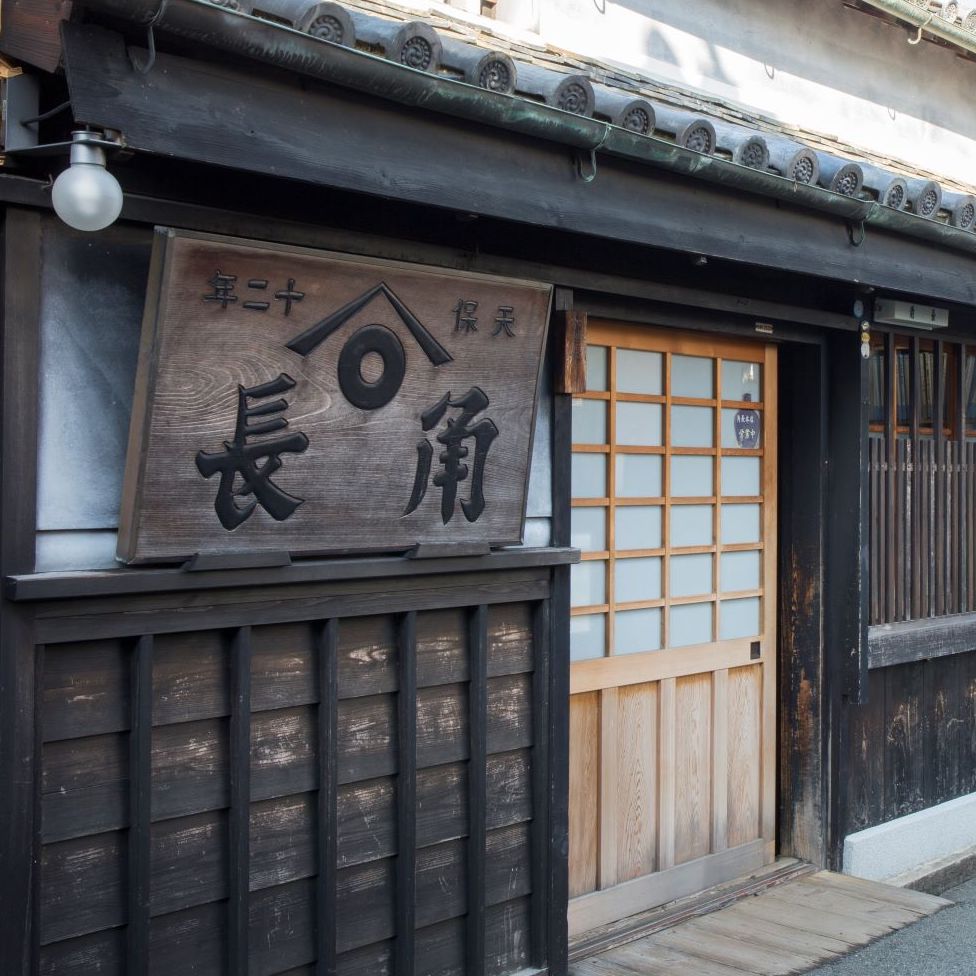
Kadocho was founded in 1841 in Yuasa — in the same town where soy sauce first emerged. After World War II, the pressure to mechanize and scale was considerable. Of the two dozen or so soy sauce breweries that remained in Yuasa at the time, all but Kadocho eventually converted to industrial production. Kadocho continues to brew by hand, in the same aging brewery buildings used since the Edo period. In December 2022, those brewery buildings were designated an Important Cultural Property by the Japanese government.

The Kadocho brewery — designated an Important Cultural Property in 2022
How Kadocho Shoyu Paris is made
The process follows six stages, unchanged since the brewery's founding.
First, the raw materials are prepared. Soybeans from Okayama Prefecture are soaked and steamed. Wheat from Gifu Prefecture is roasted and cracked. Standard koikuchi soy sauce uses a 5:5 ratio of soybeans to wheat; Kadocho uses 6:4 — more soybean, less wheat — contributing to the deeper flavor profile.
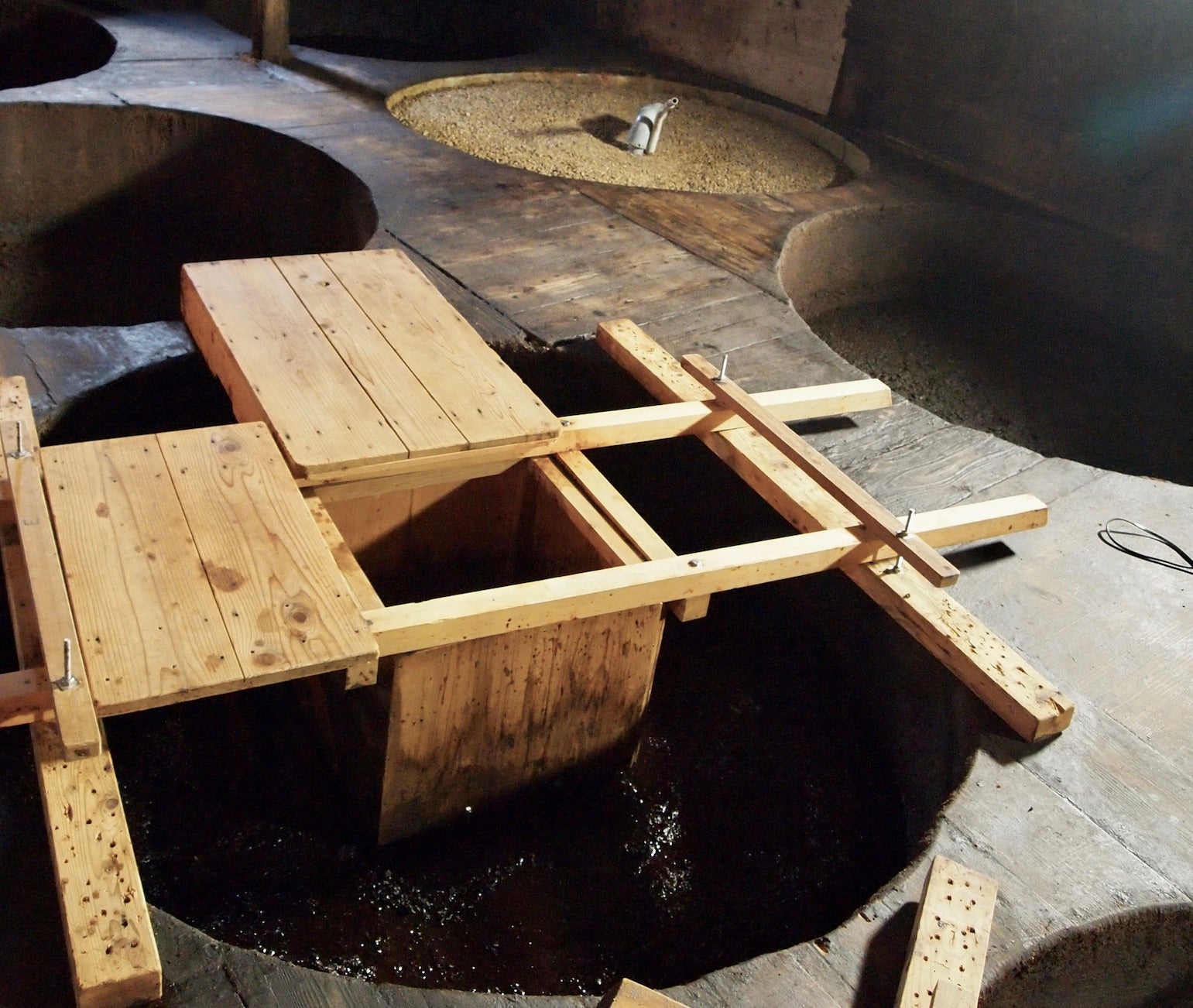
Next comes koji cultivation. The steamed soybeans and cracked wheat are mixed with koji spores and placed in a controlled environment for four days, during which temperature and humidity are carefully managed and the mixture is turned several times to encourage even growth.

Koji cultivation — the foundation of Kadocho's flavor
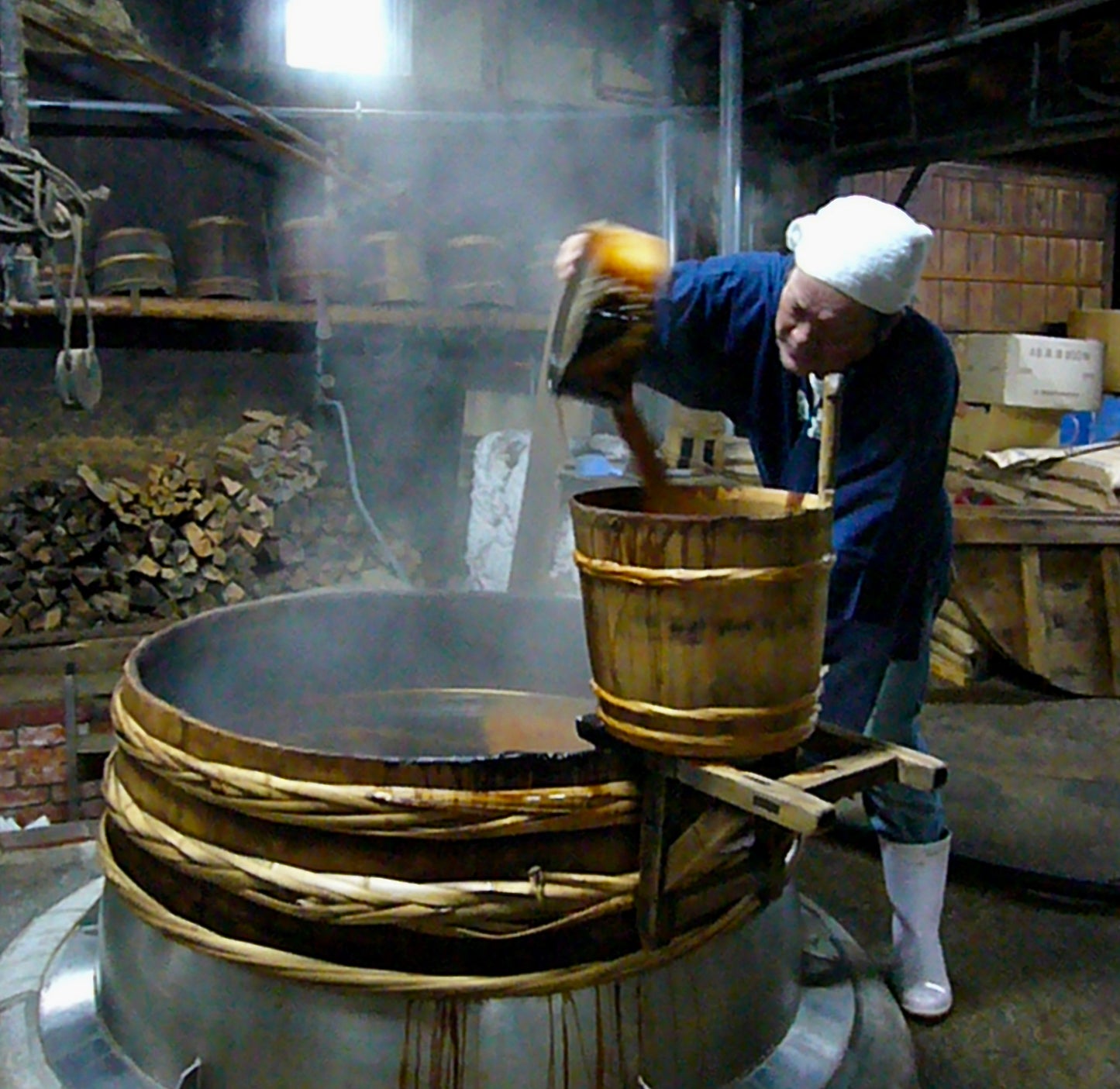
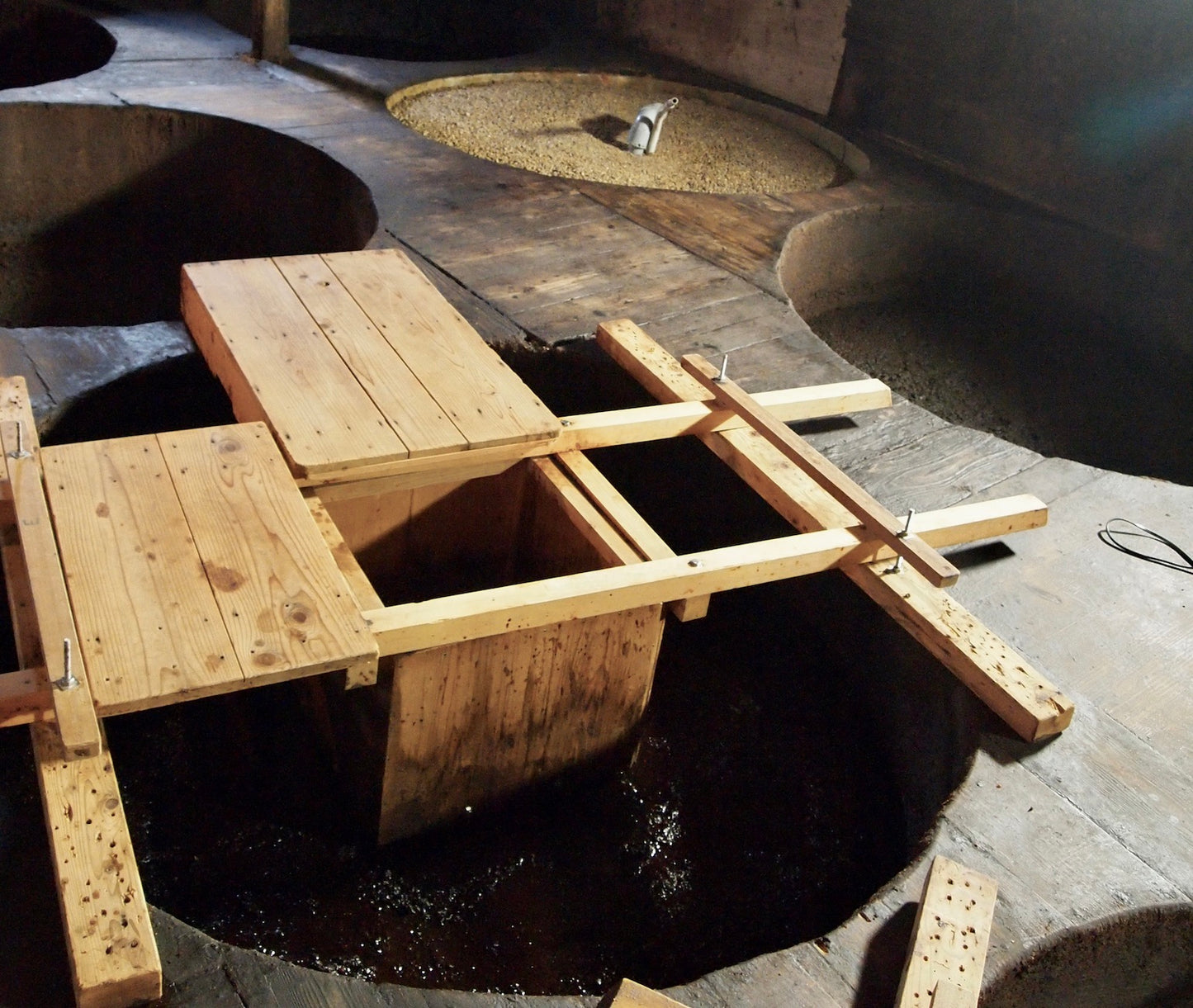
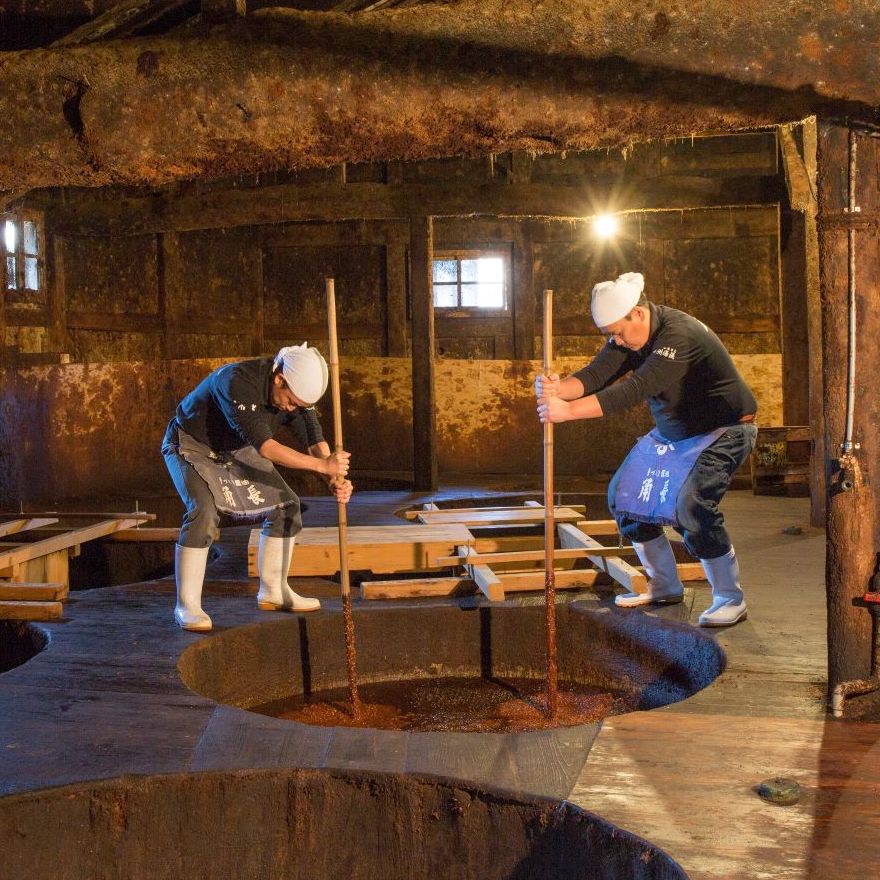
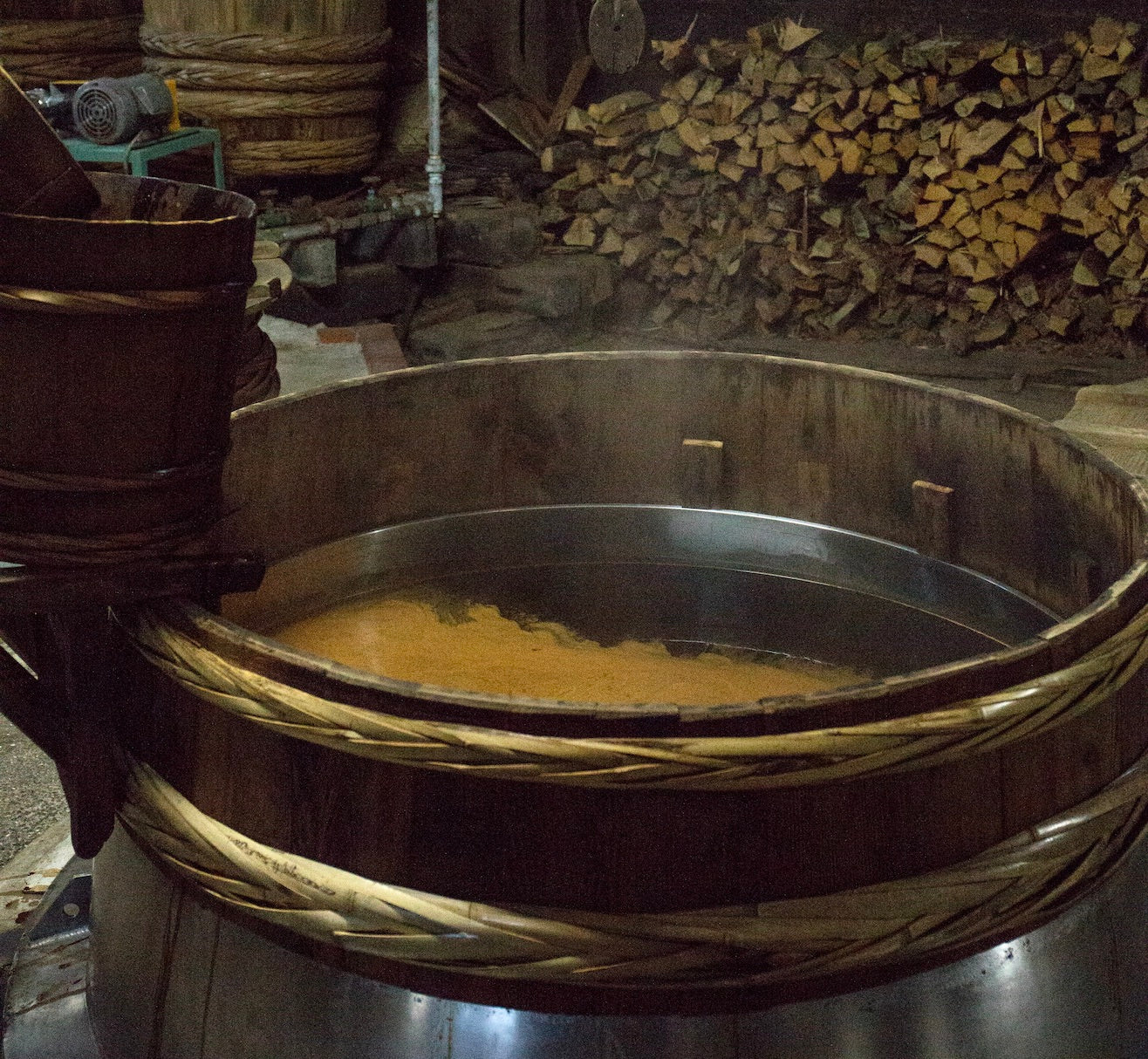
The koji is then mixed with salt and water from the Yamada River — a soft, clean water source near the town — and transferred to fermentation barrels made from Yoshino cedar, where it becomes moromi: the fermenting mash. Kadocho brews only in winter, when lower temperatures reduce bacterial contamination and make temperature management more precise.

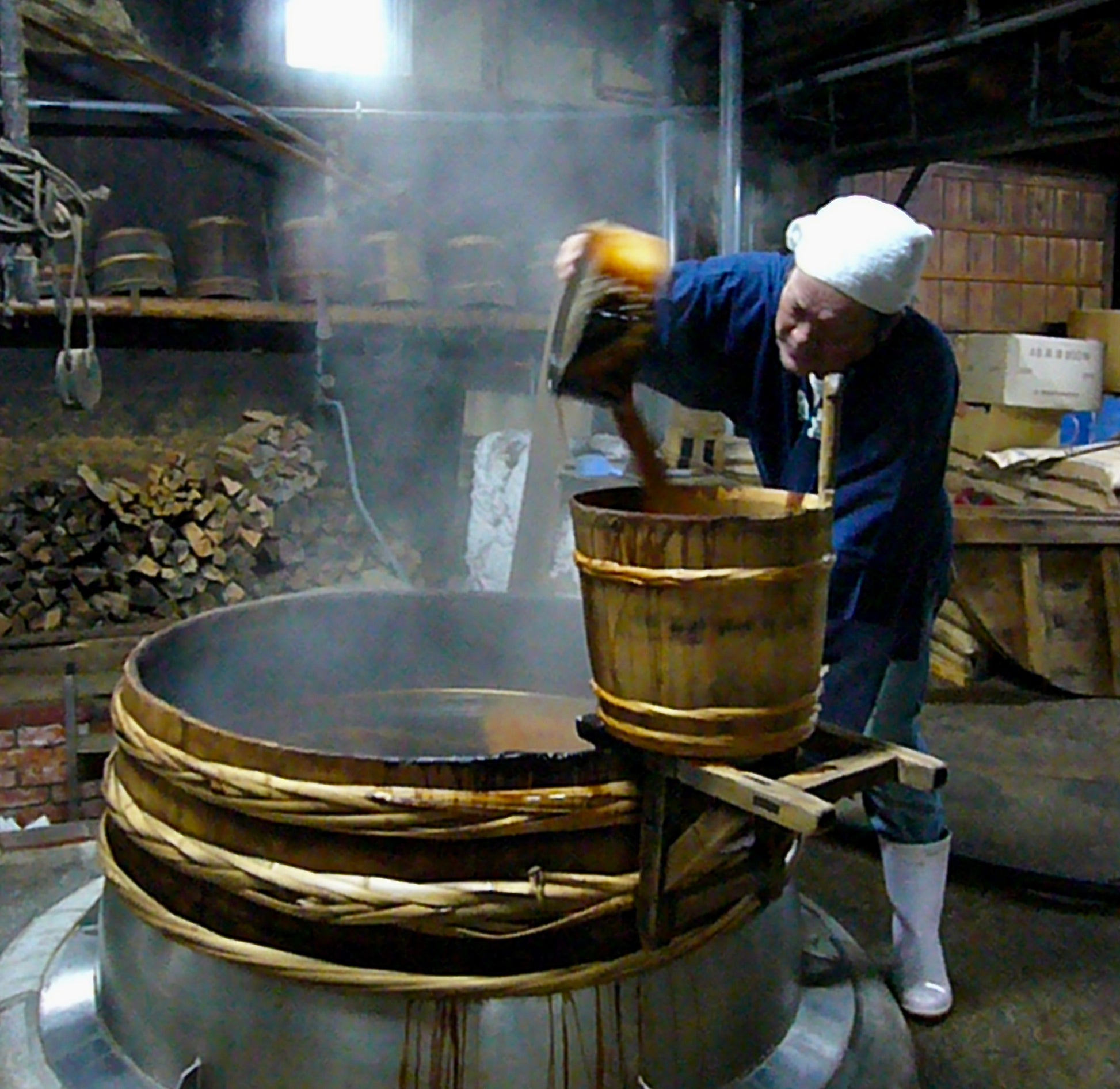
Kai-ire — stirring the moromi during fermentation
This is where Paris diverges from Kadocho's standard production. Standard koikuchi is fermented for one to one and a half years, then pressed, filtered, and heat-pasteurized. Paris is fermented in selected large Yoshino cedar barrels for over three and a half years — more than twice as long. It is never pressed. It is never heated. When fermentation is complete, only the surface layer of the moromi — the clearest, most refined portion — is ladled by hand into bottles. The result is a nama (unpasteurized), muroka (unfiltered) koikuchi shoyu of exceptional depth.
The yeast that lives in the walls
Fermentation at Kadocho depends on kura-tsuki kobo — wild yeast that inhabits the beams, floors, and ceiling of the brewery itself. When a section of the roof was repaired and the beams beneath it replaced, the barrels under that section failed to ferment properly. Since then, repairs are made only to the outer structure; the interior beams are left undisturbed. The yeast is not a product or an ingredient. It is the brewery.
A bottle designed in 1884
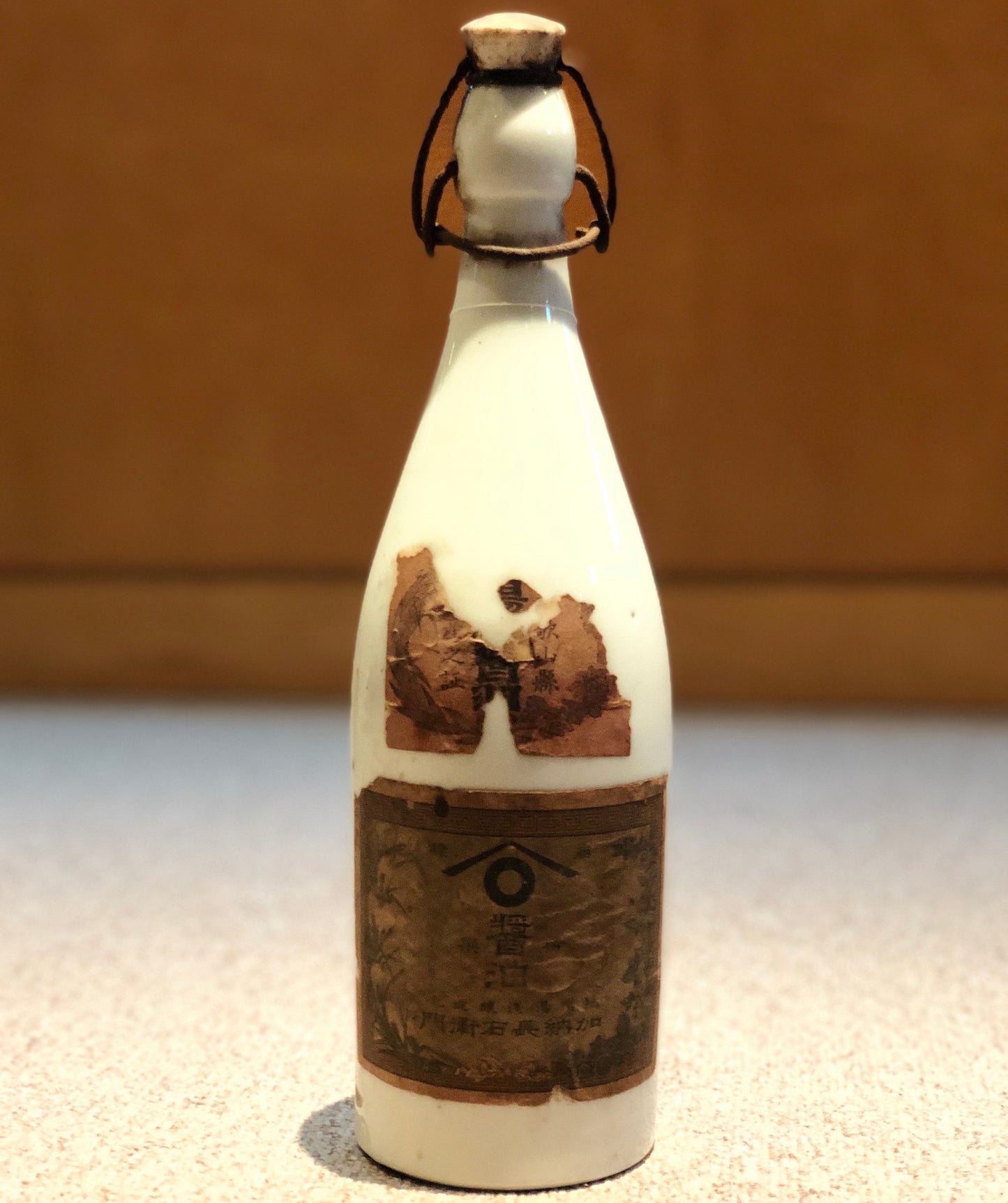
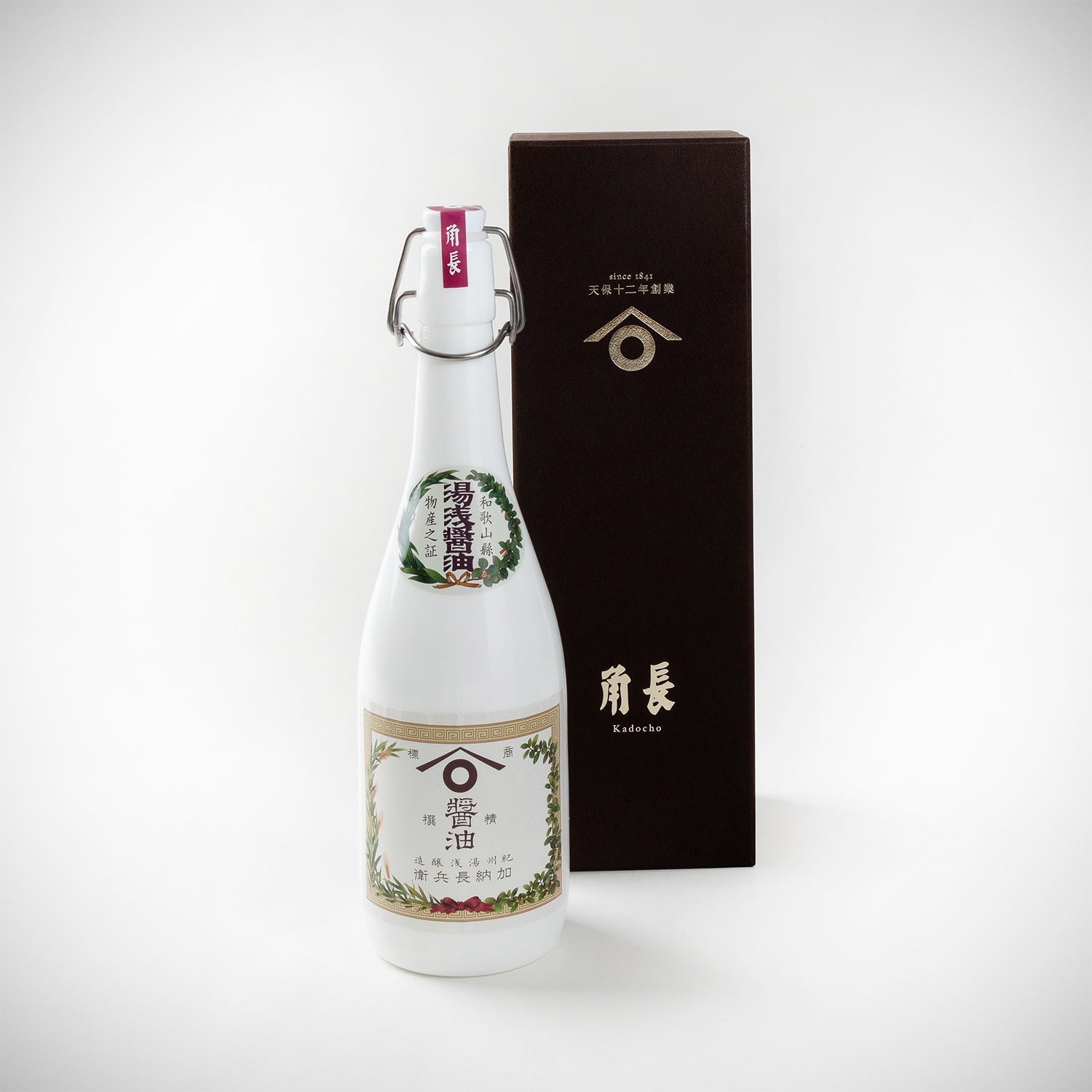
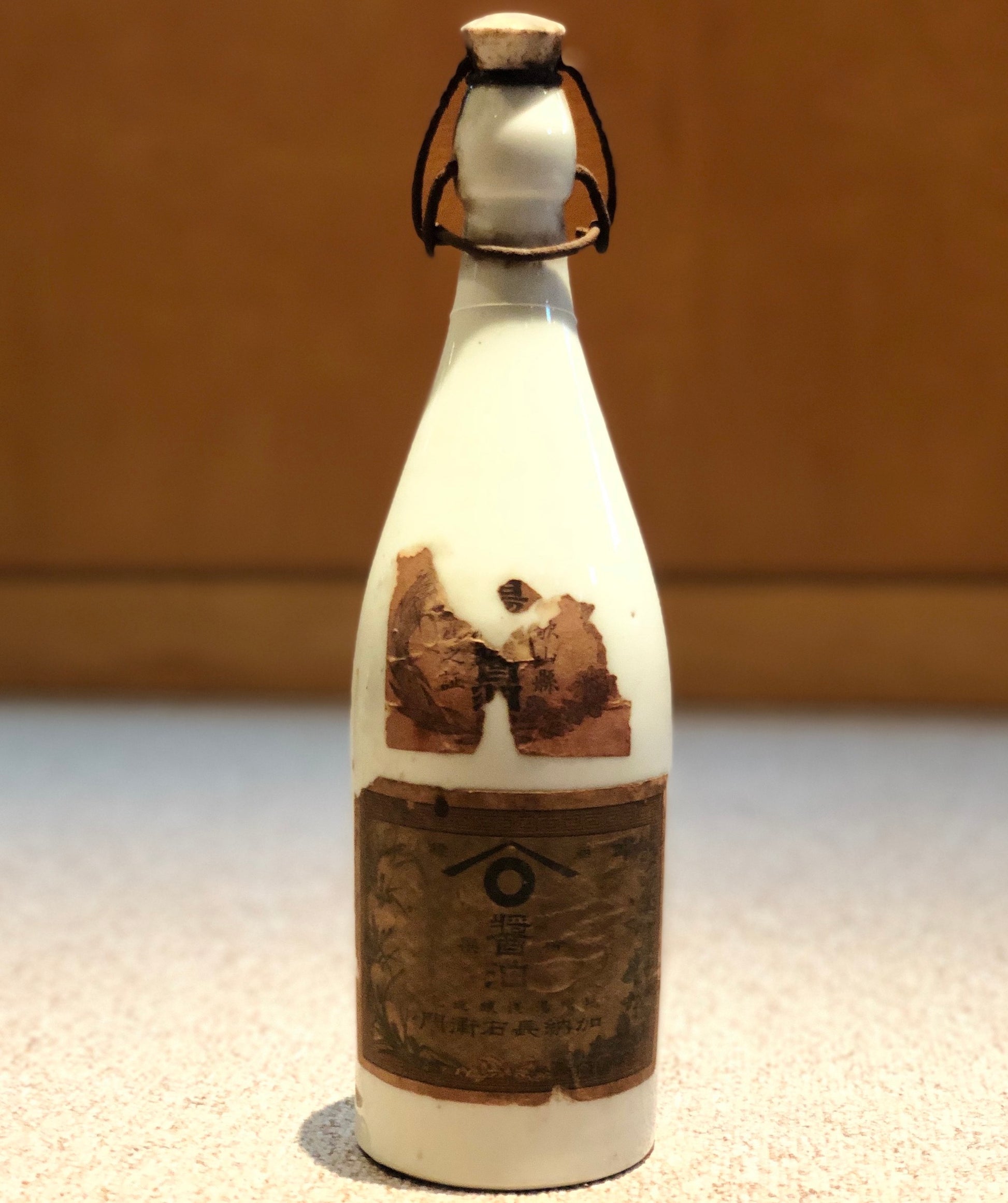
Kadocho's soy sauce was exhibited at the Fifth Paris Exposition Universelle in 1900. The bottle and label design of Paris is a faithful reproduction of the oldest documented Kadocho bottle, dating to 1884 — predating even that Paris appearance. Each bottle is filled by the brewery owner personally, to order.

The original 1884 bottle — preserved at the Kadocho brewery
Kadocho Shoyu Paris is not sold at Kadocho's own shop or website, and is not available through any retail outlet. It is produced in limited quantities and available exclusively through By Emotion.
Specifications
Volume: 720 ml (24.4 fl oz)
Type: Koikuchi shoyu (dark soy sauce) · nama (unpasteurized) · muroka (unfiltered)
Brewer: Kadocho Co., Ltd. · Yuasa, Wakayama Prefecture, Japan · Est. 1841
Brewery buildings designated an Important Cultural Property of Japan (2022)
Ingredients
Soybeans (Okayama Prefecture, Japan) · wheat (Gifu Prefecture, Japan) · salt (sun-dried sea salt, Australia) · water · koji
No chemical seasonings · no colorings · no preservatives · no added alcohol
Storage
Refrigerate after opening. Best consumed within the best-before date.
Best before: approximately 1 year from the date of bottling. As bottling occurs at the time of order, the best-before date is approximately 1 year from the date of shipment.
Shipping
Ships within 1 week · Shipping cost included in price
Note
Please note that import duties, taxes, and customs clearance fees are the responsibility of the buyer. We cannot guarantee customs clearance in all countries. Products are shipped from Japan as personal imports.
Soy sauce is subject to import regulations in some countries. Australia requires declaration of all food products at the border, and items may be subject to inspection. Buyers are encouraged to check the import regulations applicable to their country before placing an order.
Please note that all product labels and packaging are written in Japanese only. Ingredient information and storage instructions are listed on this product page.
-
Soy Sause "Paris" - By Emotion International
-
Soy Sause "Paris" - By Emotion International
-
Soy Sause "Paris" - By Emotion International
-
Soy Sause "Paris" - By Emotion International
-
Soy Sause "Paris" - By Emotion International
-
Soy Sause "Paris" - By Emotion International
-
Soy Sause "Paris" - By Emotion International
-
Soy Sause "Paris" - By Emotion International