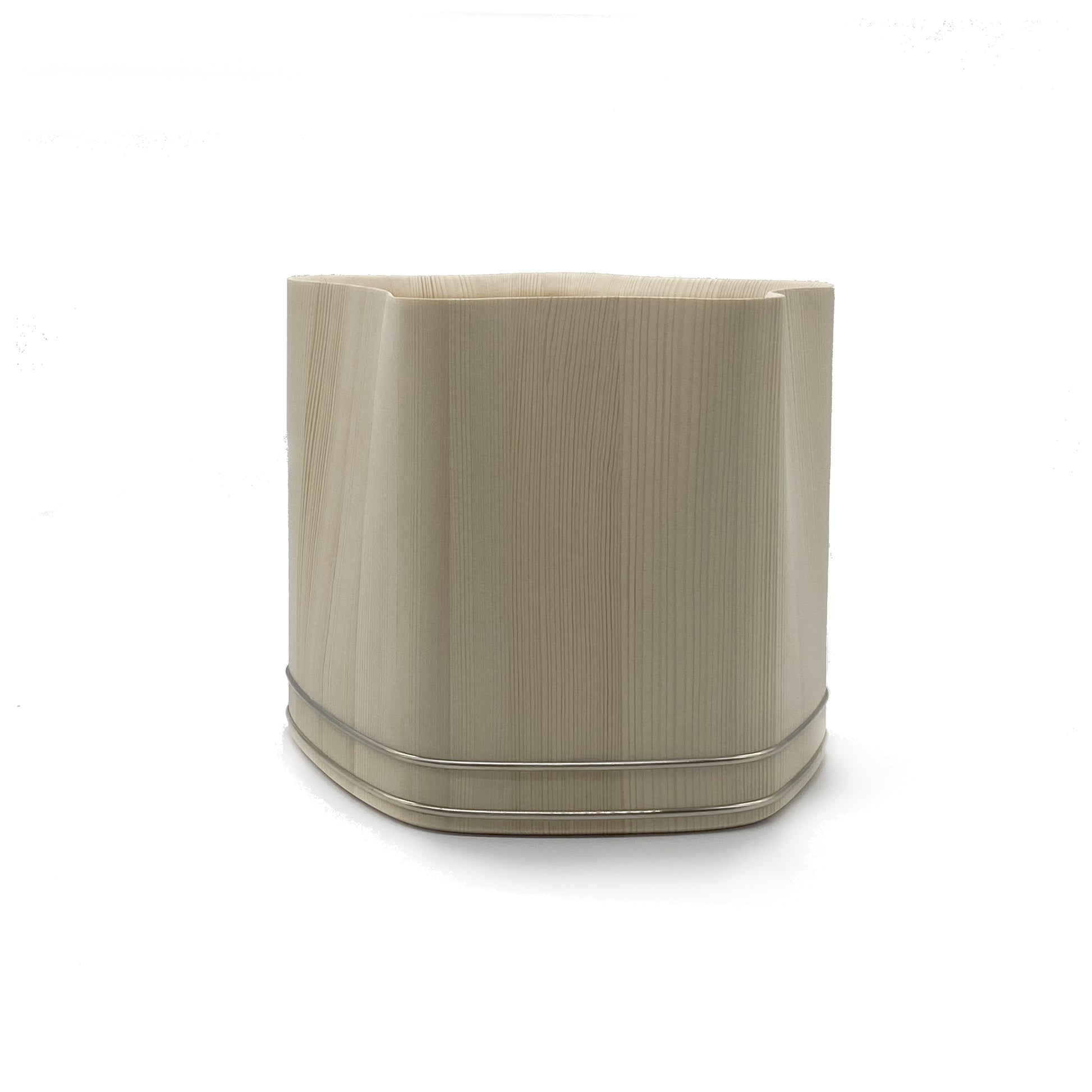
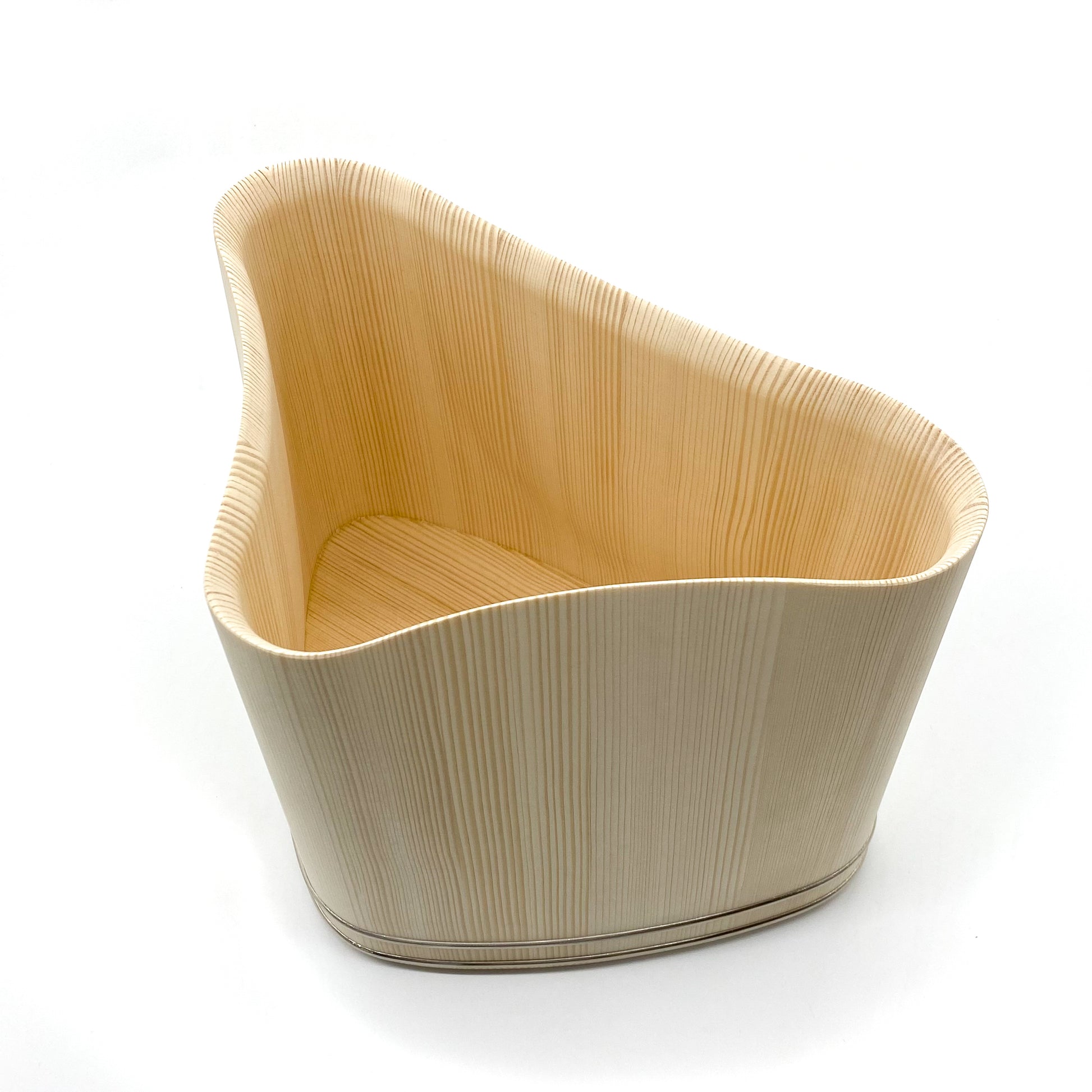
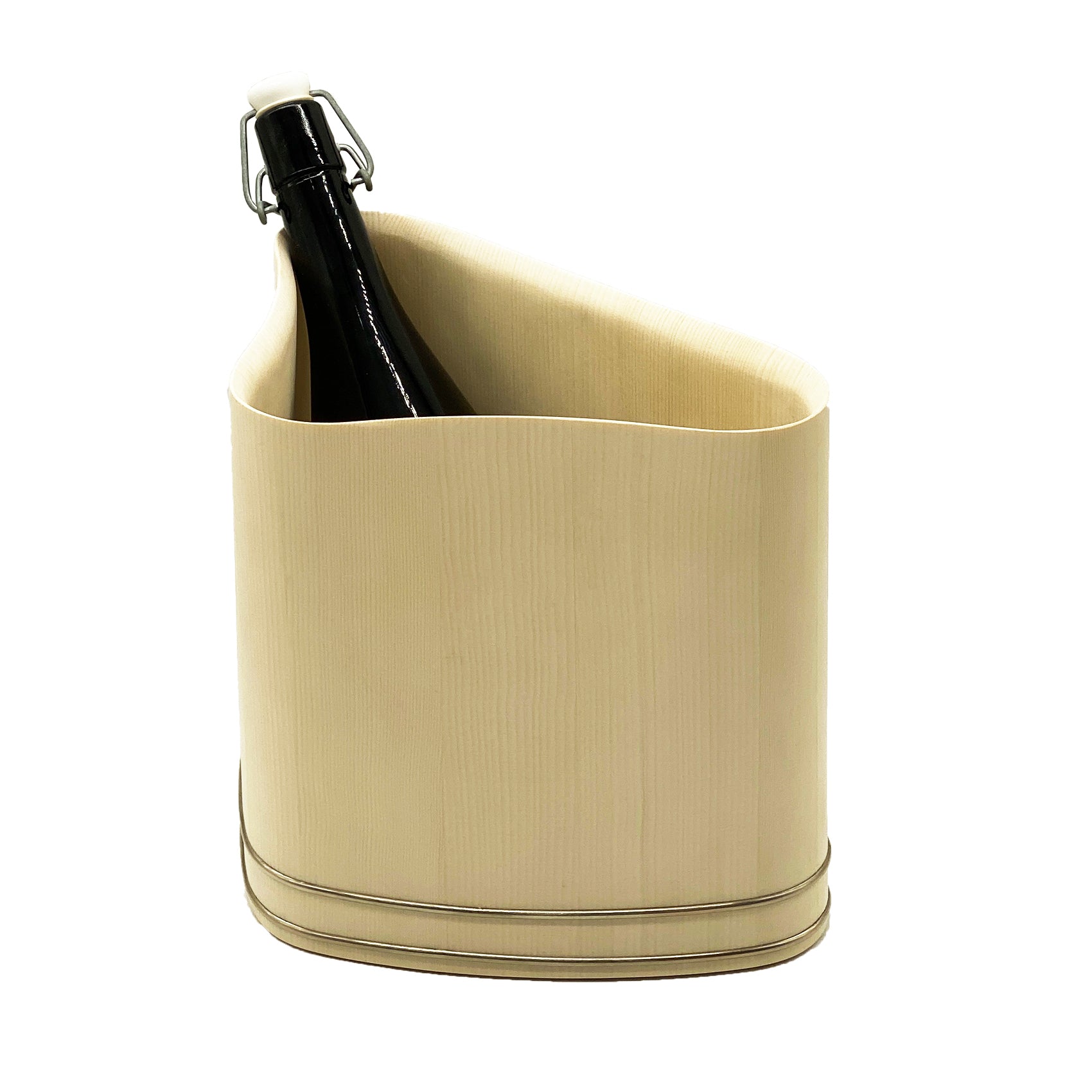
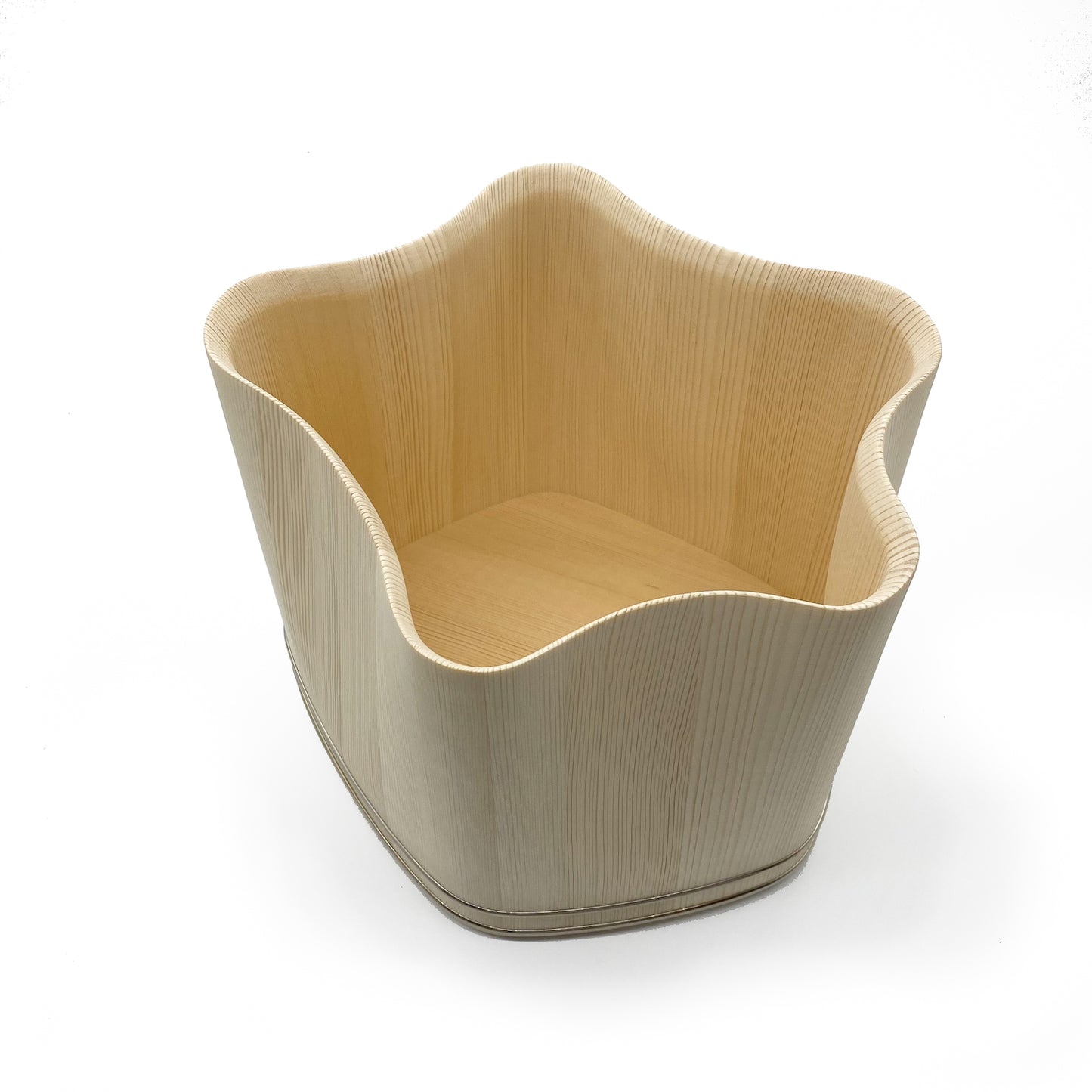
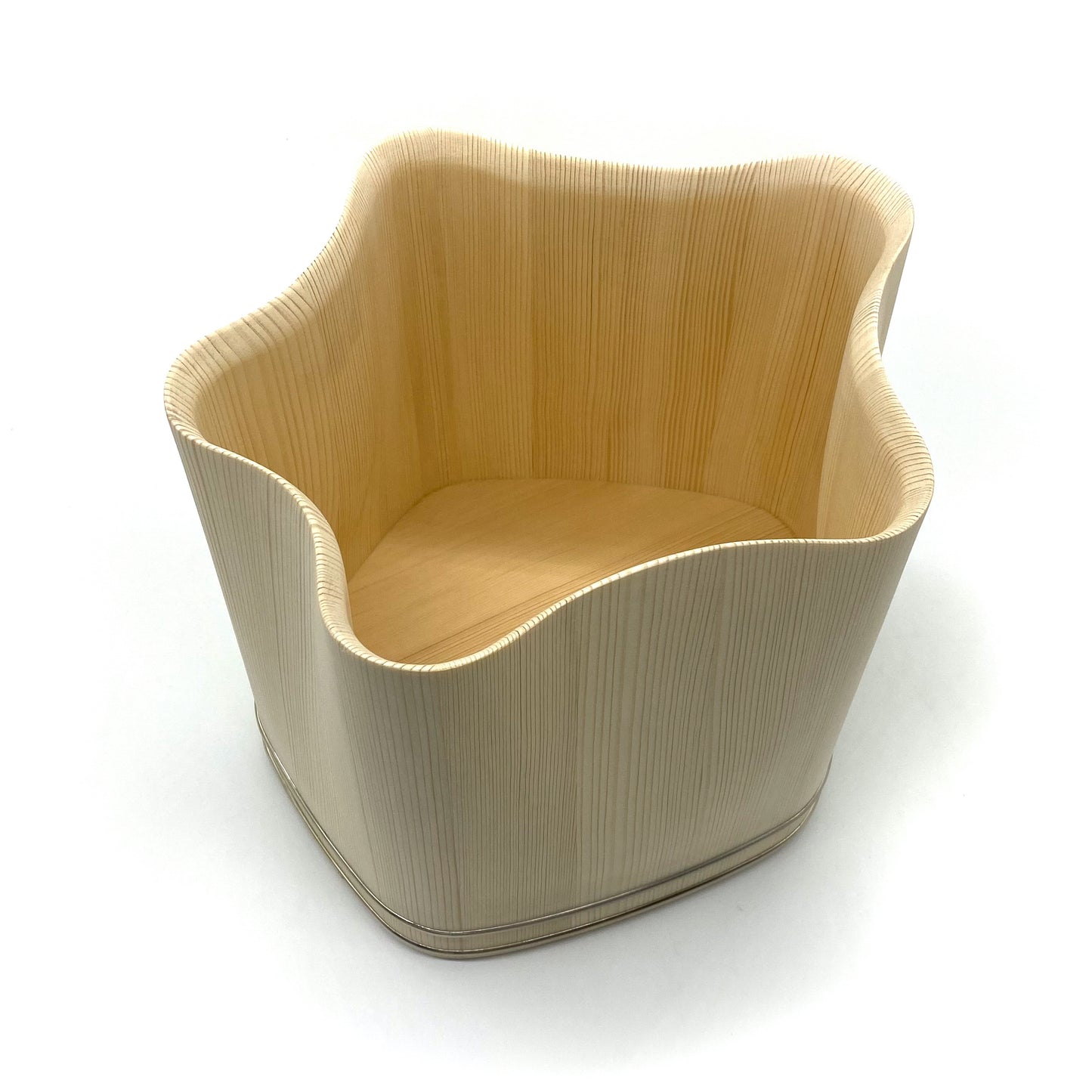
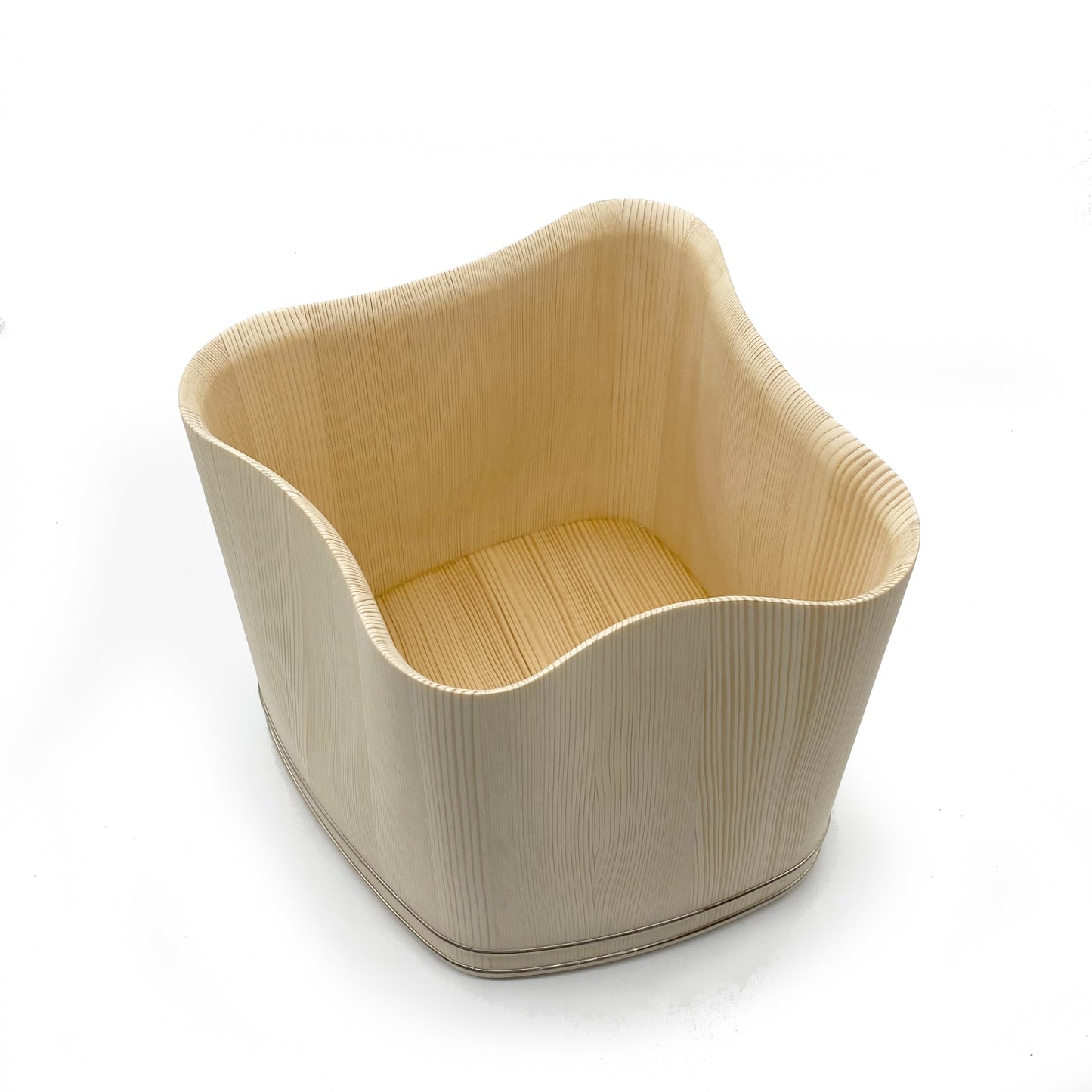
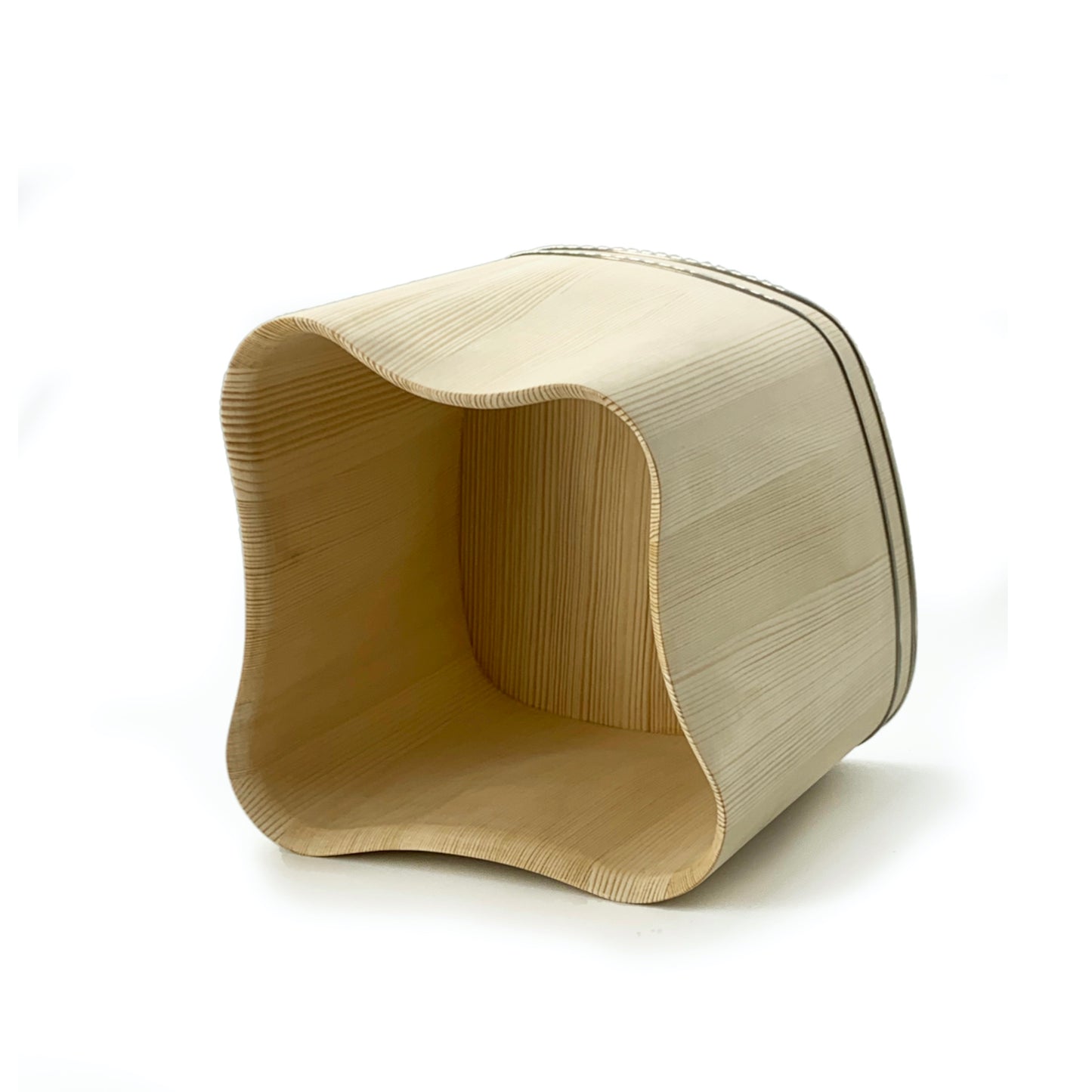
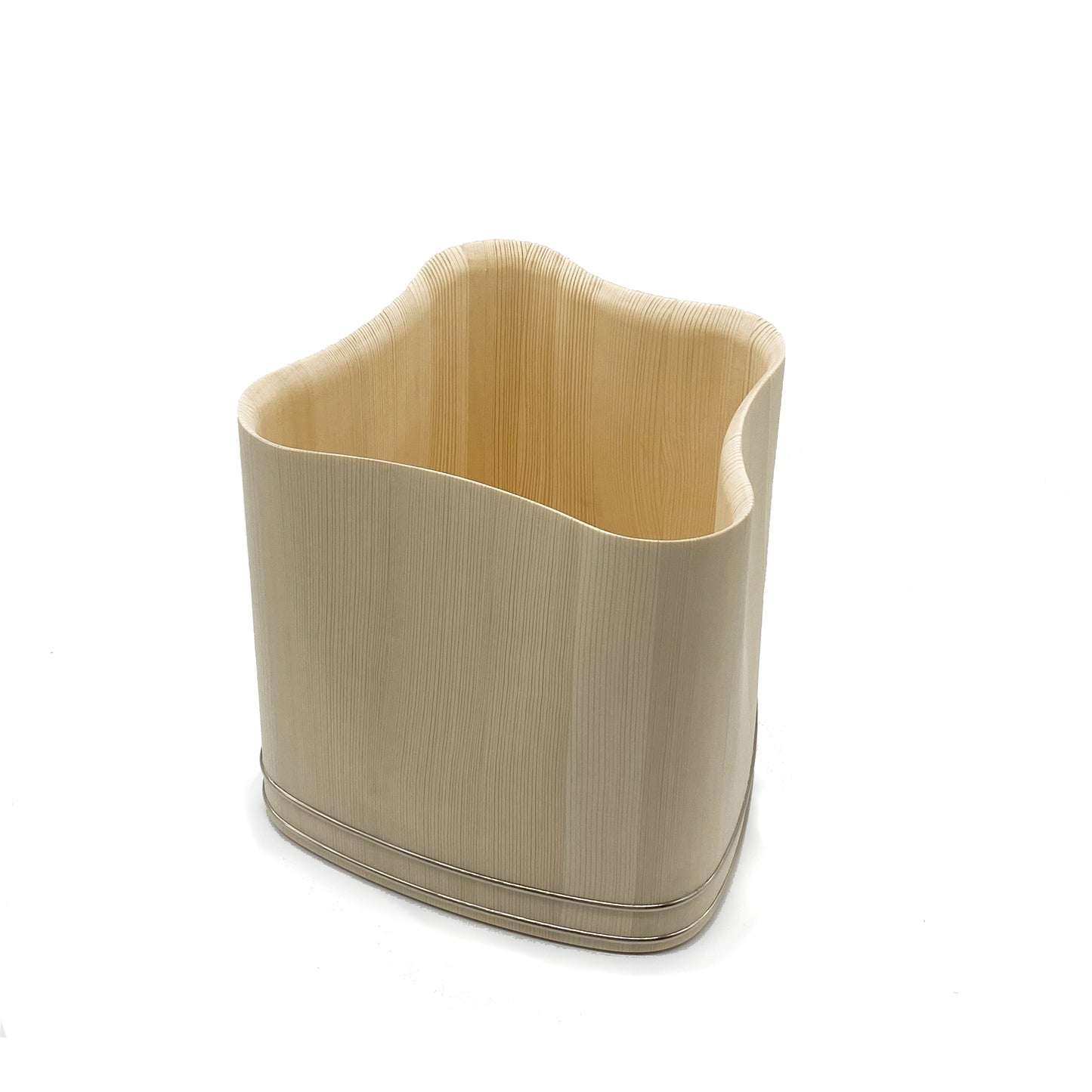
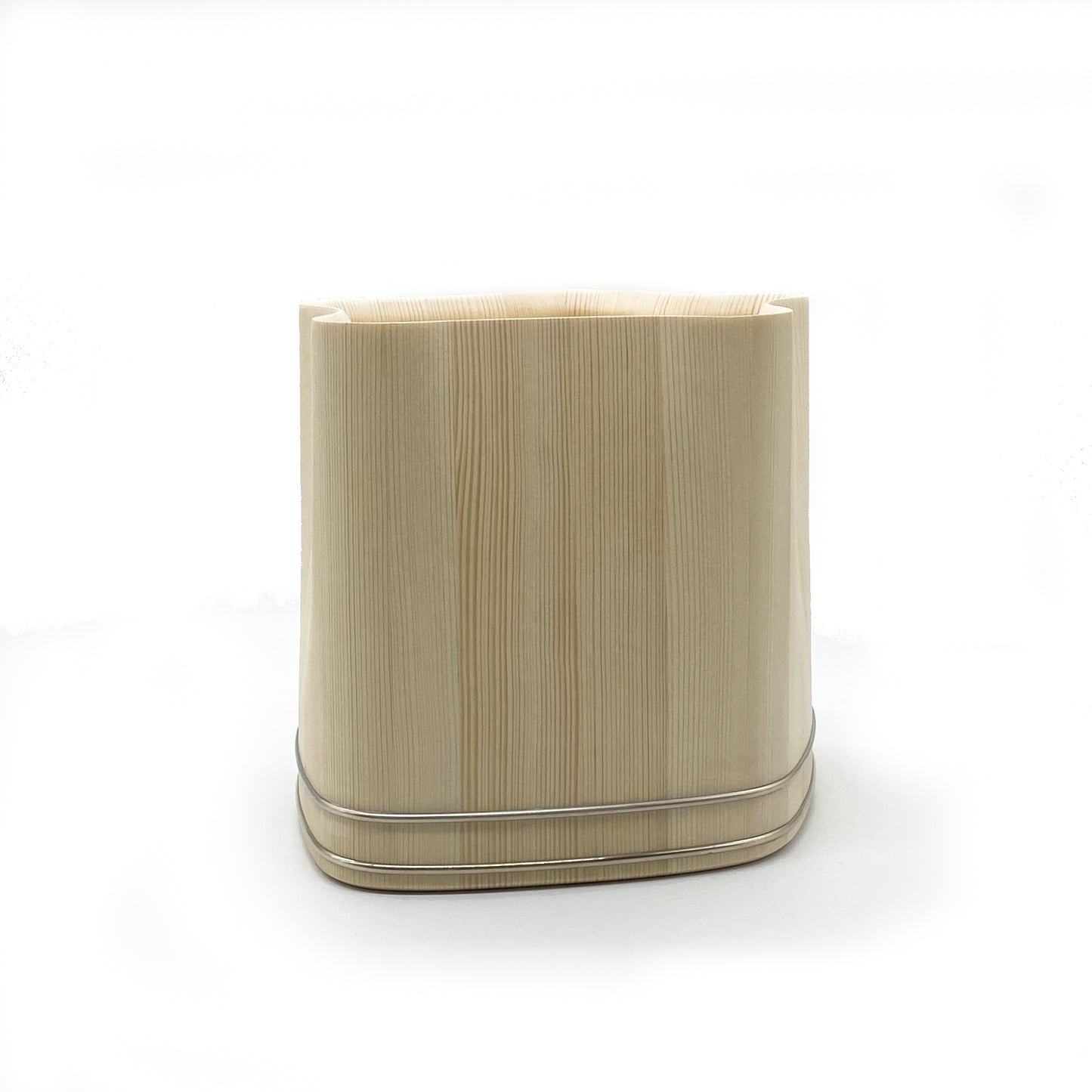
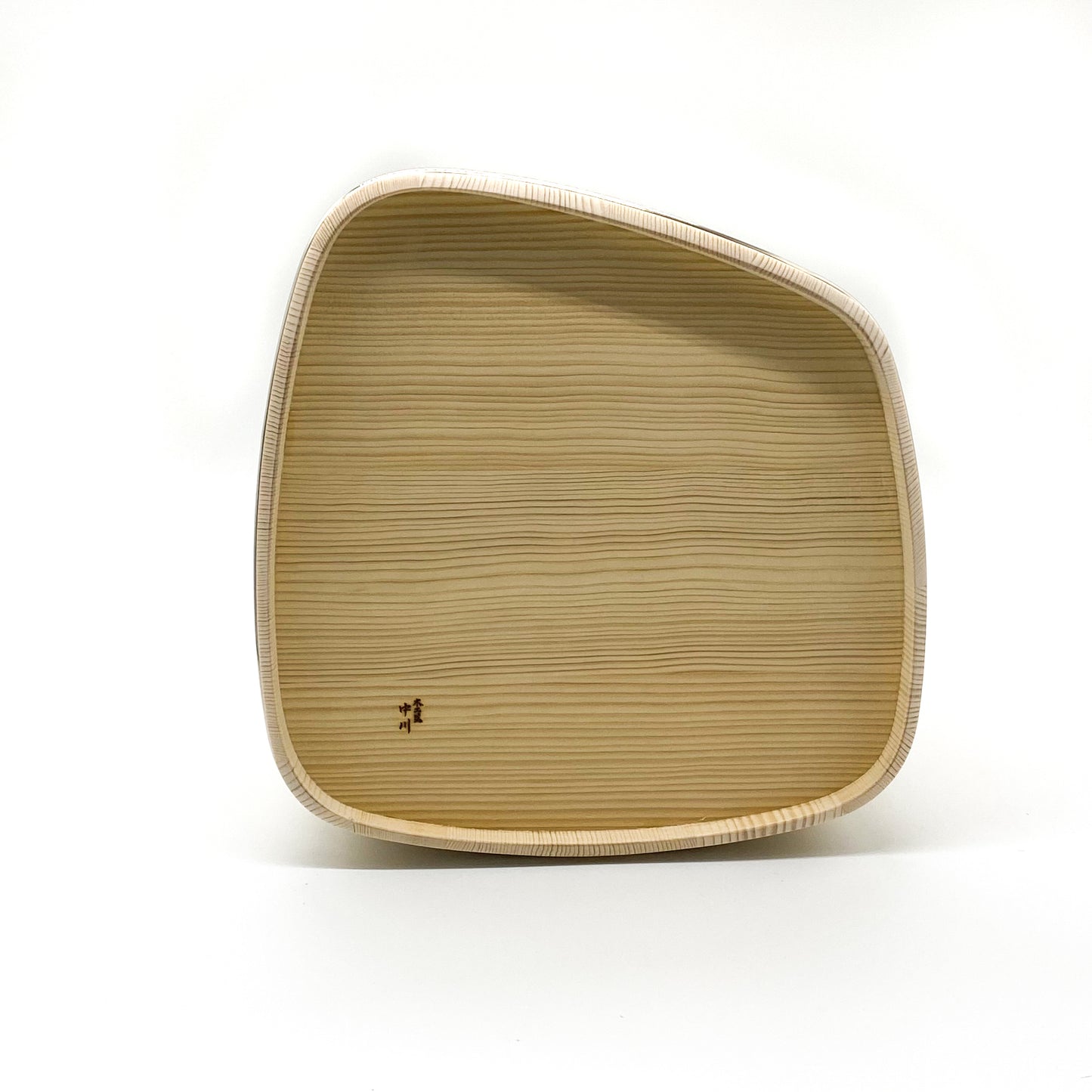
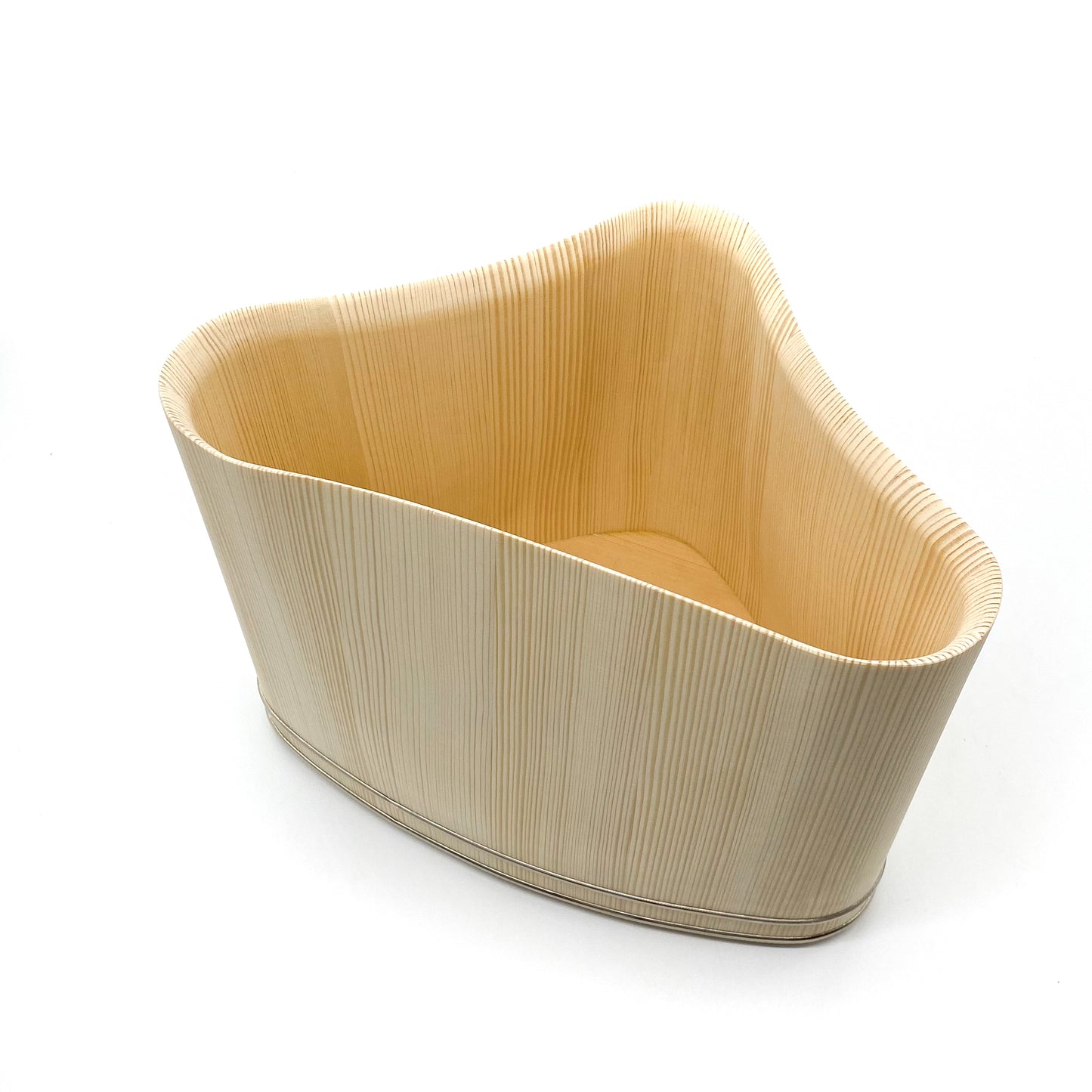
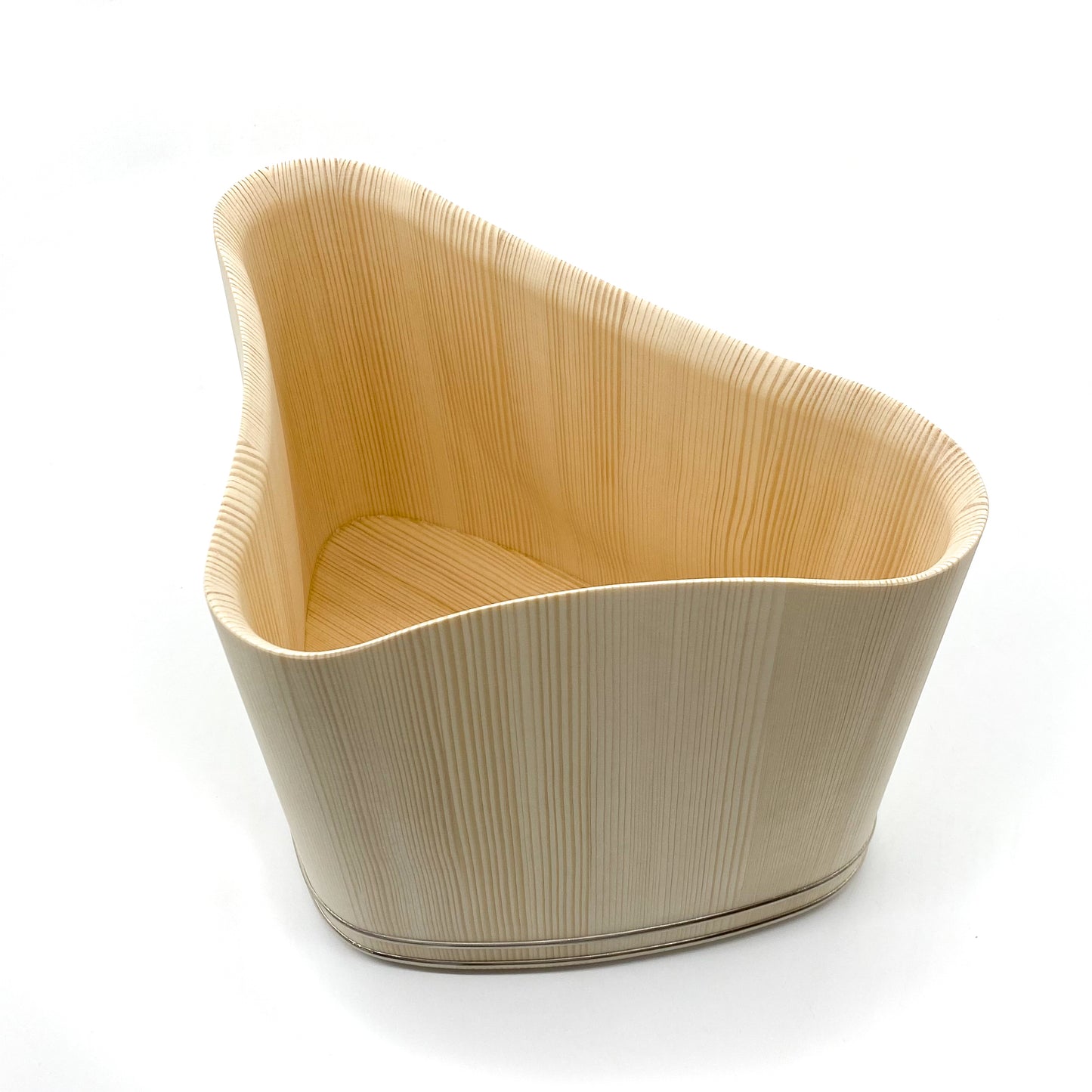
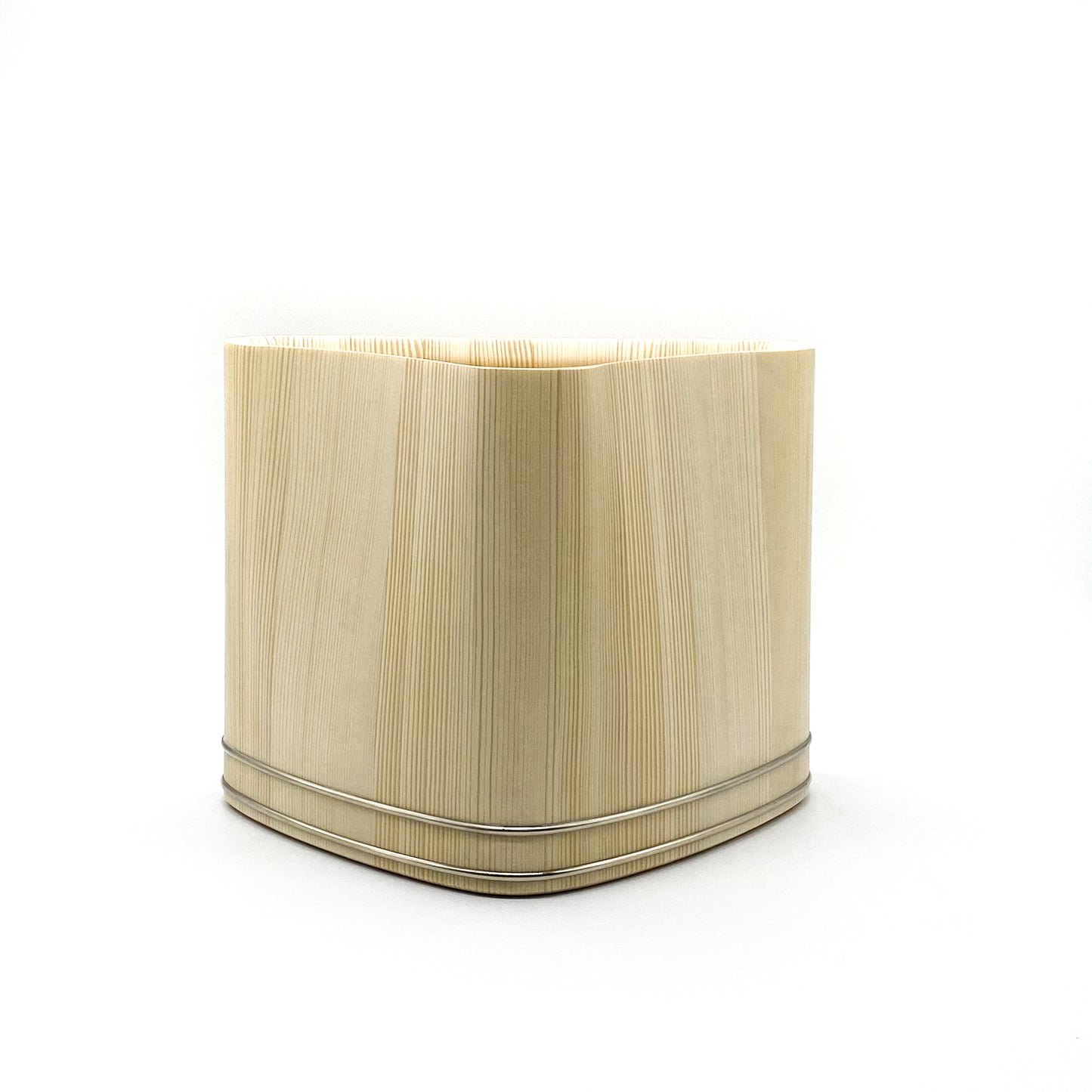
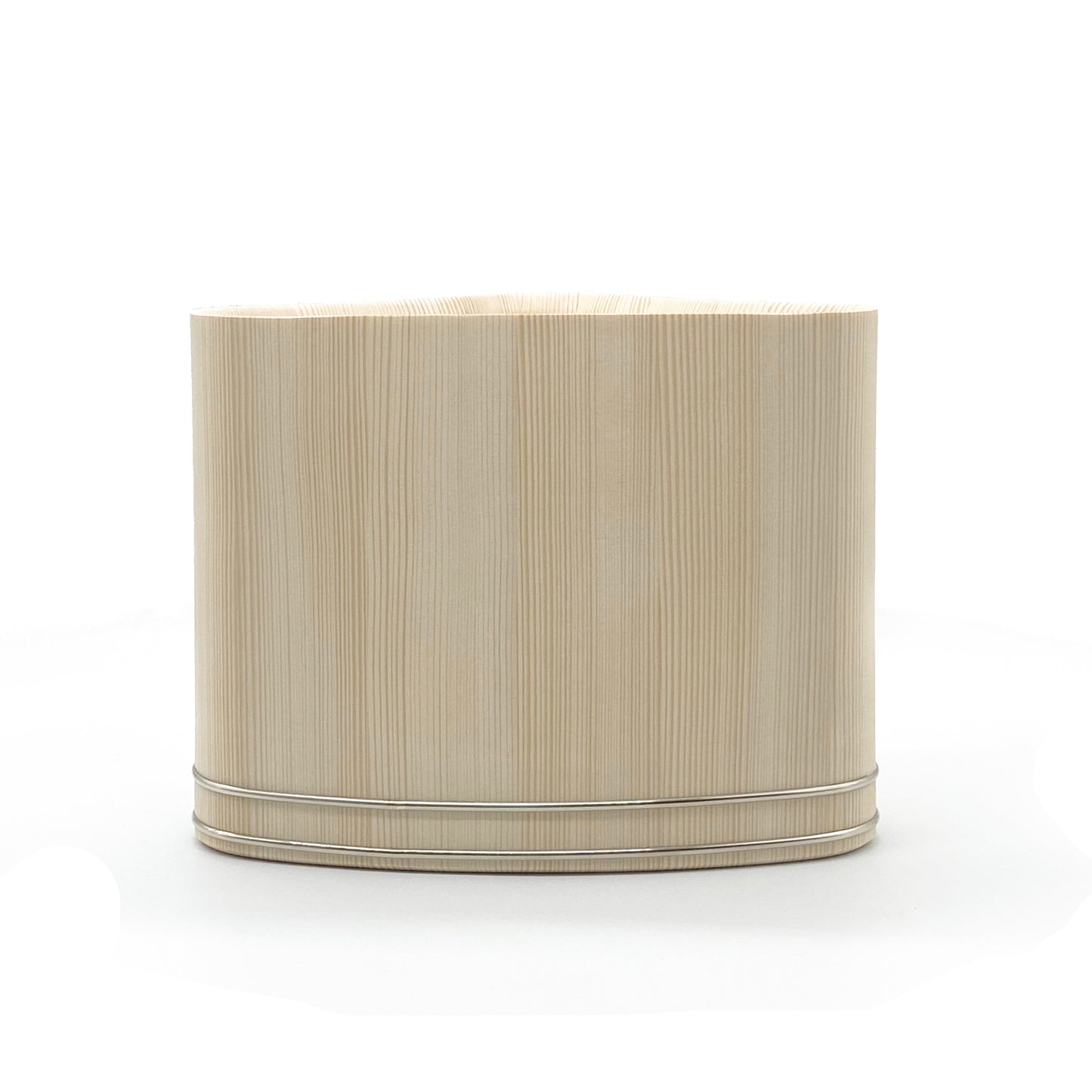
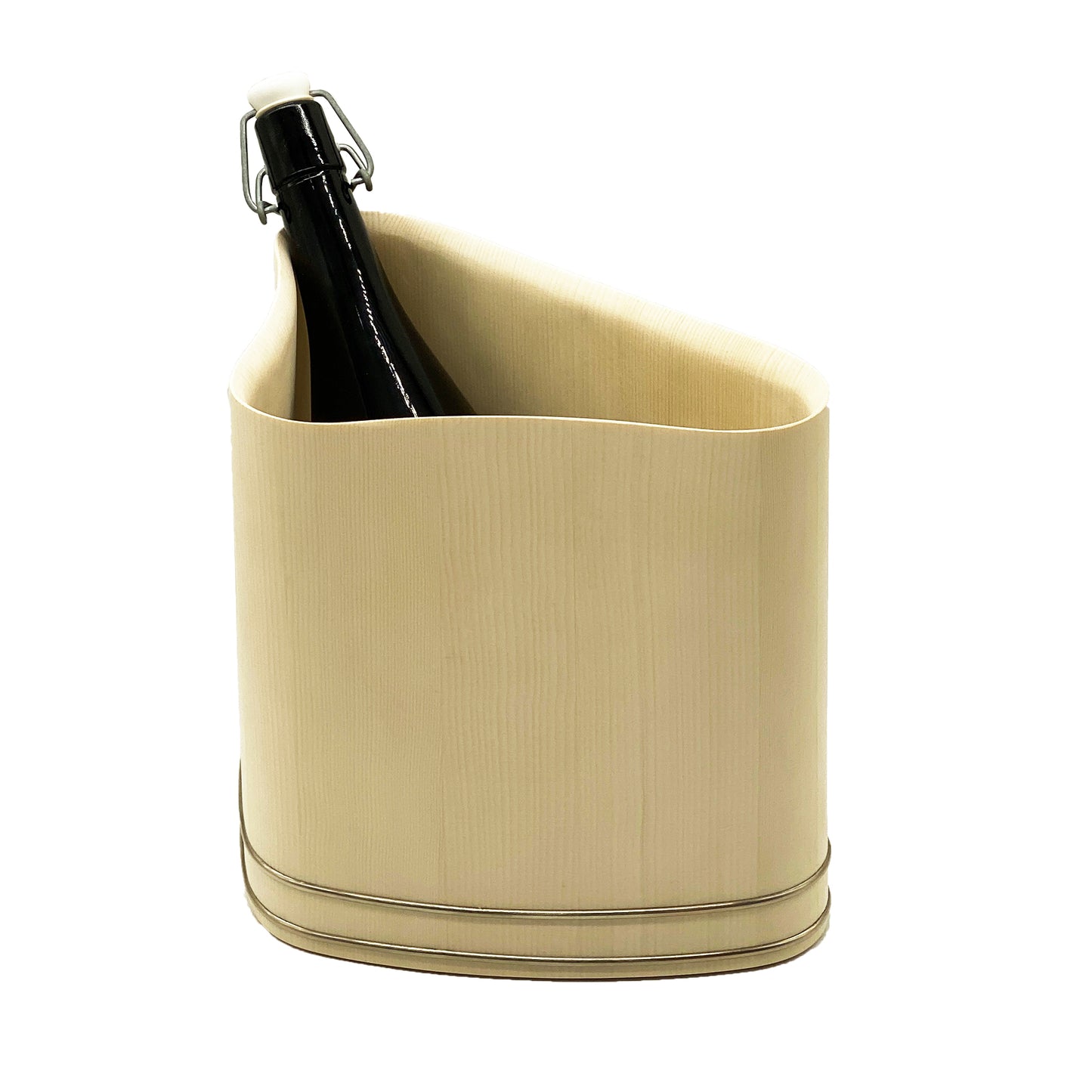
Handmade Wooden Champagne Cooler
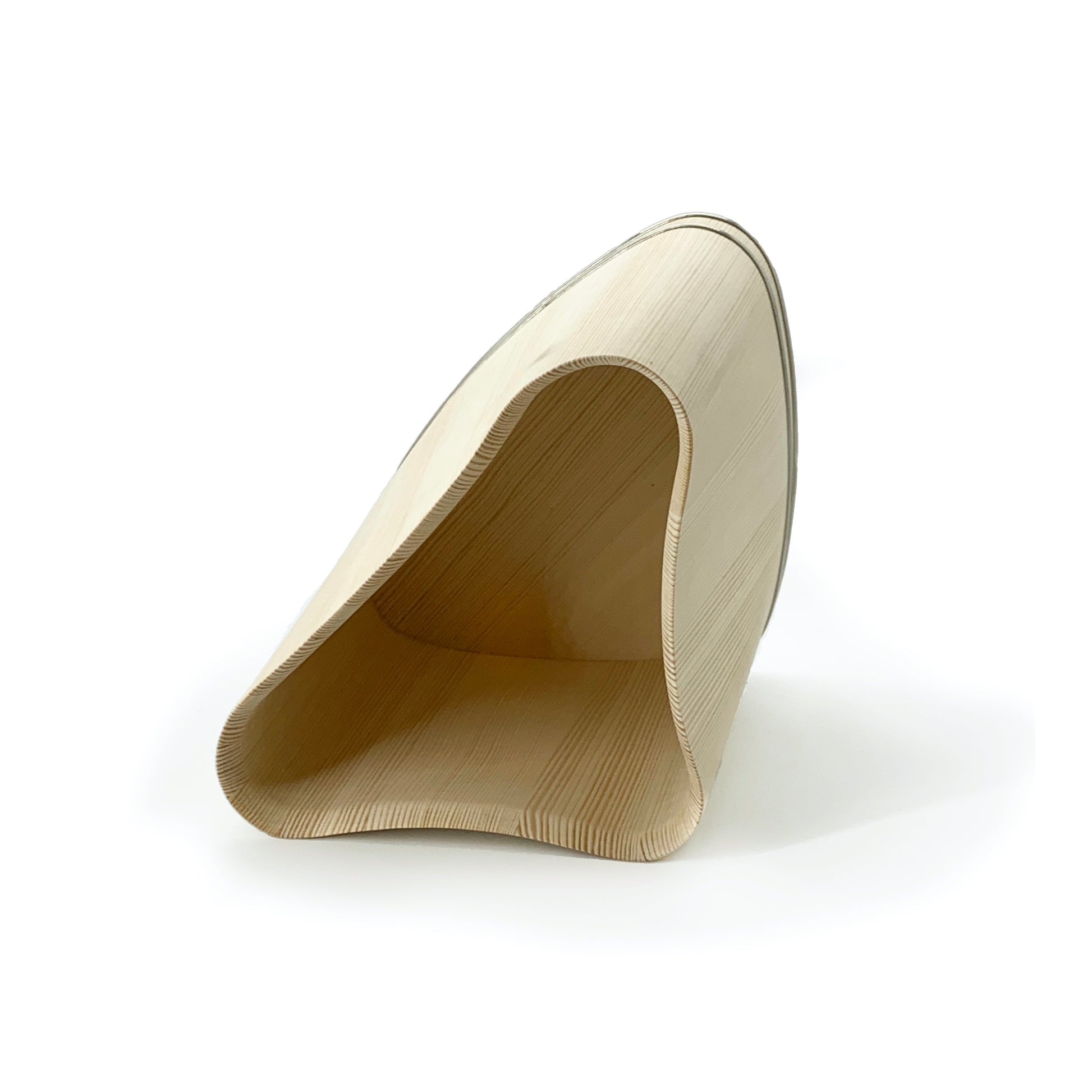
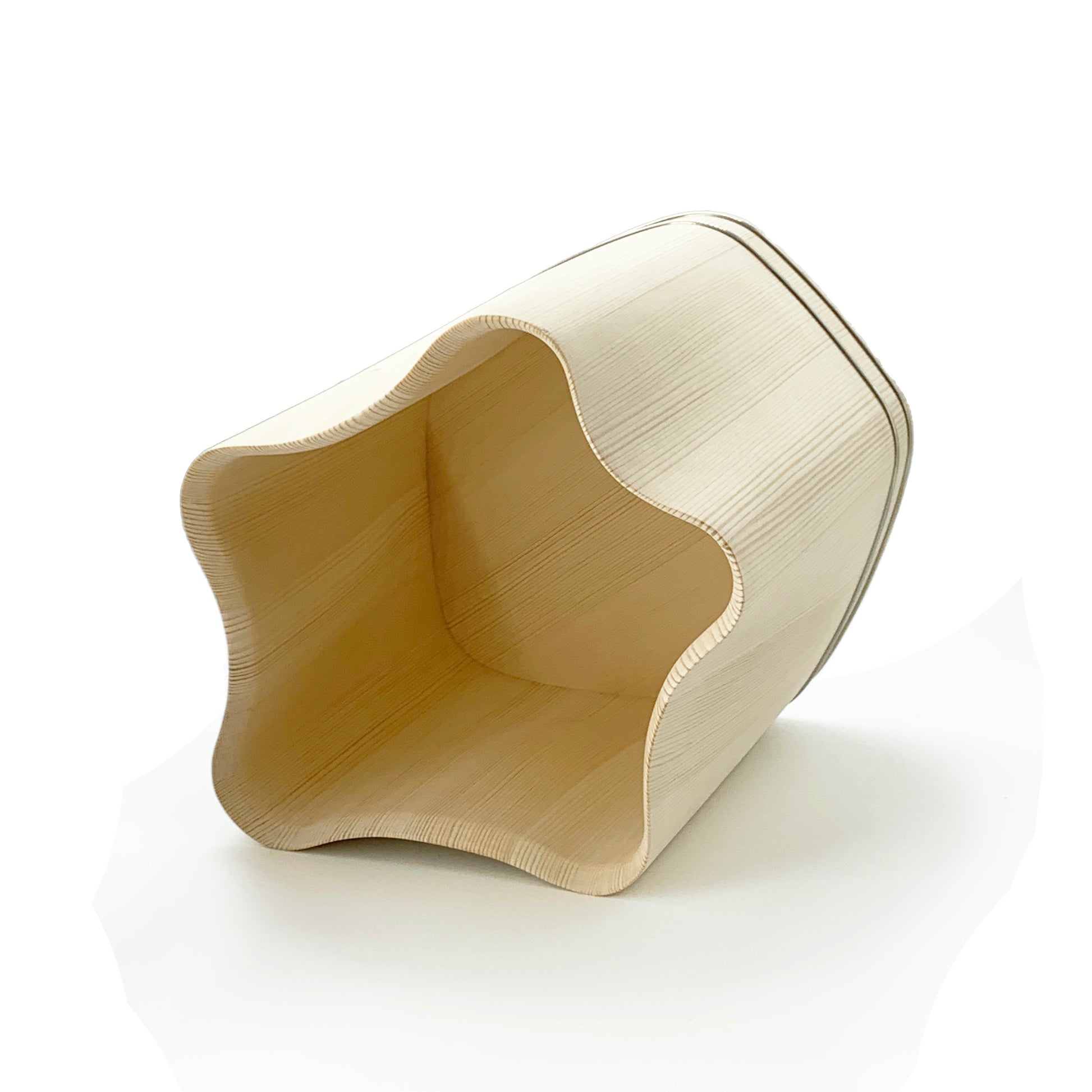
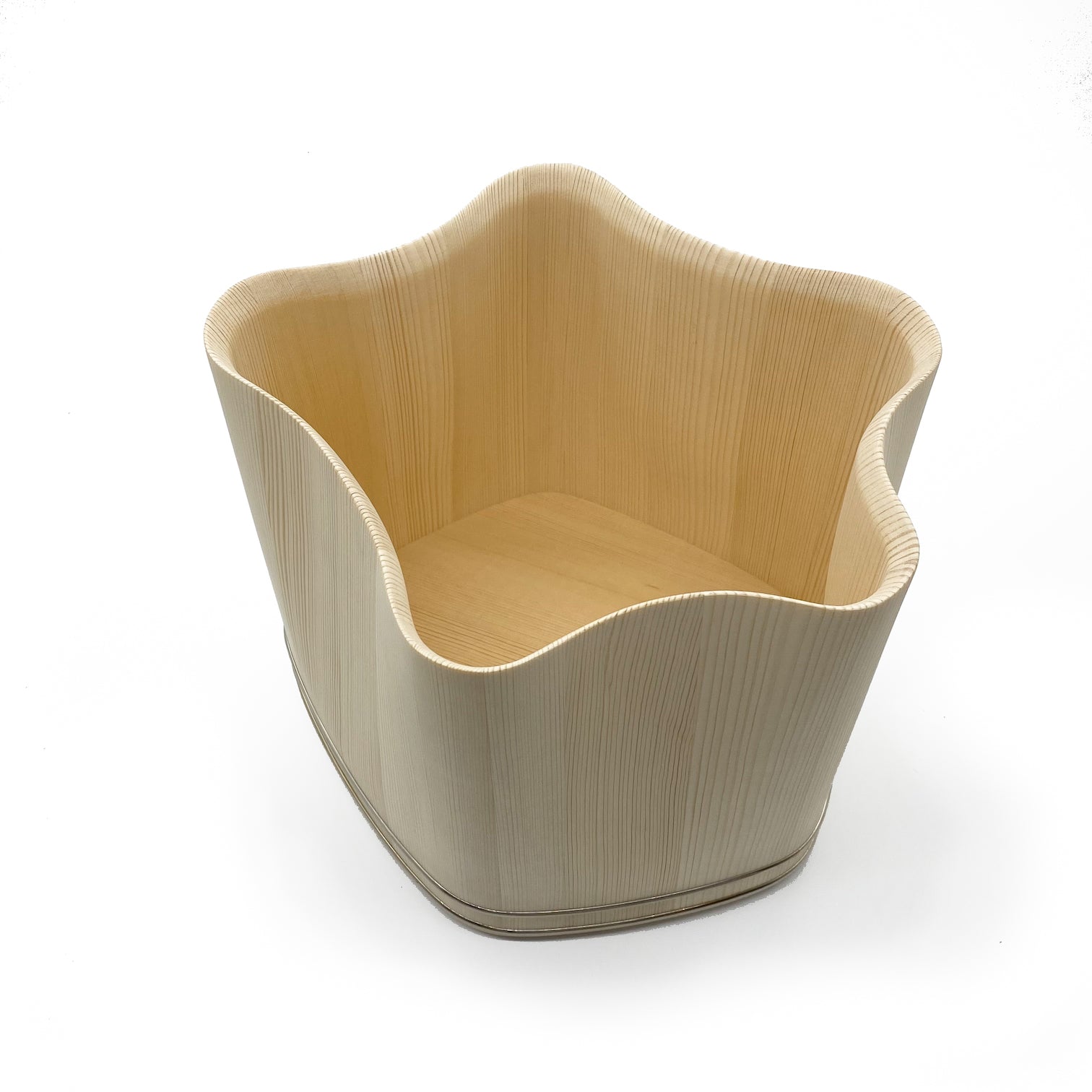
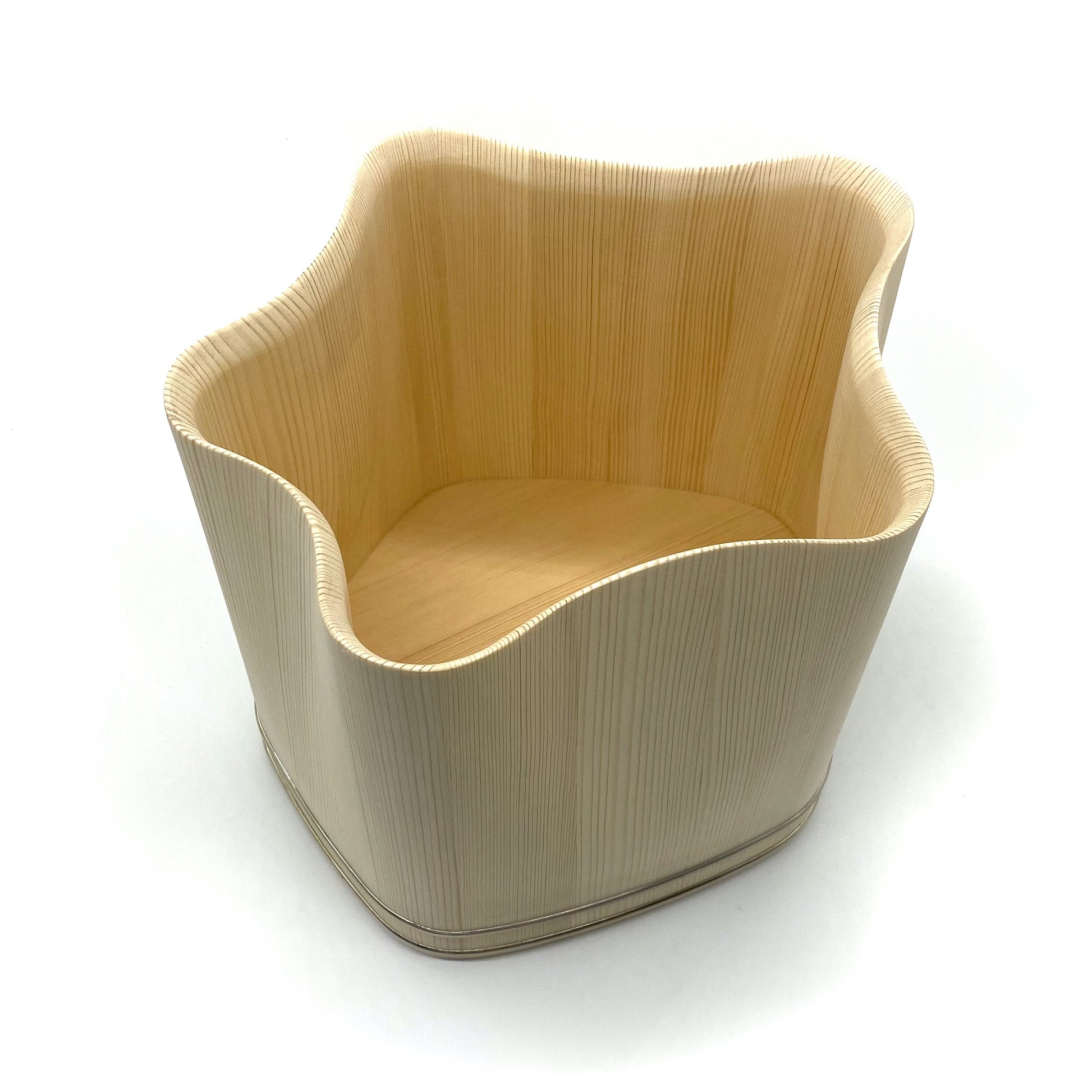
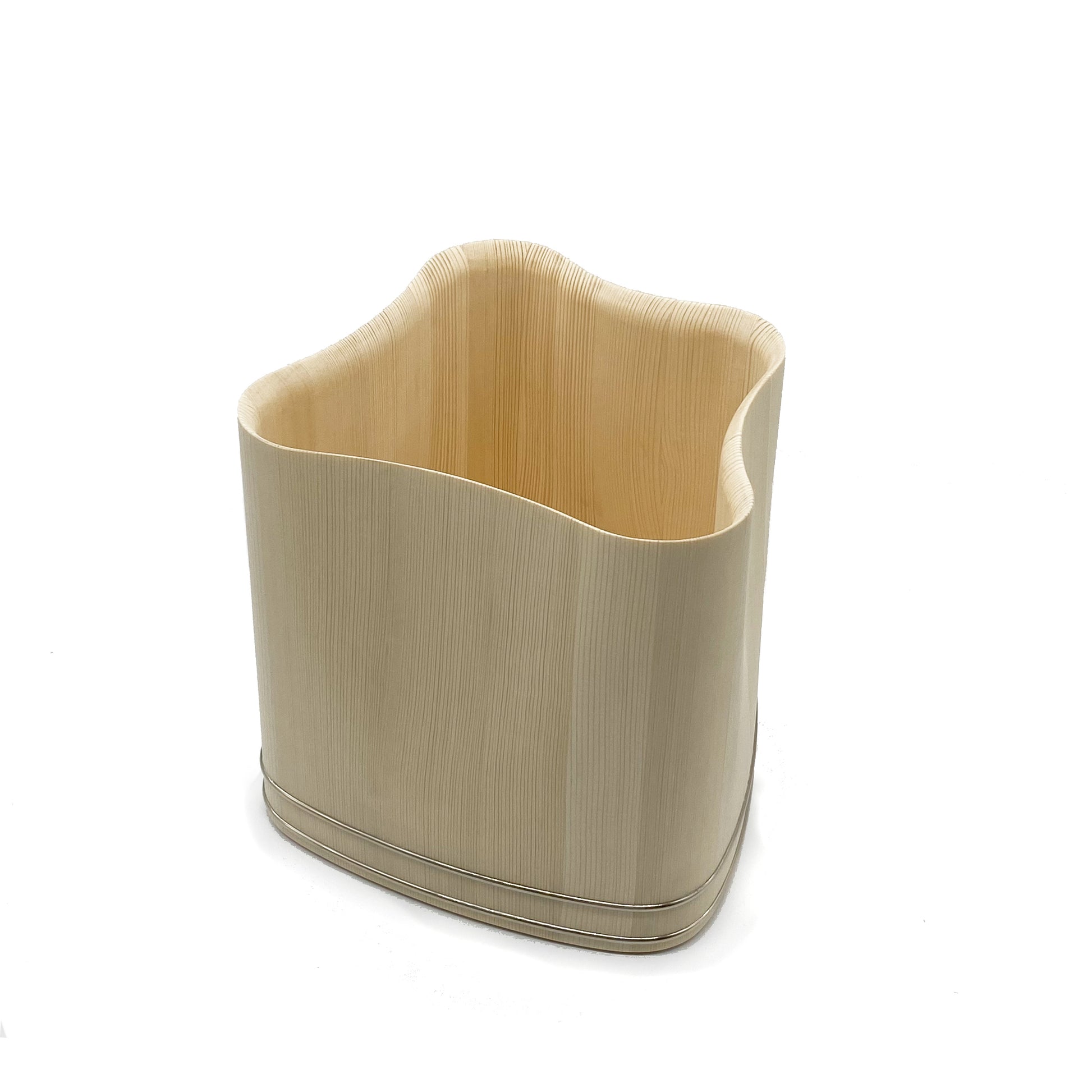
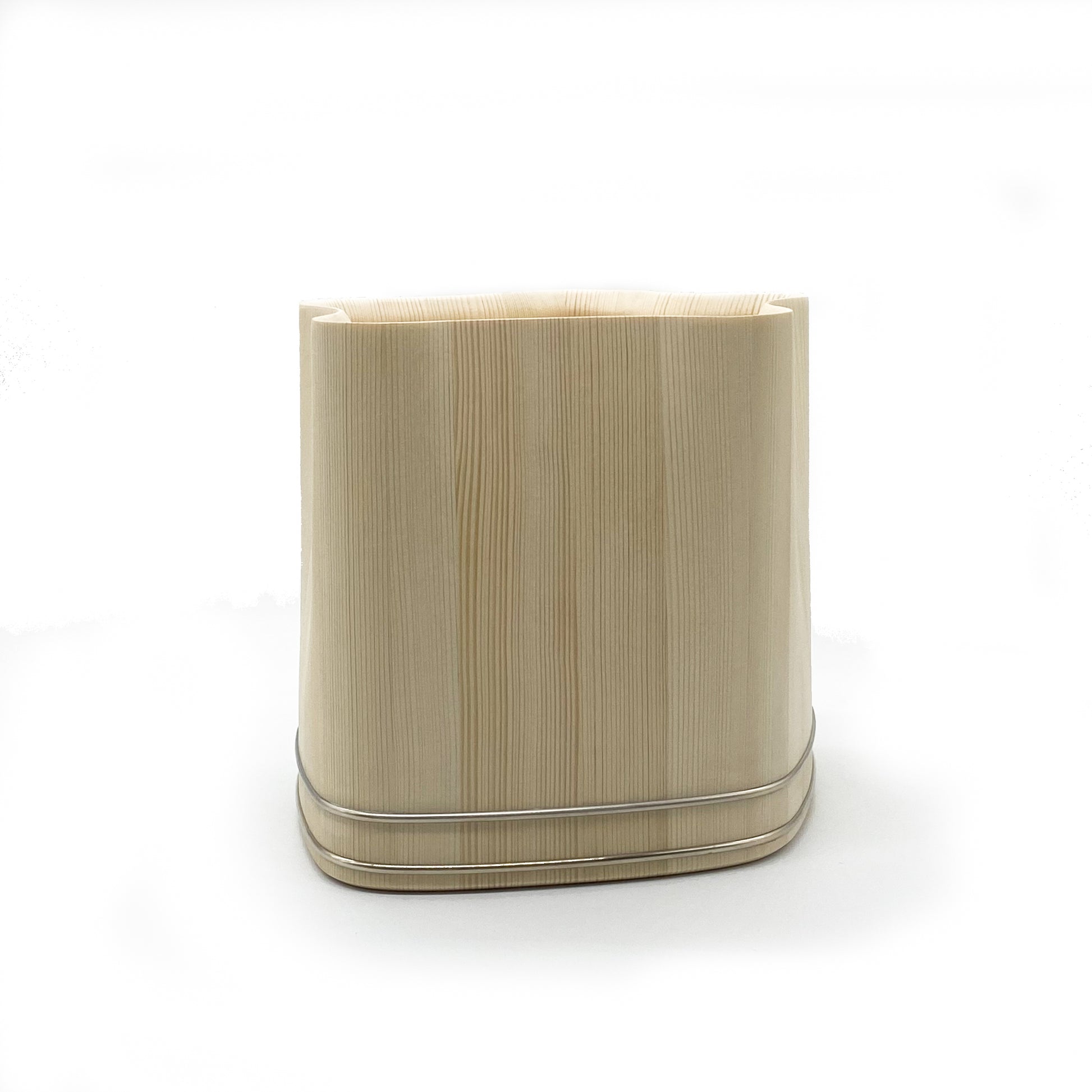
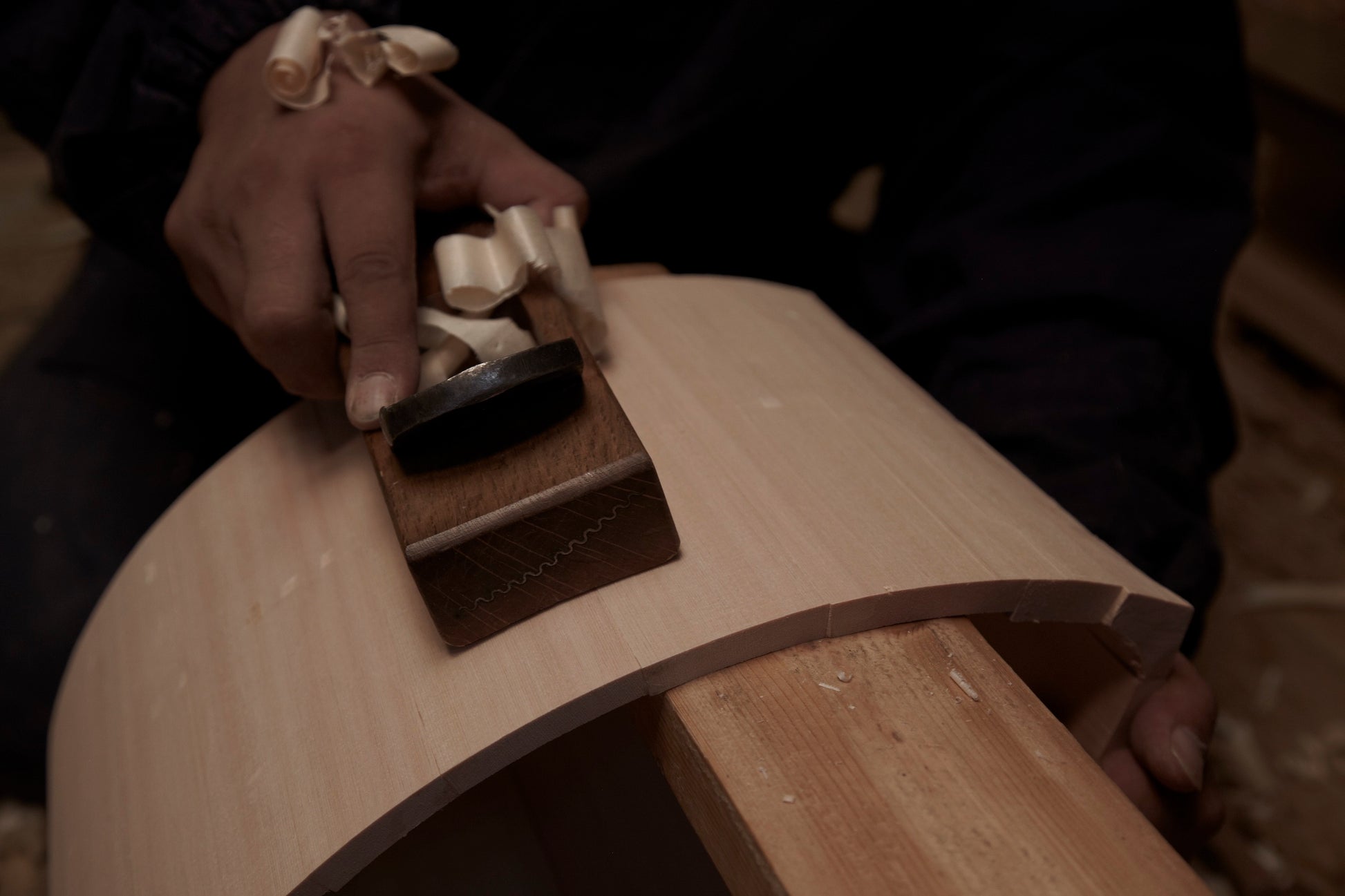
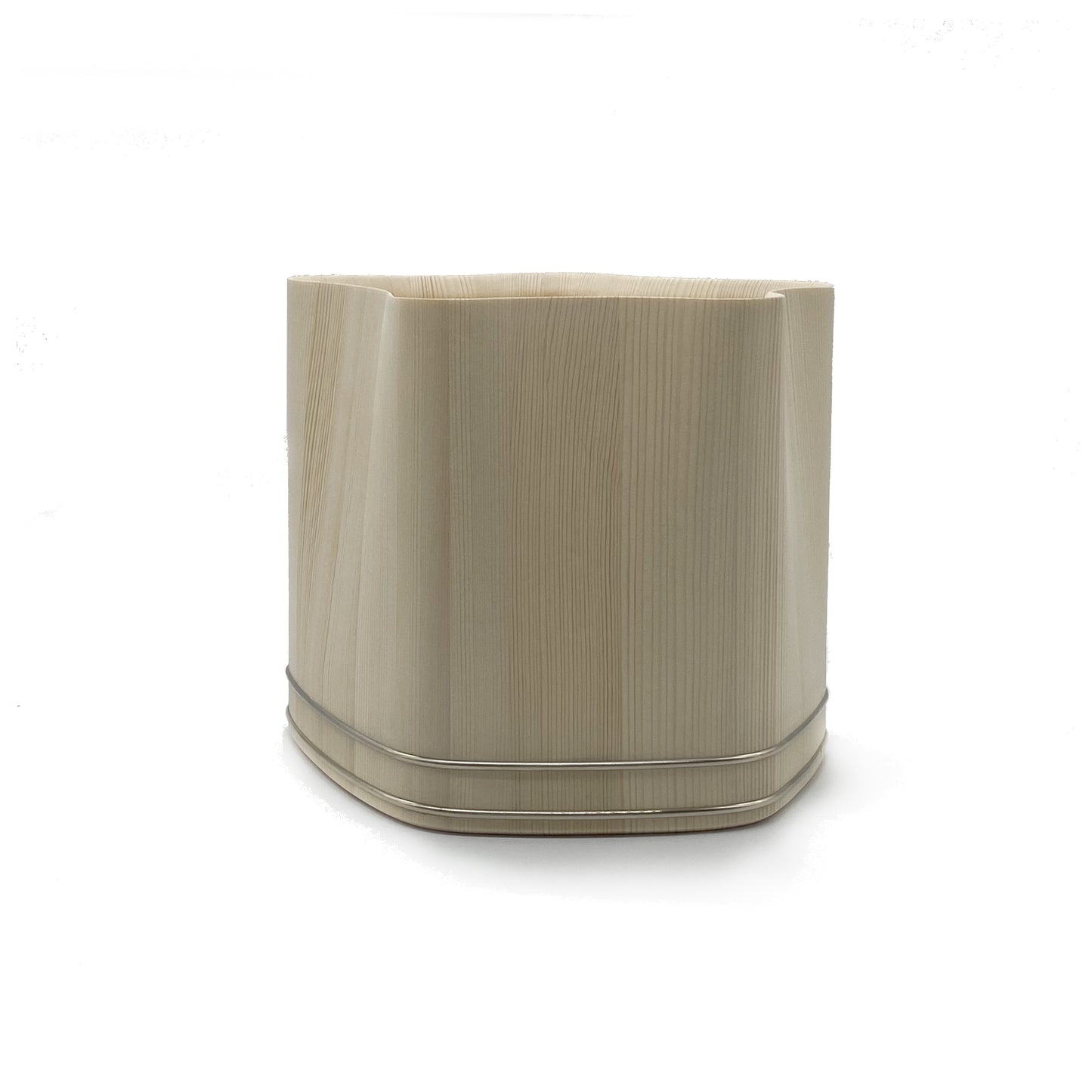
01 Around 15 boards assembled without glue or nails
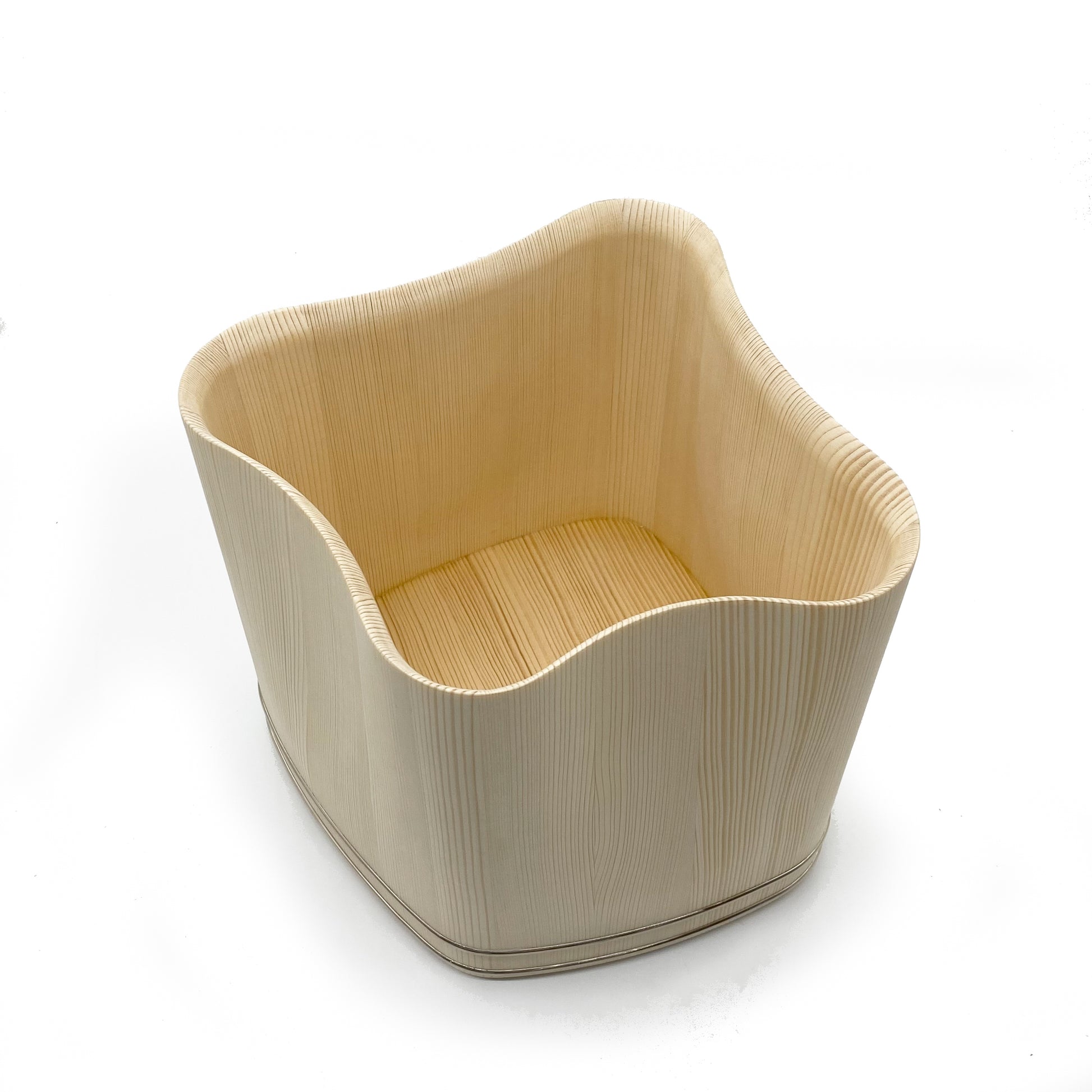
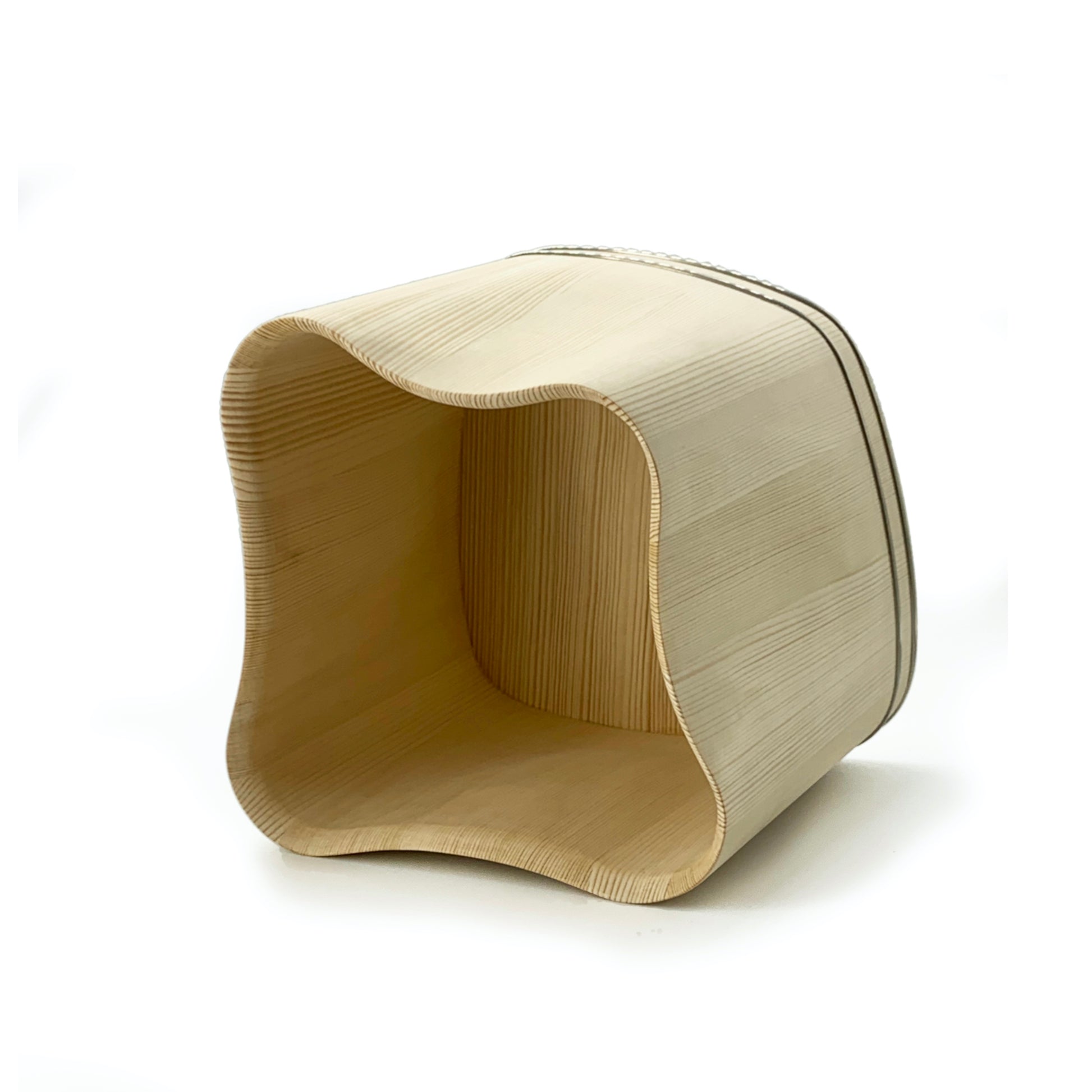
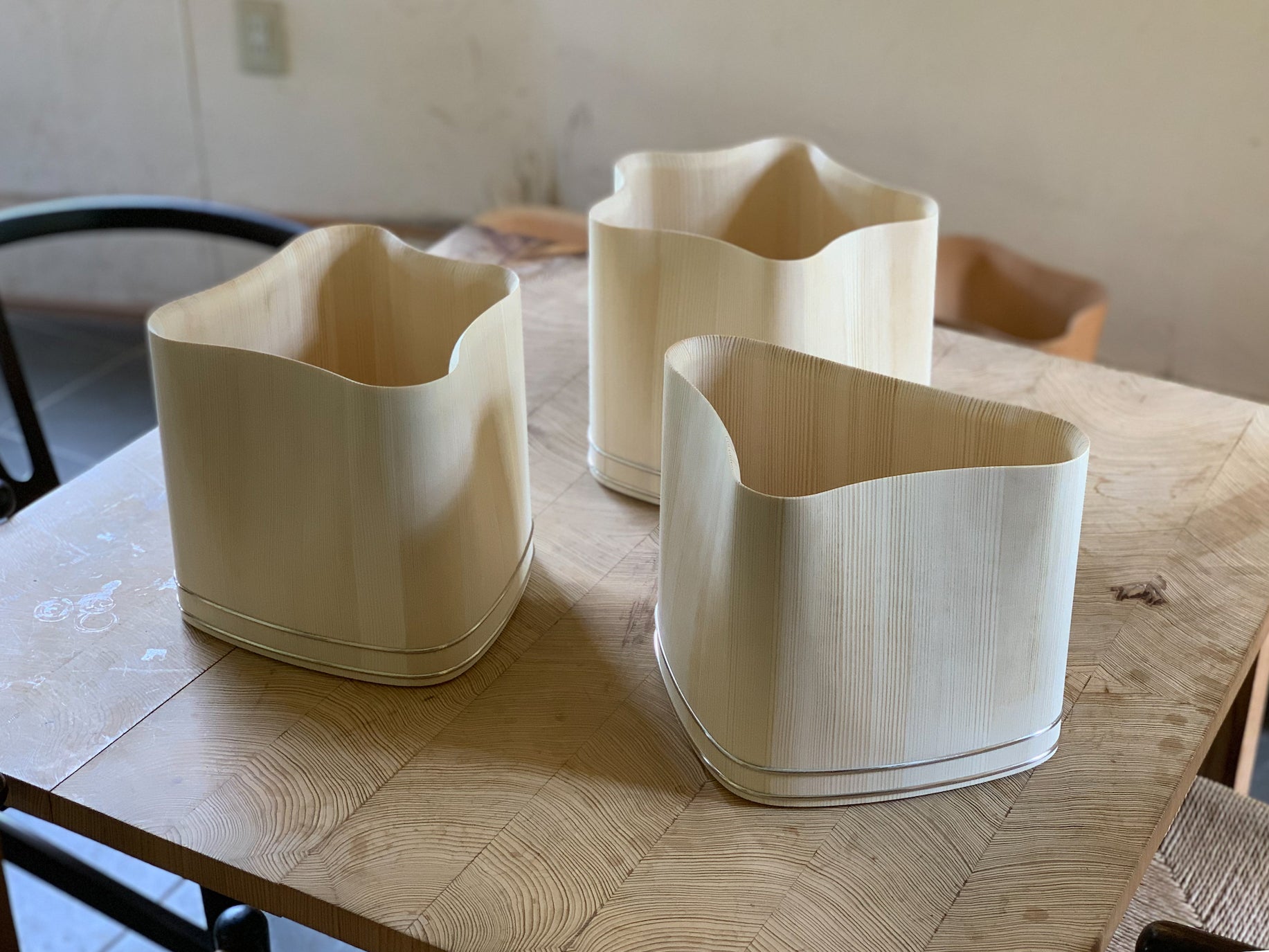
02 Elegant, organic curves born of tradition and innovation
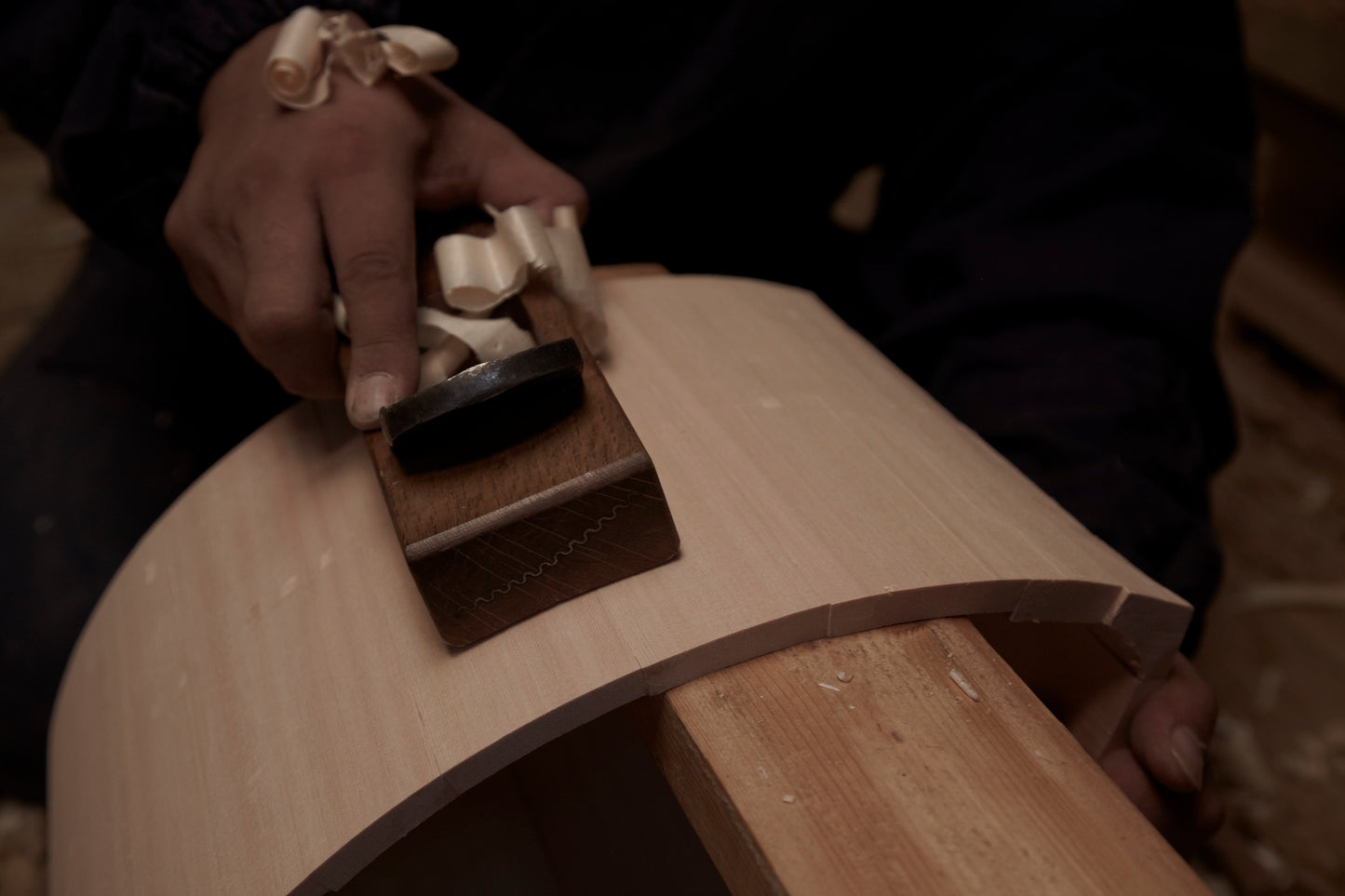
03 Built with a 700-year-old bucket-making technique
Ancient Craft, Modern Design
The craft of making wooden buckets was introduced to Japan from China during the Muromachi period, around 700 years ago. Nakagawa Mokkogei (wood crafts) continues this legacy, creating exquisite unfinished-wood pieces such as sushi tubs and rice containers (ohitsu) using traditional techniques passed down through generations.
The Vision of Shuji Nakagawa
In 2003, Shuji Nakagawa, the third-generation master craftsman, opened his atelier on the shores of Lake Biwa. Since then, he has been redefining Japanese woodwork with designs that blend heritage and modernity. One of his signature works is the Wave champagne cooler — an elegant fusion of form and function. In 2010, another of his coolers was chosen as the official champagne cooler of a world-renowned house, and his work has been collected internationally ever since.
Hand-Assembled Without Glue or Nails
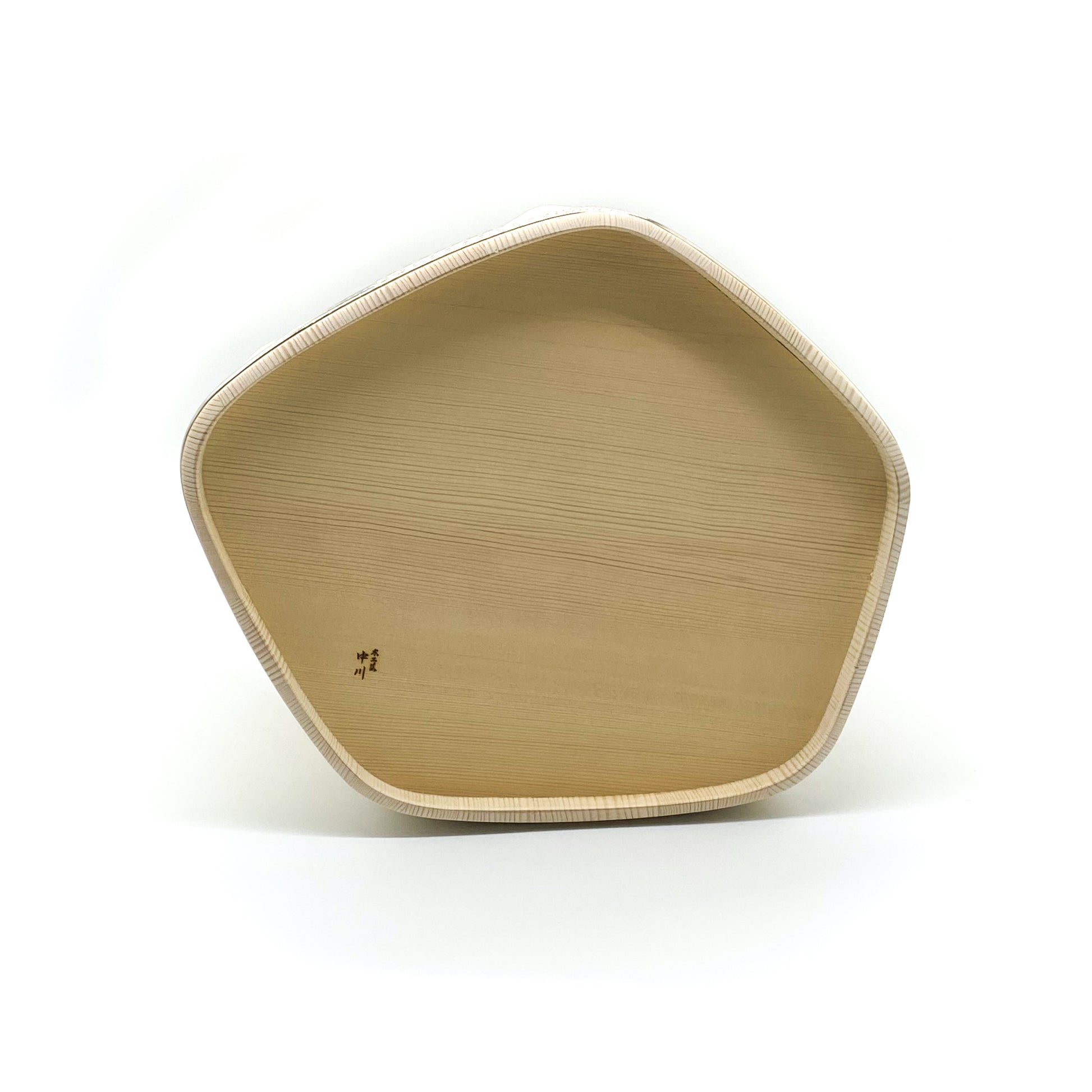
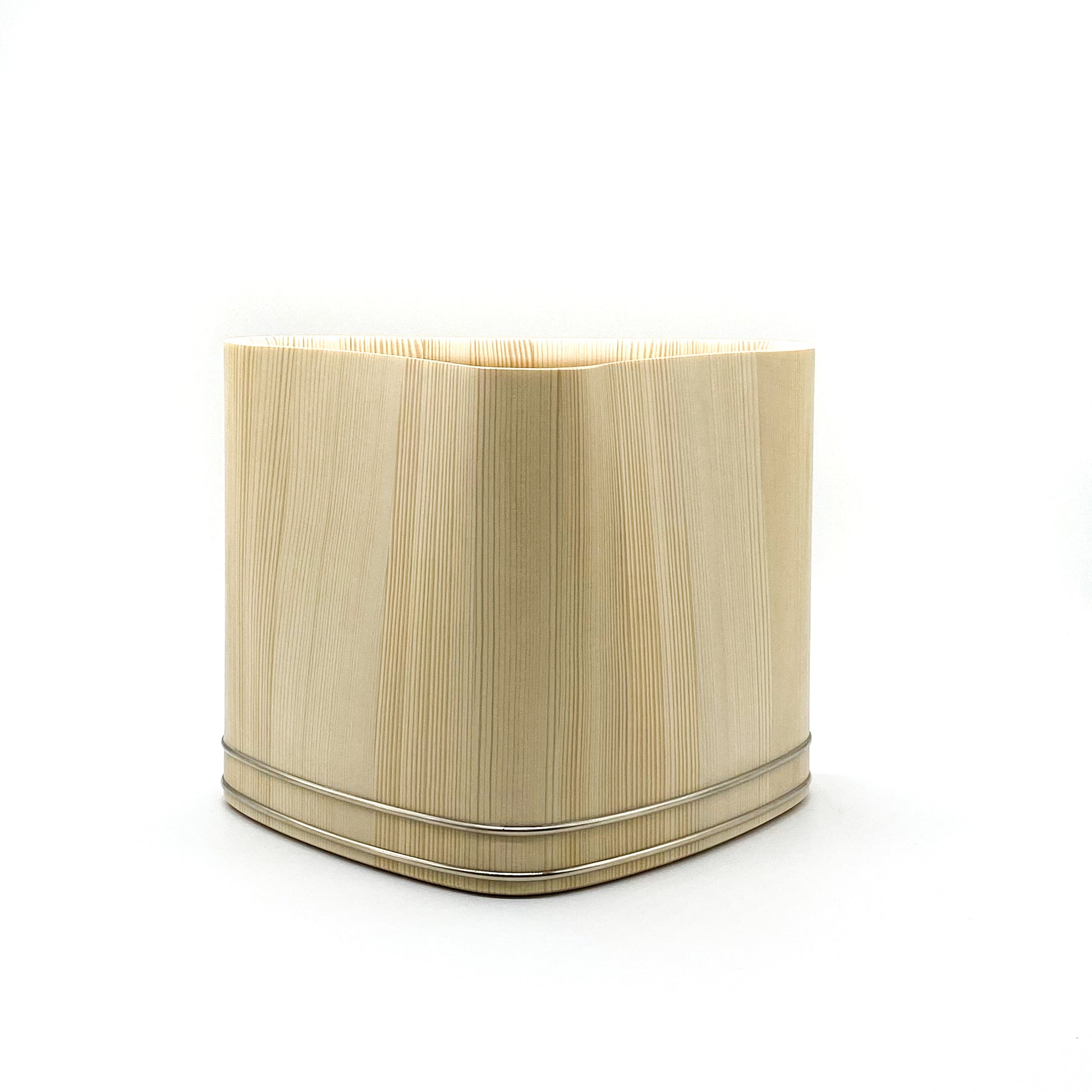
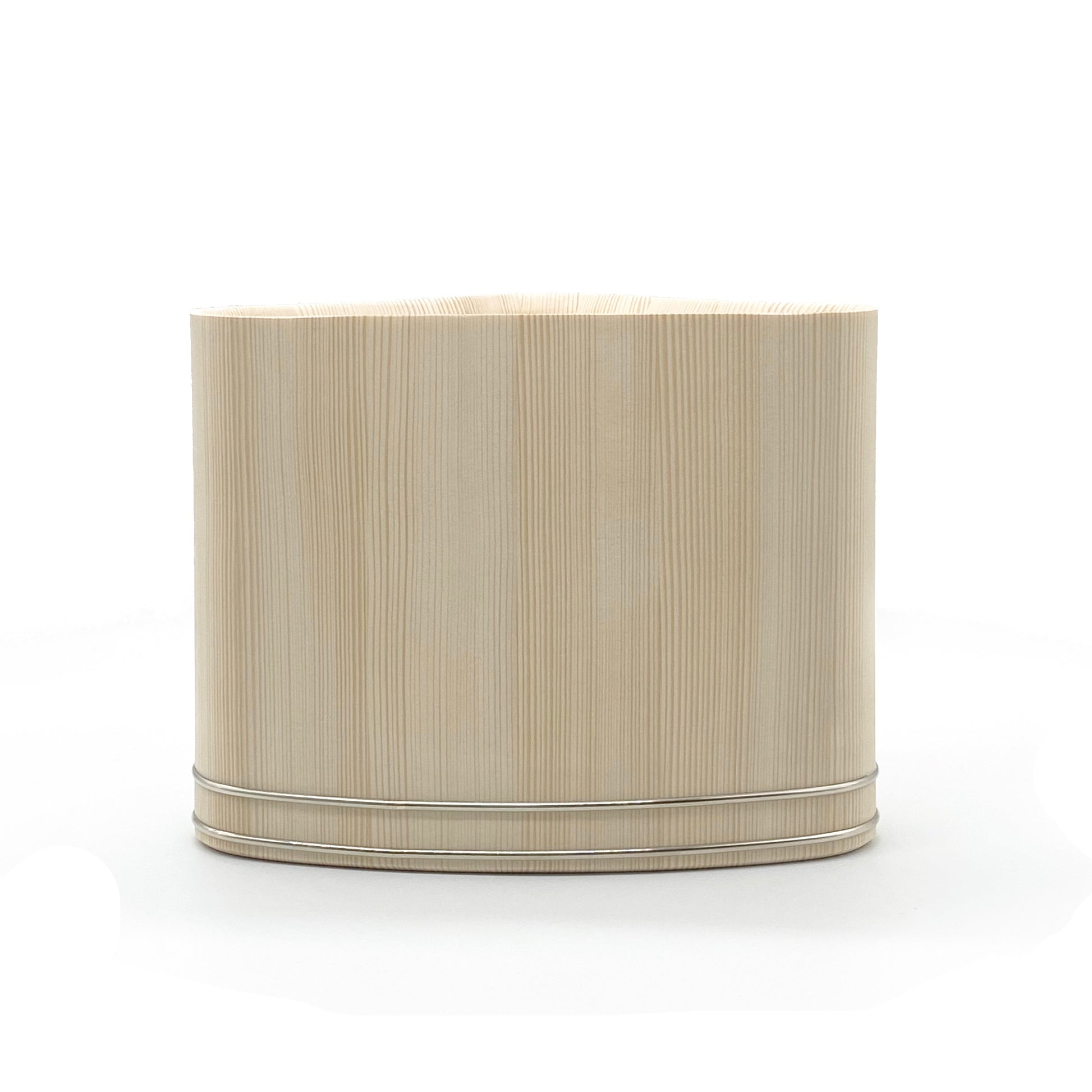
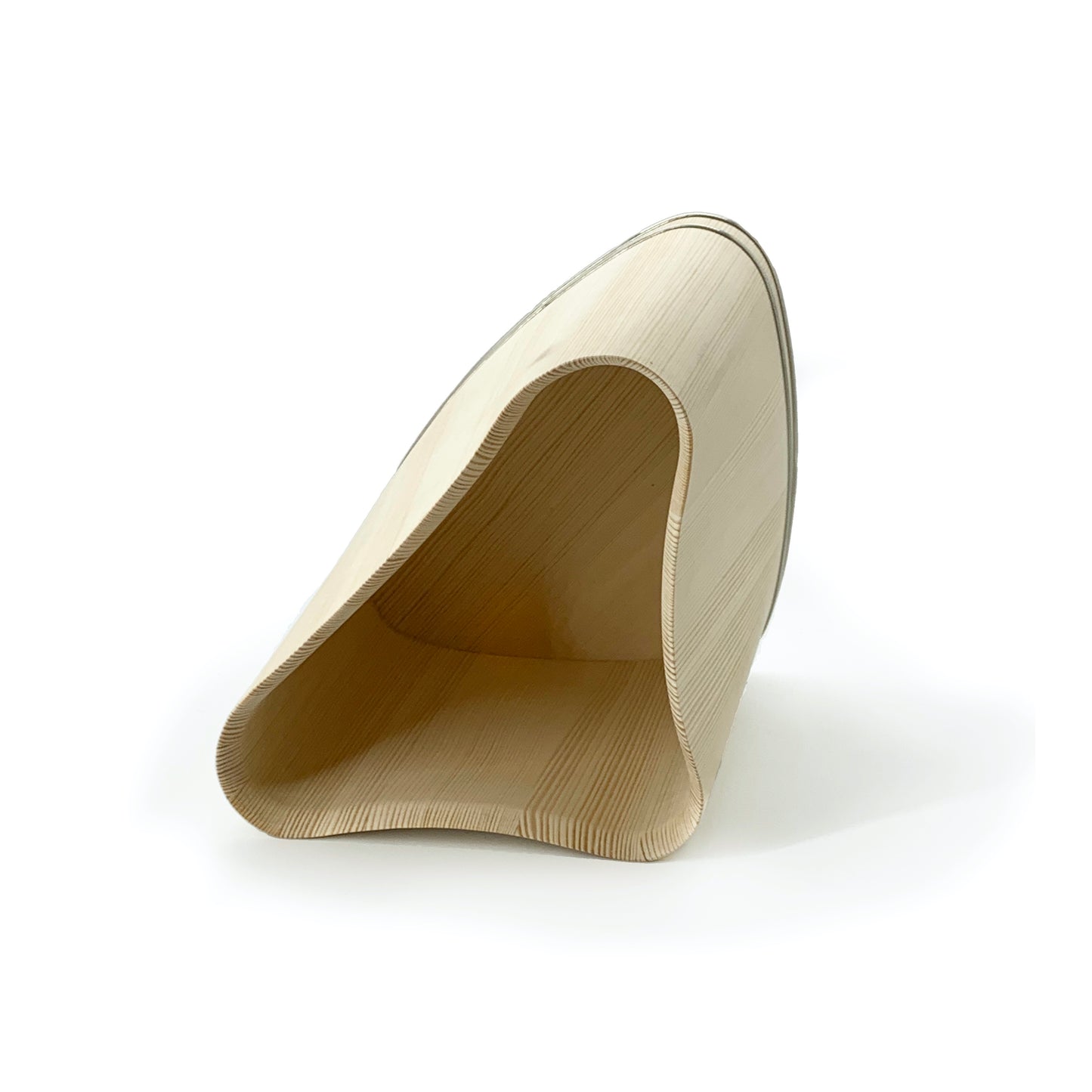
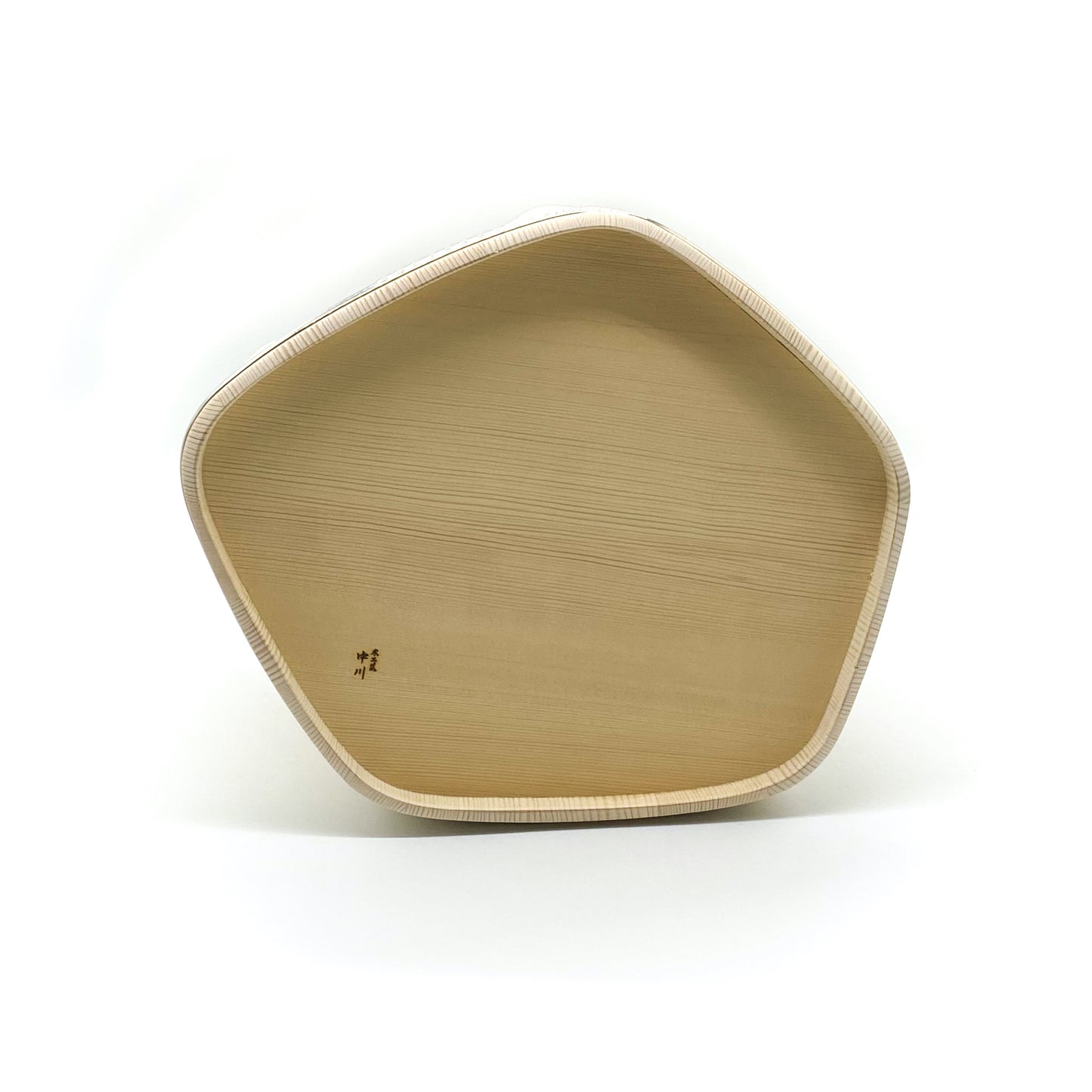
Approximately 15 individual boards are cut, shaved, and precisely joined together — without the use of glue or nails. Each cooler takes two full days to complete. A hoop placed at the bottom serves as a fulcrum: the outward pressure from the base transforms into a tightening force at the top. A distinctive feature of this cooler is the polygonal shape of the hoop.
Structural Beauty Rooted in Geometry
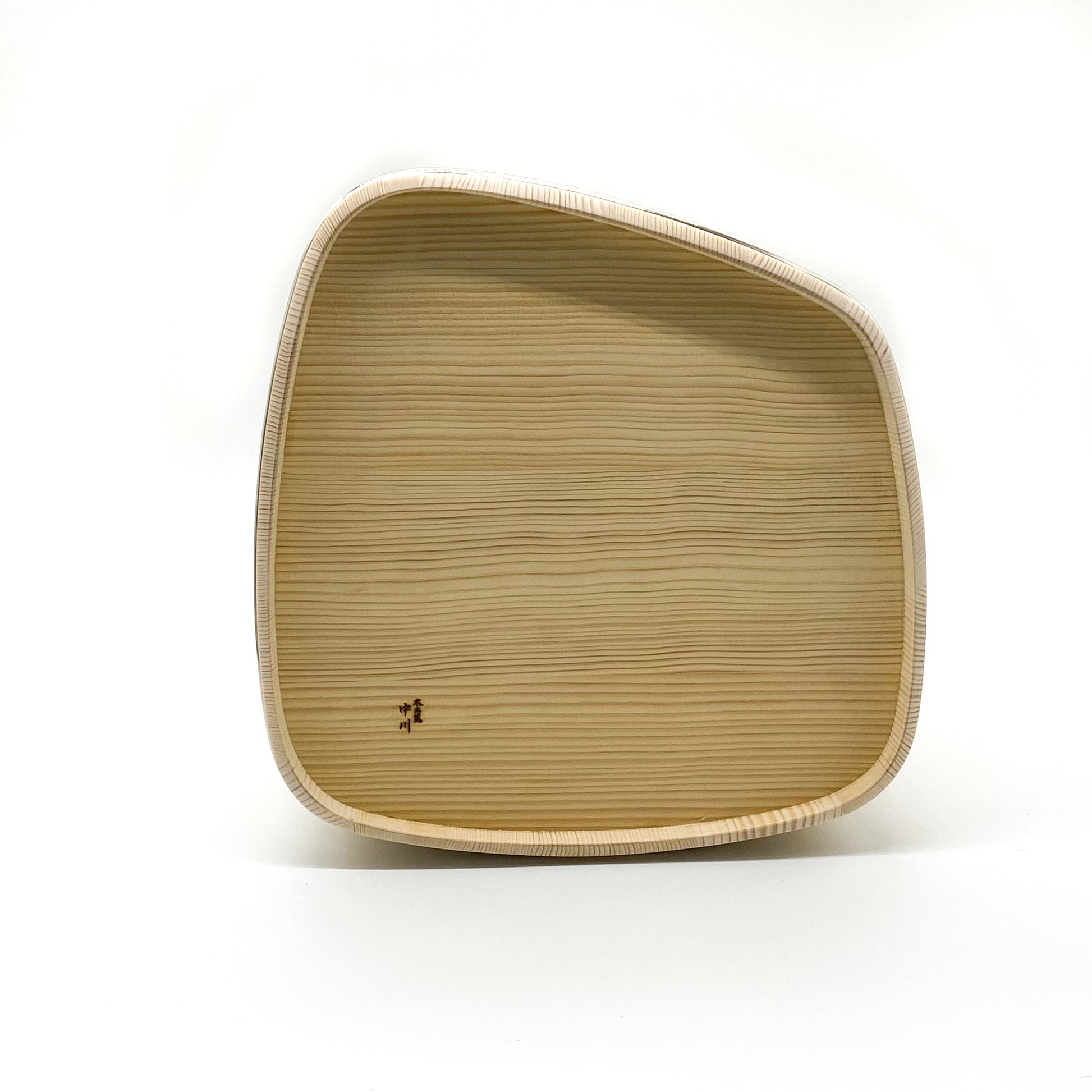
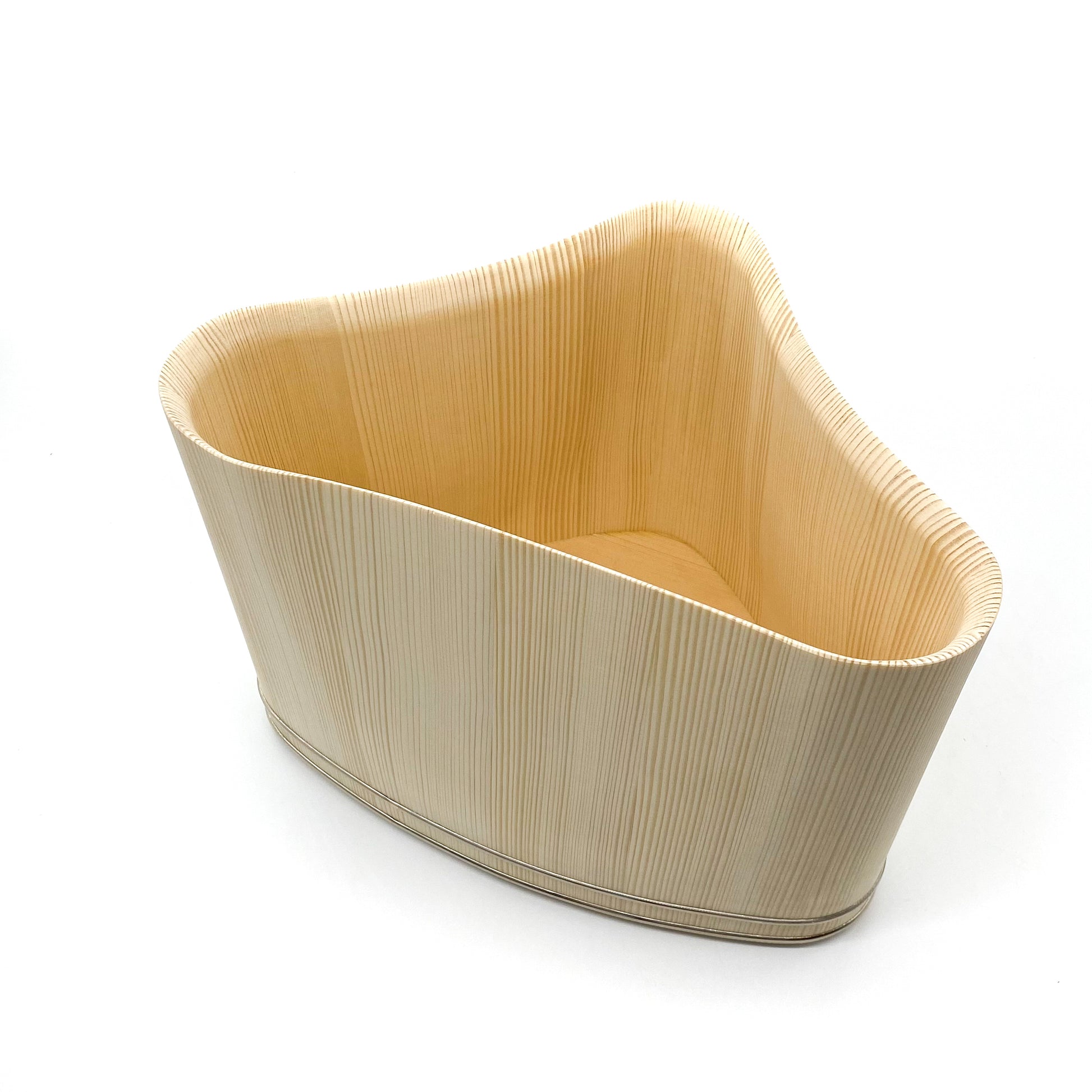
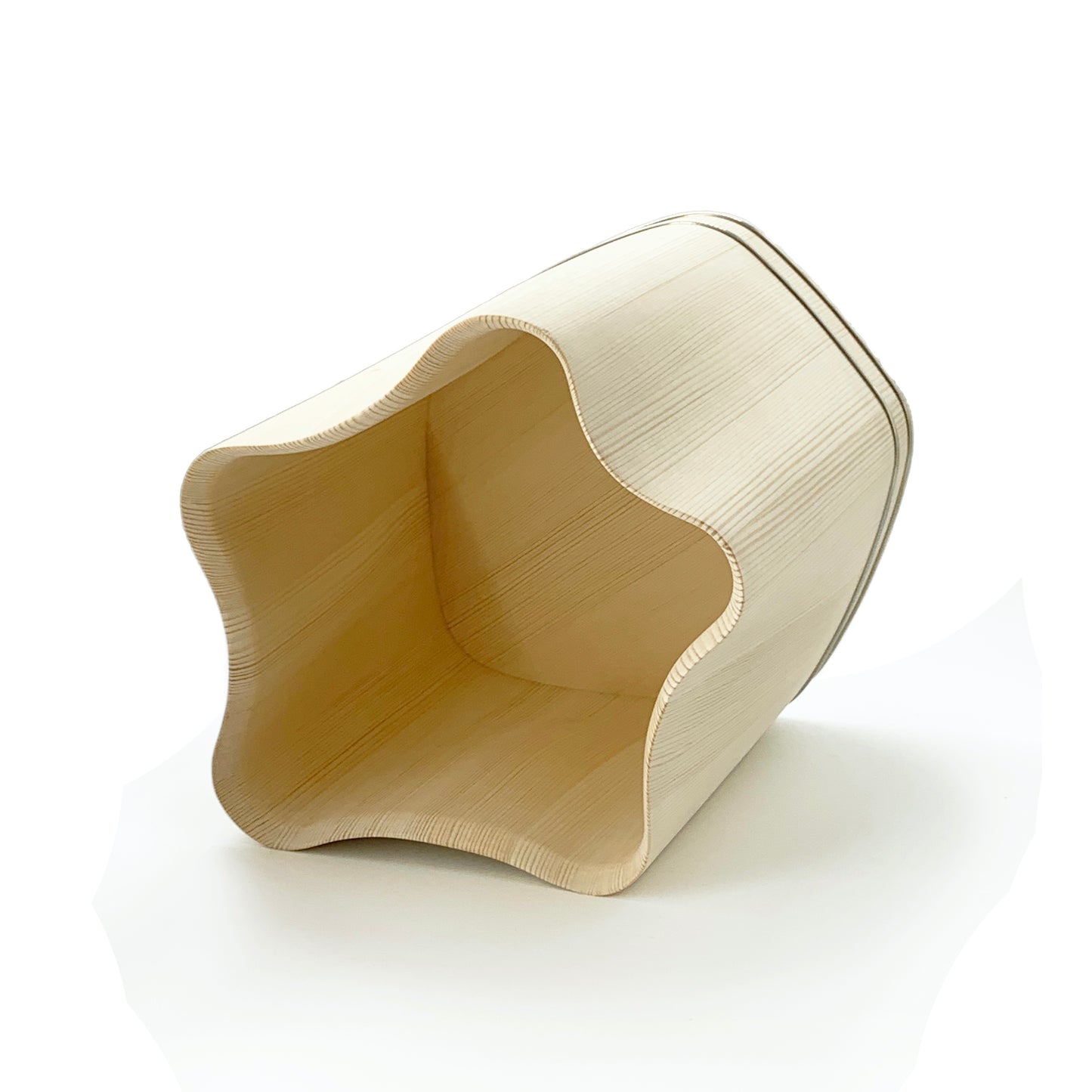
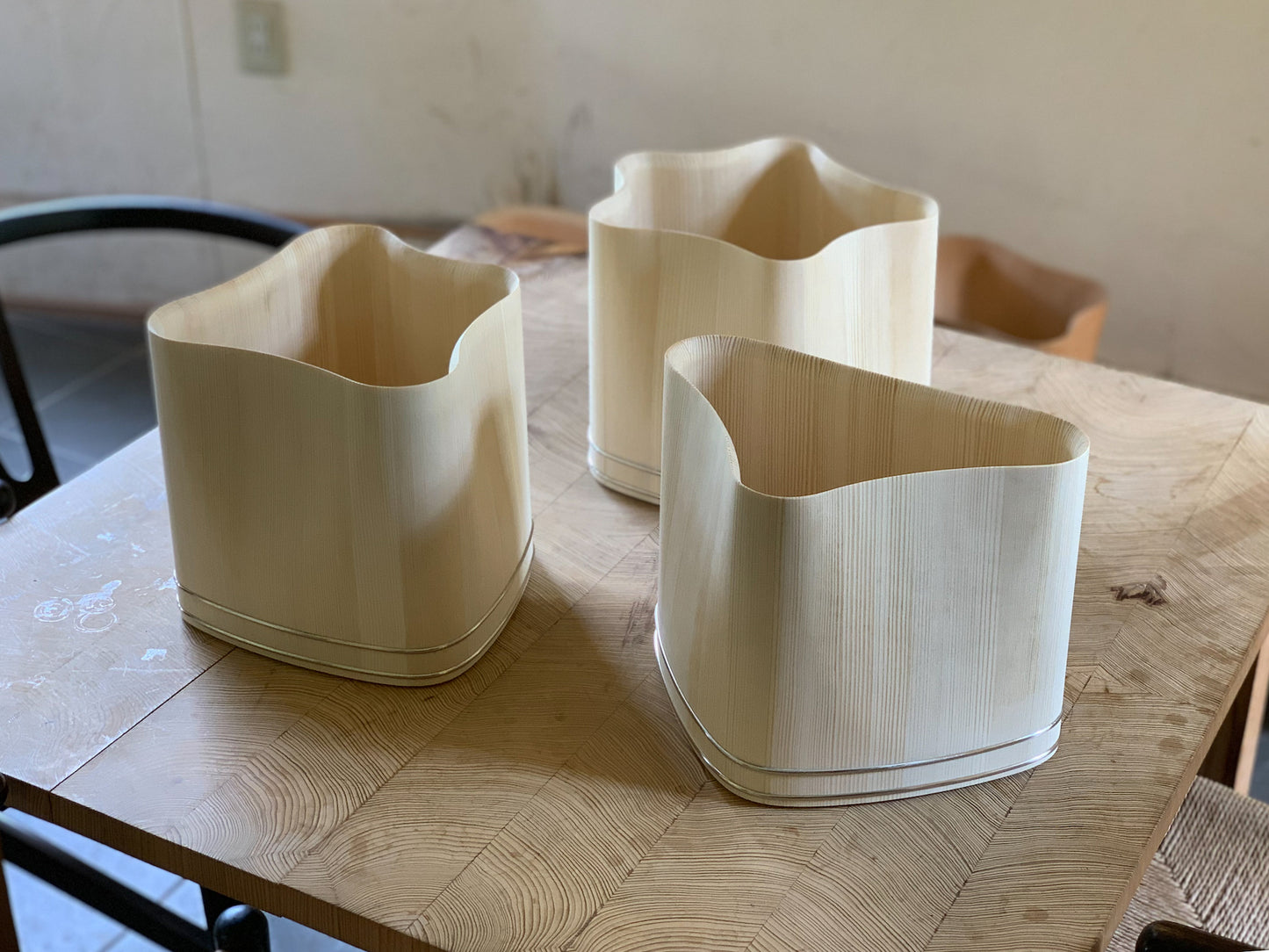
While most wooden buckets are traditionally round — following the principles of arch construction — Wave introduces a unique polygonal structure based on the same architectural logic. A polygon is treated as a set of overlapping circles of varying sizes. By aligning the centers of adjacent circles along a straight line, structural stability is achieved. What may appear to be an intuitive and fluid shape is actually the result of precise calculations and thoughtful engineering.
Insulation Built Into the Wood
There's a functional side to a wooden champagne cooler that's easy to overlook. Wood's thermal conductivity is roughly 1/500th that of iron and about 1/5 to 1/10th that of ceramic or glass — a natural result of its excellent insulating properties. This comes from the hollow cellular structure of wood, made largely of cellulose and filled with pockets of air, which is what gives it such strong heat and cold retention. Unlike metal or glass vessels, condensation rarely forms even when the cooler is filled with ice, so you can set it on the table without worrying about water rings on your tablecloth.
A Vessel That Inspires Imagination
Choose from triangular, square, or pentagonal forms. It's up to you to decide how to use it — whether for champagne or something else entirely. This vessel invites your imagination to redefine its purpose.
"WAVE" series
Specifications
SIZE (Triangle) · W 11.2 in (285 mm) × D 7.1 in (180 mm) × H 9.1 in (232 mm)
SIZE (Square) · W 10.8 in (275 mm) × D 10.0 in (255 mm) × H 9.1 in (232 mm)
SIZE (Pentagon) · W 10.2 in (260 mm) × D 9.4 in (240 mm) × H 9.1 in (232 mm)
MATERIALS · Japanese umbrella pine (Sciadopitys verticillata), nickel silver and brass
Shipping
This product is made to order · Ships within 3 months · Shipping cost included in price
Care
The cooler arrives with a protective finish applied to the wood, which resists water marks and staining and keeps everyday care straightforward. Even so, give it a quick rinse with water before use — this helps prevent water marks from forming.
After use, wash it as you would a ceramic or glass vessel: a soft sponge is all it needs, followed by a rinse with water or warm water. If marks remain, add a little mild neutral detergent to the sponge. Avoid abrasive pads and scouring brushes, which will wear the finish. Bleach, solvents and strong detergents will damage the wood, so please avoid them as well.
Dry it thoroughly before putting it away. Wood stored while still damp will darken over time. Keep the cooler out of direct sunlight and away from heat, as wood that dries out too far can crack. If you will not be using it for a long stretch, wrap it in paper and store it somewhere well ventilated.
Not suitable for dishwashers, microwaves, or ovens.
Note
Each piece is made and finished by hand, so grain and tone vary from cooler to cooler.
Resin may occasionally rise to the surface of the wood. This is a natural property of the timber and does not affect use.
A vessel built this way is made to be repaired rather than replaced — cared for well, it will serve for decades.