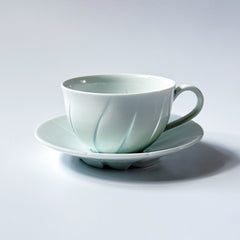

Japanese tea can taste very different depending on how it is prepared, even when you use the same tea. The keys to a delicious cup are the water temperature, how you pour or whisk it, the amount of tea, and how the tea is stored. Get these right, and you can bring out the natural sweetness and umami that make Japanese tea so enjoyable.
In this guide, we show you how to enjoy Japanese tea, including matcha and sencha, at its best at home: what sets sencha and matcha apart, how to bring out the best flavor in each, how to store tea so it stays fresh, and simple tips for common questions, such as what to do if your tea tastes bitter and how to make cold-brewed tea.
Contents
What's the Difference Between Matcha and Sencha?
Sencha and matcha are both representative Japanese green teas, but they differ significantly in how the tea leaves are grown, processed, and prepared.
Matcha

Matcha is made from tea leaves that are shaded from direct sunlight before harvest. After harvesting, the leaves are steamed and dried without being rolled. The stems and veins are then removed to produce tencha, which is ground into a fine powder using a stone mill or similar method. Rather than being steeped and strained like loose-leaf tea, the powder is whisked directly into water, so the whole tea leaf is consumed.
Matcha also has a strong cultural connection to the Japanese tea ceremony, where it is traditionally prepared and enjoyed with wagashi, or Japanese sweets. Today, matcha is also enjoyed more casually in homes, cafés, and drinks such as matcha lattes, but it has historically occupied a somewhat different place from sencha, which is more commonly brewed as an everyday tea in Japan.
Sencha

Sencha is one of the most widely enjoyed types of green tea in Japan and is commonly brewed at home for everyday drinking. It is made by steaming freshly picked tea leaves to stop oxidation, then rolling and drying them. To prepare it, hot water is poured over the leaves and the brewed infusion is enjoyed.
Sencha can also vary depending on how long the leaves are steamed. Light-steamed sencha, known as asamushi, tends to have a clearer, lighter character, while deep-steamed sencha, or fukamushi, has finer leaves, a deeper color, and a fuller body. Medium-steamed sencha, or chumushi, falls somewhere in between.
One of the interesting things about Japanese tea is that even teas made from the same tea plant can develop very different characteristics depending on how they are grown and processed. Hojicha, for example, is made by roasting teas such as sencha or bancha, giving it its distinctive toasted aroma. Genmaicha combines green tea with roasted rice, while gyokuro is grown under shade before harvest, giving it a different character from sencha. In this way, cultivar, growing method, steaming, roasting, and other processing techniques all contribute to the wide variety found in Japanese tea.
How to Brew Japanese Green Tea (Sencha)

Brewing sencha at home is simple. The main things to pay attention to are the amount of tea, the water temperature, and the steeping time.
What you need:
- a teapot (a Japanese kyusu with a built-in strainer is ideal)
- 8 g of loose-leaf sencha (roughly 4 teaspoons)
- 180–200 ml (6–7 fl oz) of hot water
Notes:
- Unlike matcha, sencha is steeped in water and only the brewed tea is drunk, so the tea leaves need to be strained out when pouring. A kyusu with a built-in strainer makes this easy.
- For the sencha offered by Susumuya Chaten on By Emotion International, 8 g of tea leaves is a recommended starting point. The ideal amount may vary depending on the type of tea and personal preference, so please follow the instructions provided with your tea and adjust the amount to suit your taste.
-
Add the tea leaves.
Place the sencha leaves in the teapot. -
Add hot water.
Pour in water cooled to around 70–80°C (158–176°F). -
Let it steep.
Leave the tea to steep for about 1 minute. Deep-steamed sencha (fukamushi) has finer leaves and may steep more quickly, so you may want to pour a little sooner. -
Pour the tea.
If serving two or more cups, pour a little into each cup in turn rather than filling one cup at a time. This helps keep the strength of the tea even between cups. -
Pour to the last drop.
Empty the teapot completely so the leaves do not continue steeping. The final drops are often the most concentrated in flavor. -
Enjoy a second infusion.
The same tea leaves can be brewed again. After the first infusion, leave the lid slightly open to let the heat escape and prevent the leaves from continuing to steam inside the pot. For the second infusion, use slightly hotter water and a shorter steeping time, since the leaves have already opened.
For a better cup: Gently gather the tea leaves to one side of the teapot, then pour the hot water into the open space on the other side rather than directly onto the leaves. This helps keep the leaves from moving too much and allows them to open gradually, which can help reduce excessive bitterness and astringency. If the tea tastes too bitter or astringent, try using slightly cooler water or shortening the steeping time.
The steps above follow the brewing recommendations for Susumuya Chaten's sencha, available on By Emotion International.
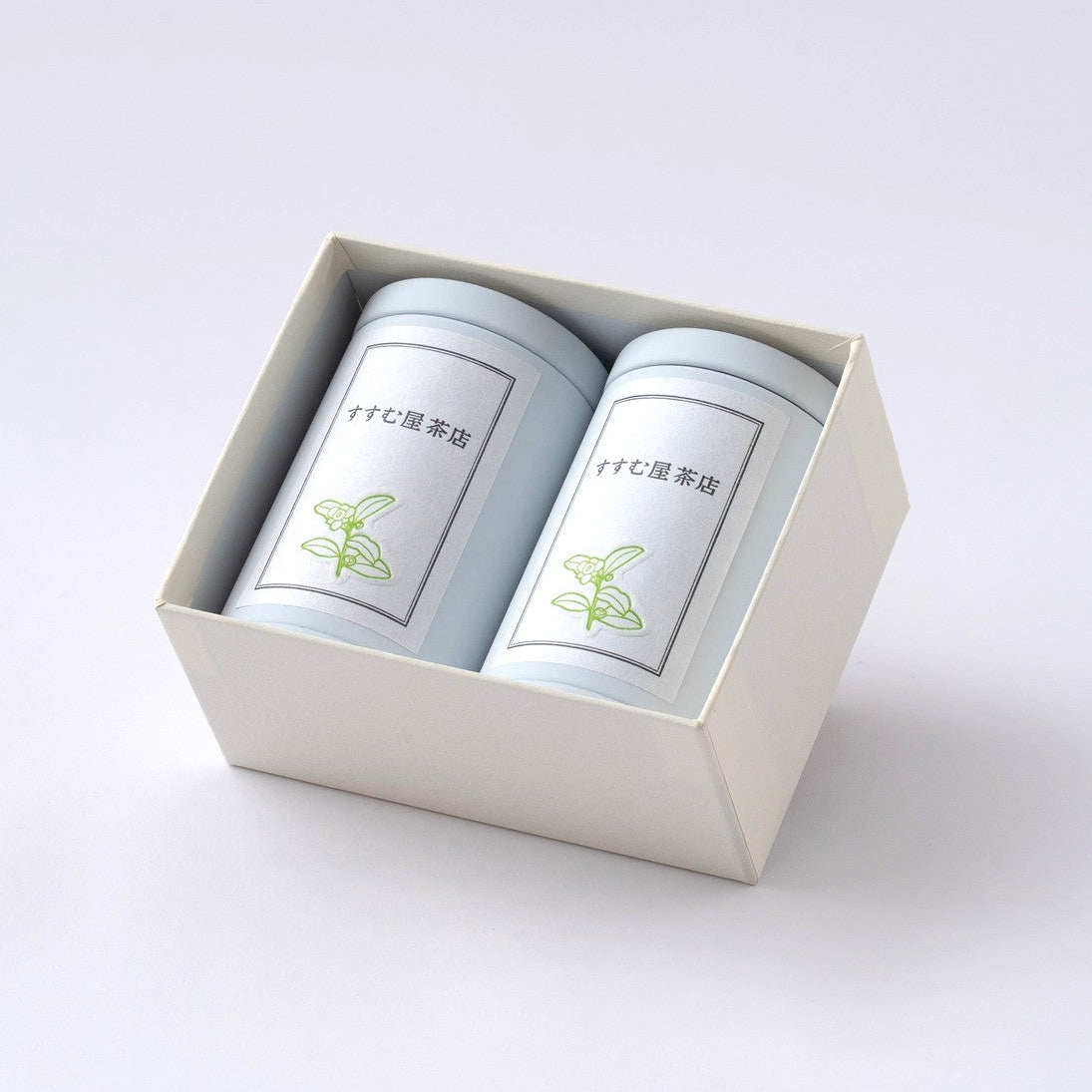
signature senchas from SUSUMUYA CHATEN
Japanese Sencha Tasting Set
View this product →
How to Make Matcha at Home

Making matcha at home is simple. You only need matcha, hot water, and a whisk.
What you need:
- matcha
- a matcha bowl or small bowl
- a whisk (a chasen is ideal)
- a small scoop or teaspoon
-
Add the matcha.
Place about 2 g of matcha into the bowl. -
Add hot water.
Pour in about 70–80 ml (2.4–2.7 fl oz) of water cooled to around 70–80°C (158–176°F). -
Whisk.
Whisk briskly in a zigzag motion until the matcha is evenly mixed and a fine foam forms on the surface. -
Enjoy right away.
Matcha is best enjoyed freshly whisked.
For a better bowl: Sifting the matcha beforehand helps prevent clumps. Warming the bowl and whisk with hot water before preparing the matcha can also make whisking easier.
The steps above follow the preparation method recommended for Susumuya Chaten's ceremonial grade matcha, available on By Emotion International.
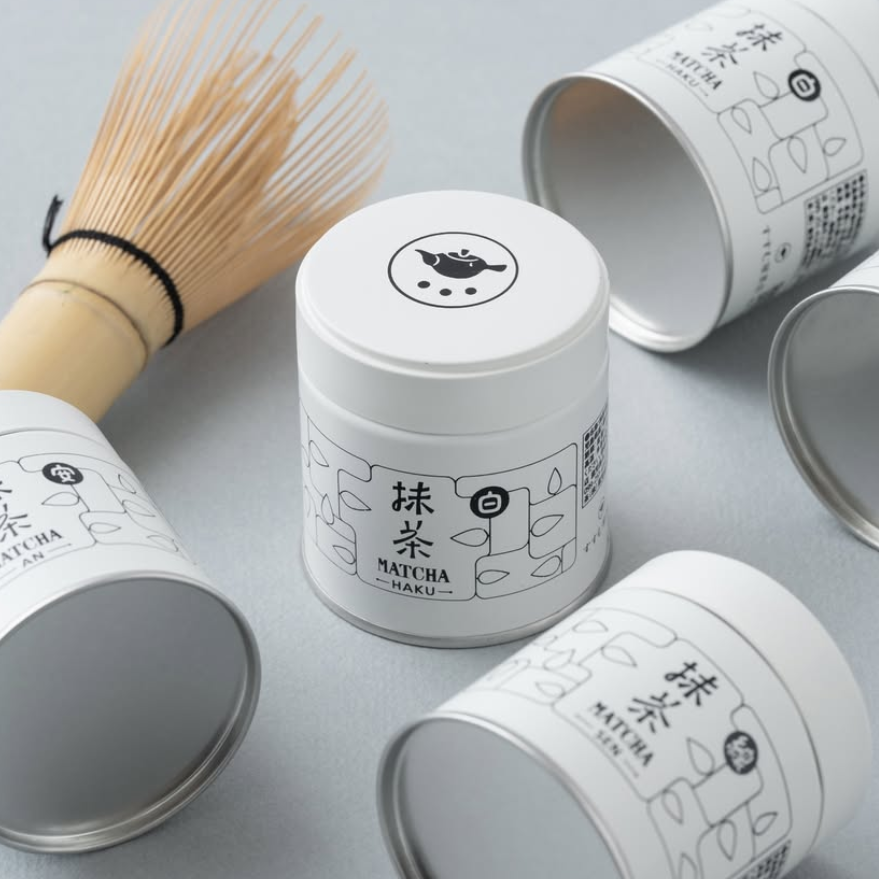
Ceremonial grade matcha from Kagoshima
Ceremonial Grade Matcha (HAKU · SEN · AN)
View this product →
How to Store Japanese Tea and Matcha

Japanese tea is delicate, and how you store it shapes how it tastes. Keep tea leaves and matcha away from heat and humidity, and store them in an airtight container to protect them from oxidation. Tea readily absorbs surrounding odors, so keep it away from strongly scented foods and products, and close the container tightly after each use. Enjoy it before the best-before date shown on the package.
So what kind of container can actually protect tea from humidity and air?

In Japan, one traditional answer is the chabako, a wooden tea chest long used to store and ship tea leaves. A chabako is made of cedar and lined with tin, with the seams sealed so that the chest shuts out the outside air once the lid is closed. This construction helps protect tea from moisture, insects and oxidation, and some tea shops in Japan still keep their tea in chabako today. Some chests, such as Maeda Kobo's ranji chabako, are also decorated with reproductions of the labels once pasted on chests of Japanese tea exported overseas, making them a design piece as well as a storage tool.
If you would like to bring a tea chest, or a more compact tea caddy, into your own kitchen, take a look at the options below.

Traditional storage that keeps tea fresh
Japanese Wooden Storage Box
View this product →

Designed to age beautifully over time
Susumu Tea Caddy & Scoop Set
View this product →
Helpful Tips for Brewing Japanese Tea
What water temperature is best for Japanese green tea?
For sencha, around 70–80°C (158–176°F) is a good starting point. Boiling water can bring out bitterness and astringency quickly, while slightly cooler water helps bring forward sweetness and umami. For matcha, water at around 70–80°C (158–176°F) also works well.
If you do not have a thermometer, pouring freshly boiled water into another vessel once or twice will help cool it before brewing.
The type of water can also change the taste. Most tap water in Japan is soft, which tends to bring out the umami of Japanese tea, while harder water can give the same tea a crisper, lighter character. Trying both and tasting the difference for yourself can be part of the fun.
Why does my green tea taste bitter?
Water that is too hot or a steeping time that is too long are two common causes. For sencha, about one minute is a good starting point. If the tea tastes too bitter or astringent, try using slightly cooler water or shortening the steeping time.
Can I steep the same leaves more than once?
Yes. Sencha leaves can usually be brewed again for a second infusion. After the first pour, empty the teapot completely and leave the lid slightly open to let the heat escape.
For the second infusion, use slightly hotter water and a shorter steeping time, as the leaves have already opened.
Can I make cold-brewed Japanese green tea?
Yes. Sencha can be cold-brewed by steeping the leaves in cold water for several hours.
If you are using tea bags, simply place them in the water and remove them once the tea has reached your preferred strength. For loose-leaf tea, a bottle or pitcher with a built-in strainer is especially convenient because it keeps the leaves separate when pouring. If you are using a regular bottle or container, simply pour the tea through a tea strainer before serving.
As a starting point, try about 5 g of tea leaves with 500 ml of cold water and refrigerate for 5–6 hours. The ideal amount of tea and brewing time can vary depending on the tea, so follow the instructions provided with your tea and adjust to taste.
Find Your Own Cup of Japanese Tea
Brewing Japanese tea well comes down to a few simple habits: water cooled to 70–80°C, a steep of about a minute, and pouring to the last drop for sencha; sifting and a brisk zigzag whisk for matcha; and an airtight container to keep both fresh. From there, the enjoyment lies in comparing teas and finding the cup that feels like yours. The right teapot, bowl and caddy make that everyday ritual easier and more enjoyable. To find teapots, matcha tools and teas for your own table, visit our Japanese Tea & Teaware collection.

Find products here
Tea & Teaware
View Collection →
Products ship worldwide, with no additional shipping fees.
Most orders are shipped from Japan within 1–2 weeks of your order being placed. After shipment, please allow approximately 7 to 30 days for delivery, depending on your location and local customs processing times.
If you have any concerns about how an item will be handled, please don't hesitate to contact us at info@sogoo.co.jp before placing your order.