-
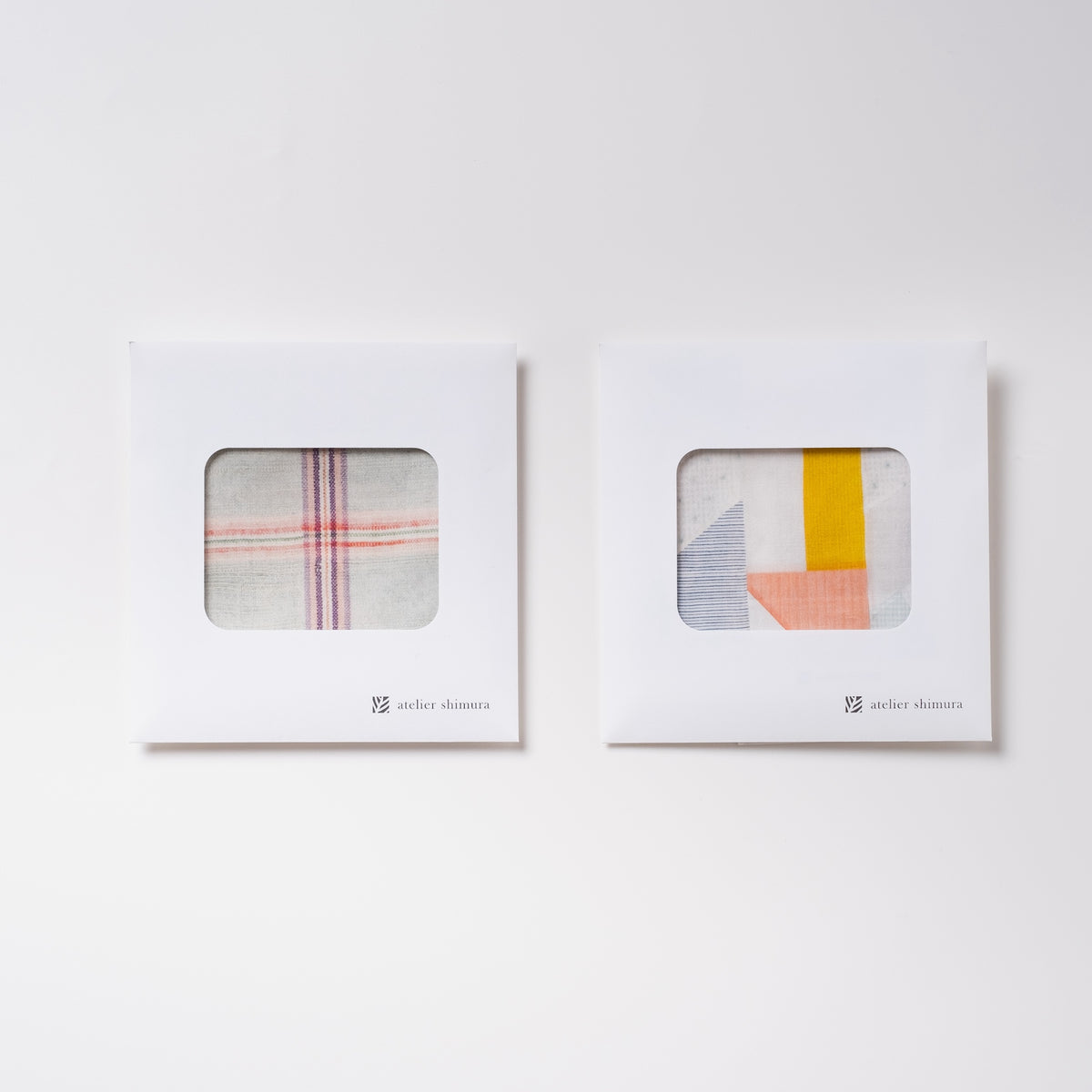
 Fukumi Handkerchief / Furo
 -
 Fukumi Handkerchief / Furo
 -
 Fukumi Handkerchief / Hanamuguri
 -
 Fukumi Handkerchief / Hanamuguri
 -
 Fukumi Handkerchief / Hanamatsuri - Suzushi
 -
 Fukumi Handkerchief / Hanamatsuri - Suzushi
 -
 Fukumi Handkerchief / Nadeshiko
 -
 Fukumi Handkerchief / Nadeshiko
 -
 Fukumi Handkerchief / Ai Notan Koshi
 -
 Fukumi Handkerchief / Ai Notan Koshi
 -
 Fukumi Handkerchief / Shu Tatejima - Seiyo Akane
 -
 Fukumi Handkerchief / Shu Tatejima - Seiyo Akane
 -
 Fukumi Handkerchief / Akane Tatejima
 -
 Fukumi Handkerchief / Akane Tatejima
 -
 Fukumi Handkerchief / Tsuribune
 -
 Fukumi Handkerchief / Tsuribune
 -
 Fukumi Handkerchief / Miwarabi
 -
 Fukumi Handkerchief / Miwarabi
 -
 Fukumi Handkerchief / Moegi Tatejima
 -
 Fukumi Handkerchief / Moegi Tatejima
 -
 Fukumi Handkerchief


Atelier Shimura Fukumi Handkerchief
Fukumi Handkerchief
Couldn't load pickup availability
Atelier Shimura · Kogire handkerchief · Five patterns
Kogire — fabric scraps brought back to life
Small fabric scraps (kogire), woven and preserved over the years by Fukumi Shimura — the spiritual root of atelier shimura — have been revived as everyday handkerchiefs using advanced Japanese printing technology. Slightly larger than a standard handkerchief, each piece can be worn as a neck scarf or used as an interior accent cloth.
Fūro — Wind and Dew
Responding to the voices of cherished fabric scraps pleading to be made into something, the artist's hands moved as if in daily dialogue with the cloth. The time spent stitching and pasting culminated in a single kimono connecting over one hundred pieces — a textile that resonates with deep affection for remnants and the quiet joy of handwork.
Hanamuguri — Flower Diving
The summer seasonal term Hanamuguri describes the act of diving deep into a flower — playing innocently inside summer blooms like peonies and roses. This textile is filled with that same joy, as if one is wrapped in the dense, vibrant life force of flowers.
Hanamatsuri — Suzushi (Flower Festival)
Hanamatsuri is the festival celebrating the birth of Shakyamuni Buddha, named for the ritual of pouring sweet tea over a birth statue in a hall adorned with flowers. This textile reflects a peaceful, color-rich festival scene — pure prayers and the joy of welcoming spring.
Nadeshiko — Dianthus
Characterized by its delicate, fringed petals, the Nadeshiko is one of the Seven Flowers of Autumn, loved in Japan since the Man'yō era (8th century). Also known as "Tokonatsu" in the Heian period and appearing in The Tale of Genji, it carries deep literary resonance. This textile breathes with a delicate Japanese aesthetic — quietly dignified, never overstated.
Ai Nōtan Kōshi — Indigo Gradient Check
Indigo is expressed here across infinite gradations — from deep, clear blue to faint, glowing light. The delicate cross-grid that emerges from the gradient creates a world that is tranquil yet fantastical, like a mirror reflecting the ever-shifting life of indigo.
Shu Tatejima — Seiyō Akane (Vermilion Stripe)
A deep, burning vermilion drawn from Seiyō akane — Western madder (Rubia tinctorum) — forms the ground of this design, marked by bold vertical stripes. The order of the stripes holds a dignified tension, while the madder of distant lands lends a vivid flourish of life. This textile pulses quietly with the red of the madder root — composed on the surface, with a hidden passion beneath.
Akane Tatejima — Madder Stripe
Fine vertical stripes are set in neat succession over the gentle vermilion of Japanese madder (nihon akane). Delicate in appearance, the design still evokes the earnest life of a plant rooting itself deep in the earth. Its subtle, orange-tinged tones carry a character found only in Japan's native plants — a world that is modest, reserved, and full of calm.
Tsuribune — Fishing Boat
Purple and green threads cross softly, scattered with tiny cross-shaped kasuri (ikat) marks. The pattern evokes the silhouette of a small boat floating on the water — a moment where nature and human life are quietly bound together. The soft blur characteristic of kasuri carries a sense of drifting, creating a tranquil world full of poetry.
Miwarabi — Young Child
A light check in which pale yellow-green and soft pink cross one another. Reflecting the nature of the Ryukyu Islands (Okinawa), it holds the pure, innocent radiance of a young child. The clear kasuri of the plant-dyed original captures the gentle light of the southern islands, unfolding like a half-remembered folktale.
Moegi Tatejima — Spring Green Stripe
Upright stripes of purple and pale blue rise from a ground of moegi — the fresh yellow-green of new shoots. The design plays out the rhythm of young leaves swaying in the breeze, conveying the joy of plants bursting into bud. Clear gradations unique to plant dyes resonate with one another, creating a pure, lively world filled with fresh spring green.

meet the artisans
atelier shimura
Read the brand story →
Specifications
Size: approx. 19.7 × 19.7 in (50 × 50 cm)
Material: Cotton 100%
Shipping
Ships within 15 days · Shipping cost included in price
Note
Colors may appear slightly different depending on your monitor settings.
-
Fukumi Handkerchief / Furo
-
Fukumi Handkerchief / Furo
-
Fukumi Handkerchief / Hanamuguri
-
Fukumi Handkerchief / Hanamuguri
-
Fukumi Handkerchief / Hanamatsuri - Suzushi
-
Fukumi Handkerchief / Hanamatsuri - Suzushi
-
Fukumi Handkerchief / Nadeshiko
-
Fukumi Handkerchief / Nadeshiko
-
Fukumi Handkerchief / Ai Notan Koshi
-
Fukumi Handkerchief / Ai Notan Koshi
-
Fukumi Handkerchief / Shu Tatejima - Seiyo Akane
-
Fukumi Handkerchief / Shu Tatejima - Seiyo Akane
-
Fukumi Handkerchief / Akane Tatejima
-
Fukumi Handkerchief / Akane Tatejima
-
Fukumi Handkerchief / Tsuribune
-
Fukumi Handkerchief / Tsuribune
-
Fukumi Handkerchief / Miwarabi
-
Fukumi Handkerchief / Miwarabi
-
Fukumi Handkerchief / Moegi Tatejima
-
Fukumi Handkerchief / Moegi Tatejima
-
Fukumi Handkerchief