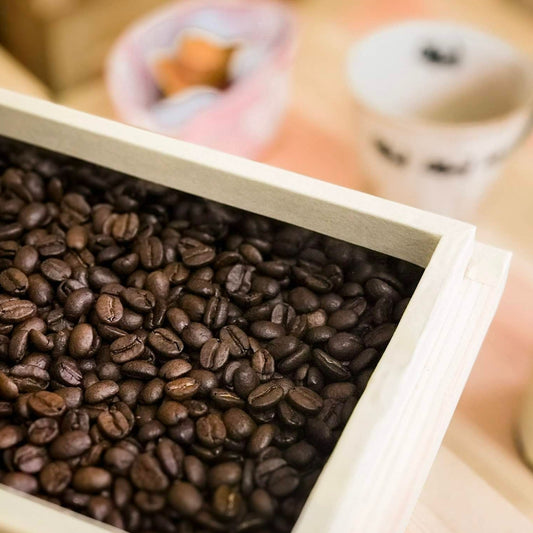
The Japanese tea box was engineered for a specific problem: keeping tea leaves fresh across months at sea. When Japan began exporting tea in the 1800s, the boxes had to protect their contents from ocean moisture and insects through long Pacific voyages. The solution — a tightly fitted wooden box with foil lining — proved so effective that the form has barely changed in two centuries. Today people use them for rice, coffee beans, clothing, camera equipment, and anything else that benefits from consistent humidity control. Cared for properly, a tea box will outlast most things in a household by generations.
Maeda Kobo makes these boxes in Kawane-Honcho, Shizuoka — once a center of tea box manufacturing, where workshops closed one after another as cardboard and plastic took over. In 2000, Kieko Sonoda retired from a career in local government and took over the last remaining workshop, a company with a 75-year history that had reached the end of its line. She restarted production with a team now in their thirties and forties. Lumber is dried for at least two months before cutting. Wood shavings go to local egg farmers; offcuts are taken by residents for wood-burning stoves. Nothing is wasted.