The Art of Akae Fine-Line Painting
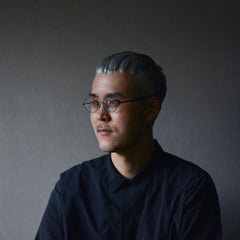
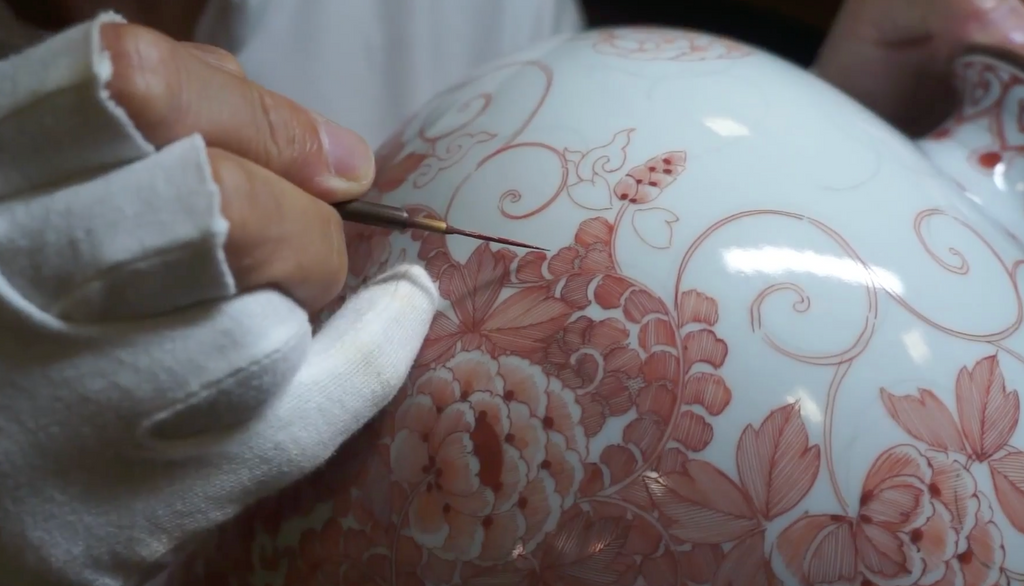
Within a single millimeter, Kazuhiko Komekyu can draw three lines. Based in Ishikawa Prefecture, Komekyu works in akae saibyō, a Kutani ware technique in which intricate patterns are painted across the surface of a ceramic piece using an exceptionally fine brush.
Drawing such fine lines is not simply a matter of moving the brush slowly. If the brush moves too slowly, the pigment begins to pool and the line becomes thicker. The brush must instead move at a steady pace, stroke after stroke. The intricate patterns covering Komekyu's work are built through this repeated, highly controlled process.
The Kutani Ware Once Known as "Japan Kutani"
Kutani ware has been produced in Ishikawa Prefecture for more than 360 years. Known for its vivid colours and detailed decoration covering the surface of a vessel, it began to reach a wider international audience during the Meiji era.
Kutani pieces were exhibited at international expositions, including the 1873 Vienna World's Fair, and became so widely recognised in Europe that they came to be known as "Japan Kutani."
One of the techniques within this tradition is akae, characterised by detailed patterns painted primarily in red and often accented with gold. At its peak, an estimated 200 to 300 craftspeople in the region practised the technique. Today, that number has fallen to around twenty.

From Oil Painting to Akae
Kazuhiko Komekyu was born in Ishikawa Prefecture in 1968. He first studied oil painting at Kanazawa University of Art and Technology before learning Kutani ware at the Ishikawa Prefecture Kutani Ware Technical Training Institute. In 1996, he established his own studio, Komekyu Kiln.

Today, Komekyu specialises in akae saibyō, an especially intricate form of akae in which patterns are constructed from extremely fine lines. His brushwork is precise enough to place three lines within a single millimeter.
The brushes used for this work are not used straight from the shop. A new brush is first used for preparatory sketches for around three years, allowing the natural oils in the hair to dissipate. The surrounding hairs are then trimmed away until only the fine central core remains. Once prepared, a single brush can be carefully maintained and used for ten to fifteen years.
Komekyu also mixes his own pigments, whose consistency can vary slightly from day to day. Producing these detailed lines for hours at a time requires more than technique. Komekyu says it also takes "mental strength" and "the physical endurance to keep sitting." Because every line is drawn by hand and both the brush and pigment can behave slightly differently each day, no two pieces are exactly alike.
Taking Akae Beyond Red
As its name suggests, akae saibyō was traditionally a technique executed in red. The properties of the iron-based red pigment made it particularly suitable for producing the extremely fine, controlled lines the technique requires, and for many years it was considered difficult to achieve the same result in other colours.
After years of researching pigment formulations, Komekyu succeeded in producing the same quality of fine lines in blue, green, and black. While continuing to use the traditional techniques of akae saibyō, he has expanded the range of colours in which they can be expressed.
The Meaning Behind the Patterns
Komekyu's work also incorporates many traditional Japanese kishō mon'yō, or auspicious patterns. These motifs have long been used to express wishes for happiness, longevity, prosperity, and good fortune, appearing not only on ceramics but also on textiles, architecture, and other forms of Japanese decorative art.
"The patterns contain prayers and blessings, as well as praise for precious lives. I aim for something of the highest quality — layering motifs that carry many meanings, one stroke at a time, across the surface of the ceramic."
— Kazuhiko Komekyu
"What comes through the brushwork is the painter's own inner world, expressed through the tip of the brush."
— Kazuhiko Komekyu
Spinning Top
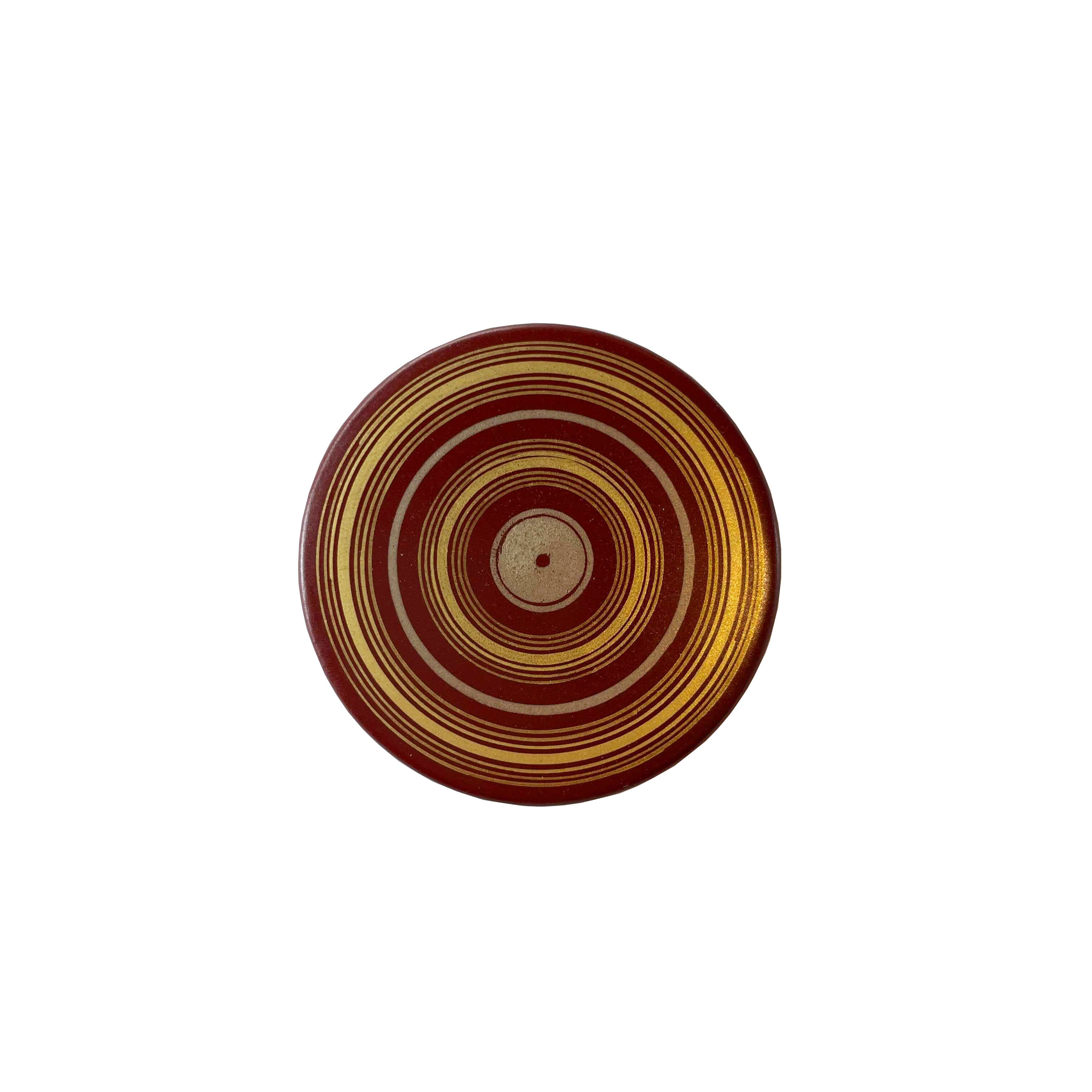
Because a spinning top continues to turn smoothly around its axis, the motif is associated with the idea of things "turning well." It carries a wish for good fortune to circulate and for life and circumstances to proceed smoothly.
Cherry Blossom
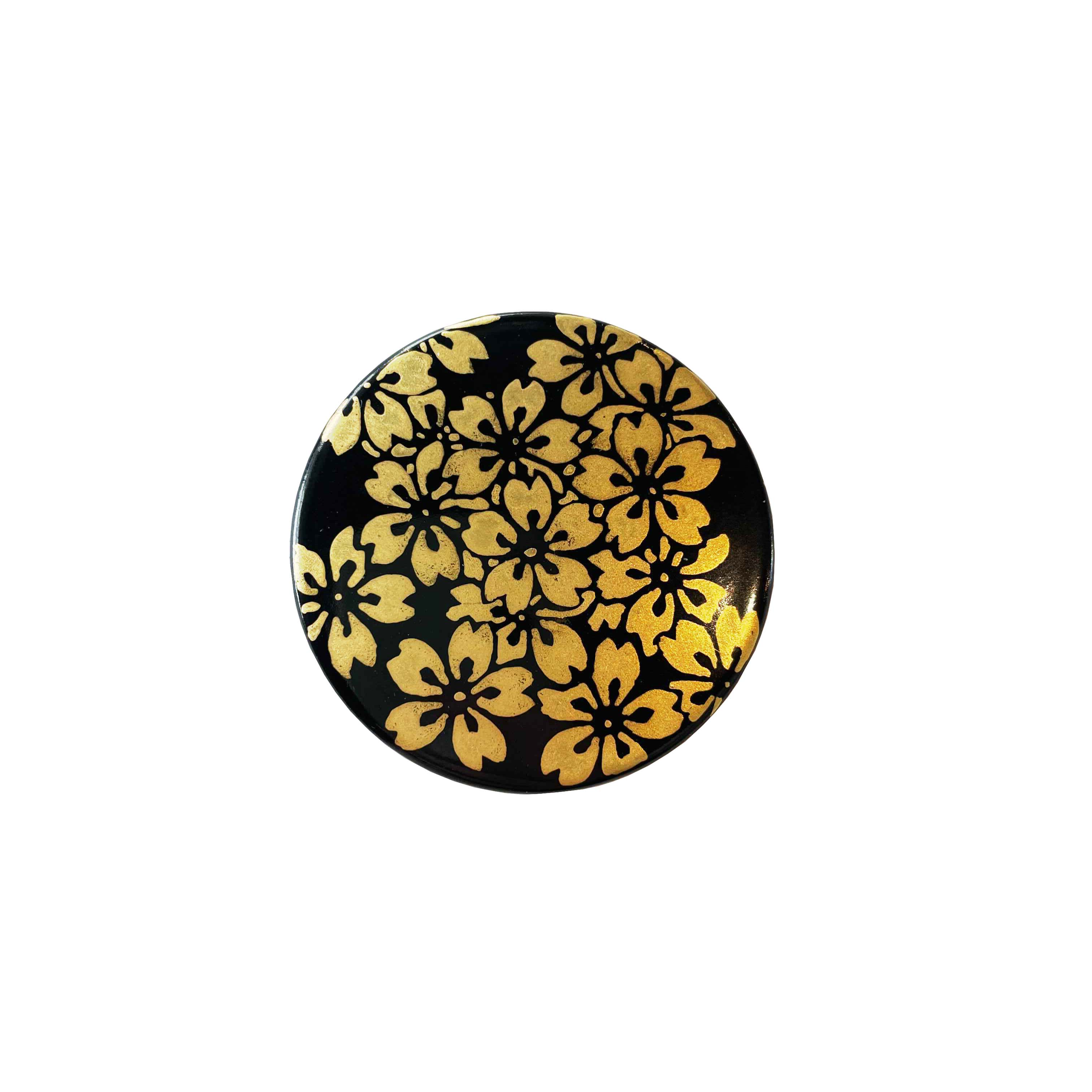
One of Japan's most familiar floral motifs, the cherry blossom has long been used in decorative arts as a symbol of new beginnings and prosperity.
Flower
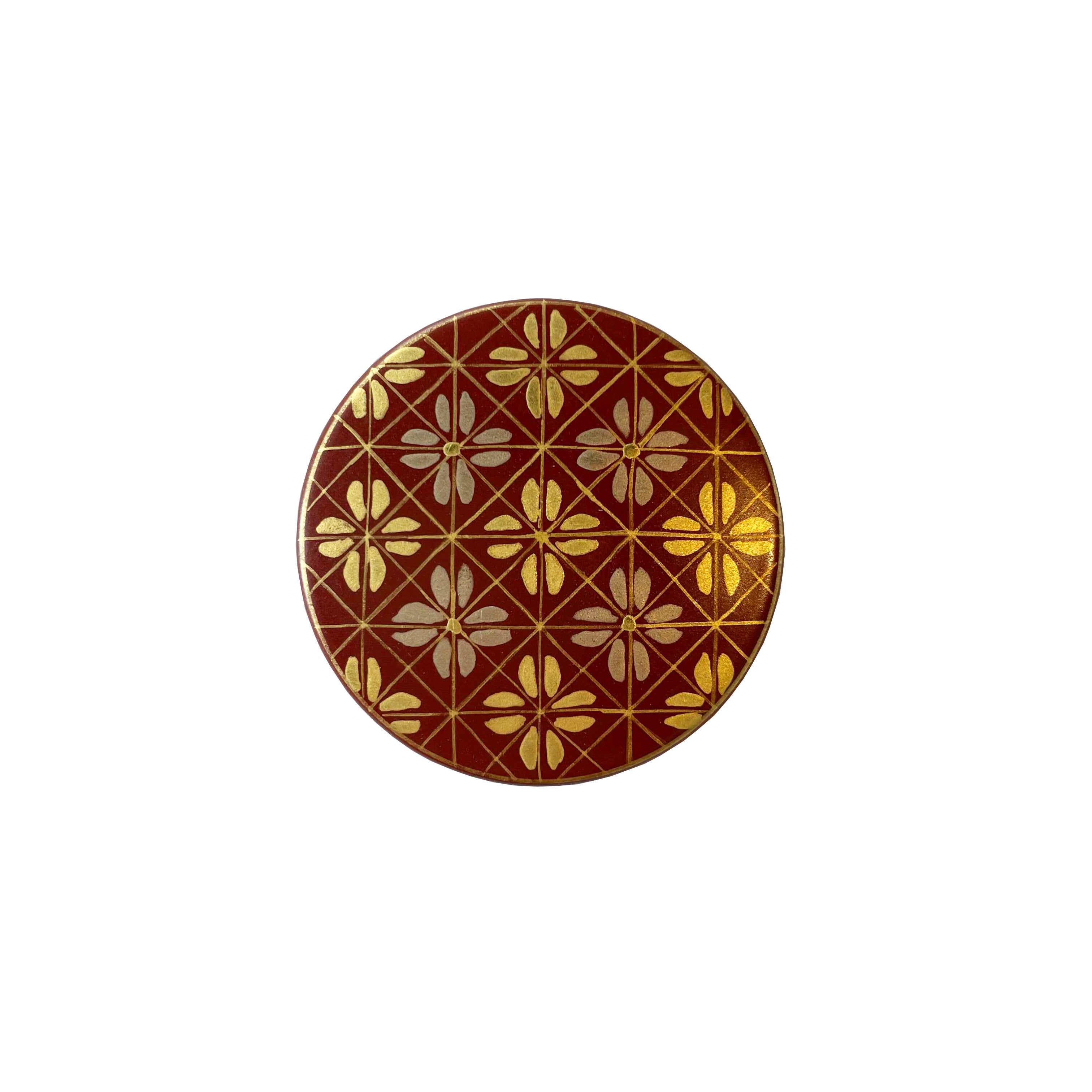
Flowers have appeared throughout Japanese craft and decorative art for centuries, representing beauty, abundance, and vitality. In Komekyu's work, even the form of the flower is built from layers of exceptionally fine lines.
Mesh
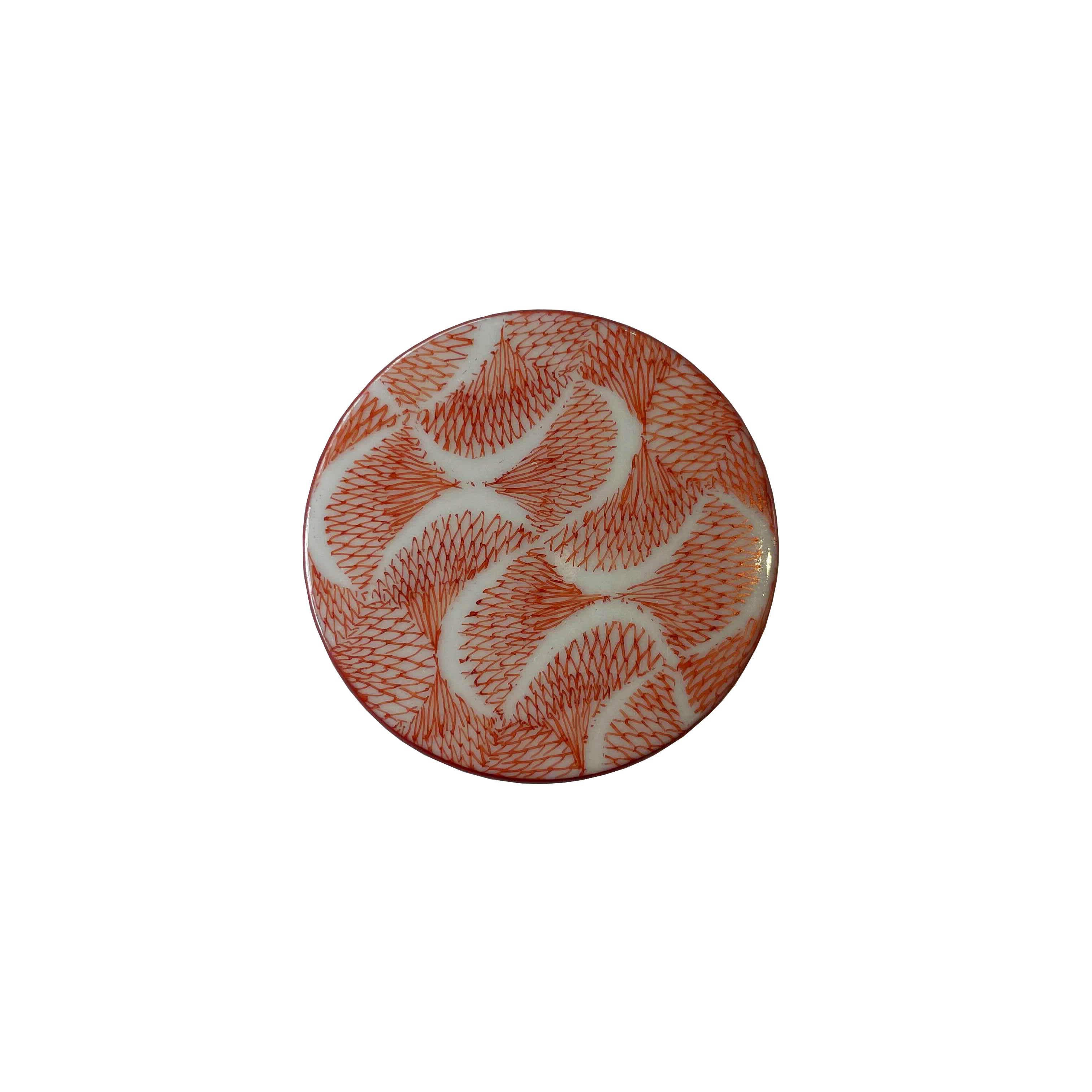
Inspired by a fisherman's net, the mesh pattern is associated with the idea of "catching happiness" or "gathering good fortune." It has traditionally been used as a motif expressing wishes for abundance and good luck.
Chintz
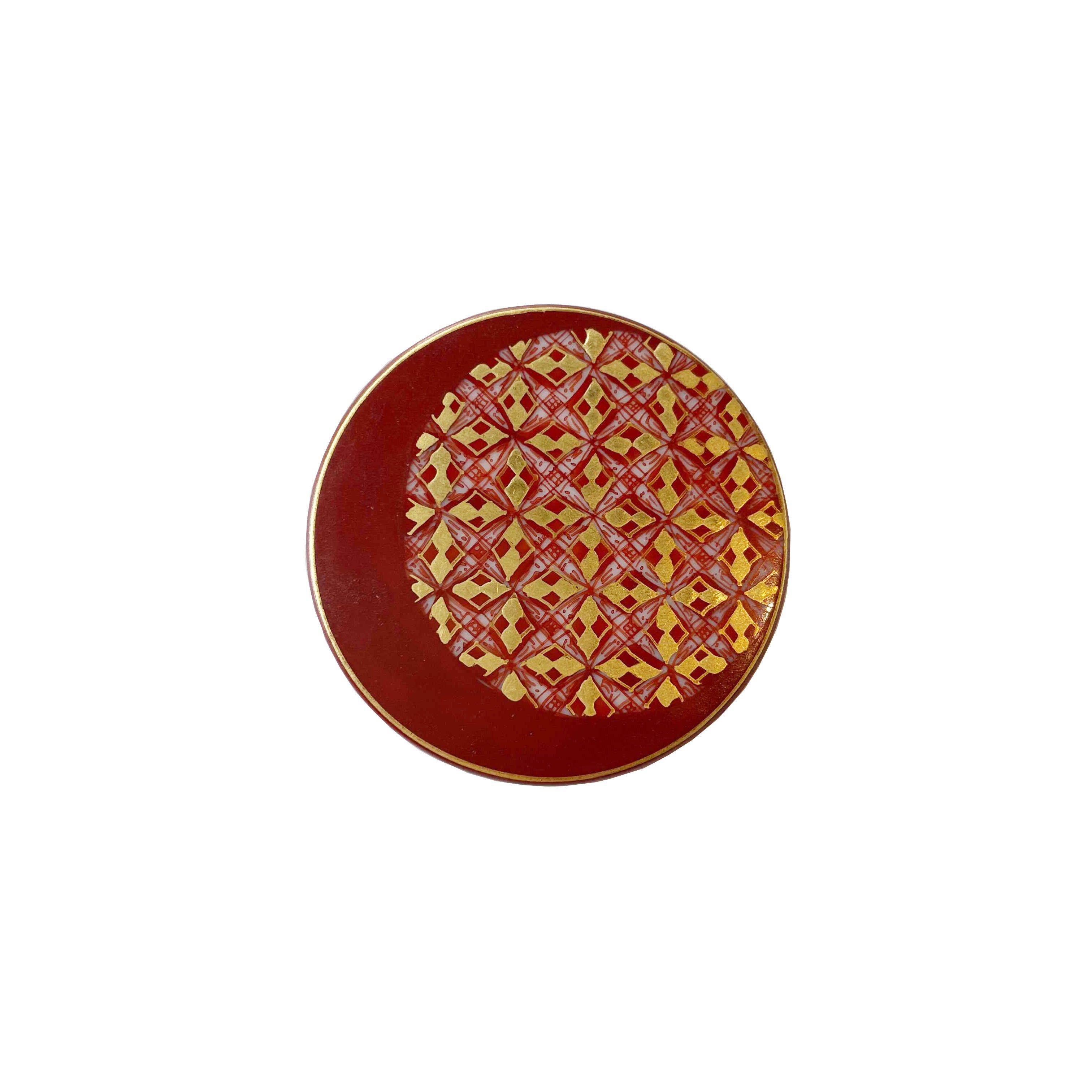
Chintz originated in India and was brought to Japan through Portuguese and Dutch trade from the late 16th century onward. The imported textiles were highly prized in Japan for their rarity, and their distinctive patterns later found their way into ceramics and many other Japanese crafts.
In Komekyu's work, these traditional motifs are drawn one by one with an exceptionally fine brush. The closer you look, the more individual lines become visible — along with the traditional meanings contained within the patterns themselves.

Find products here
Kazuhiko Komekyu
View Collection →