Handmade Wood Furniture Atelier in Tokyo, Japan
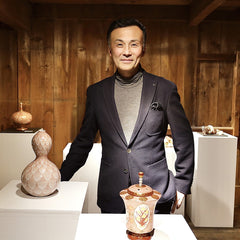
KOMA is a furniture atelier based in Ogikubo, Tokyo. It is led by Shigeki Matsuoka — recognized in 2020 as a "Contemporary Master Craftsman," the highest honor the Japanese government awards to working artisans — alongside Toshihiro Kamei, a founding member and furniture craftsman.
A goldsmith who found wood
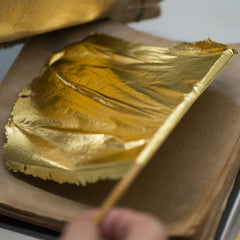
Kamei's background was in metal engraving. He co-founded KOMA with Matsuoka in 2003, left after a year to develop his skills elsewhere, and returned in 2006 after training in furniture making. Working on built-in furniture and fixtures, he found himself drawn to the finer work — the small, precise, detail-oriented kind.
That attention to detail is reflected throughout KOMA's approach to making furniture. Each new piece begins with Matsuoka sketching the design, drawing up a blueprint, and creating a one-of-a-kind prototype by hand. From there, the craftspeople develop it into a finished product, while preserving the character that can only come from handwork. Even the grain and color of the wood are carefully selected and matched under natural light, piece by piece.

Hand-finishing is an essential part of KOMA's approach.
The problem KOMA is trying to solve
Craftspeople and design professionals visit KOMA's flagship from across Japan — not only to see the work, but to study how the studio is run. What they find is a different model for how a workshop can operate.
KOMA's view is that Japanese craft is admired from the outside, but the conditions for the people making it are not sustainable. Much of the industry runs on a subcontracting model: craftspeople are hired to execute specifications derived from sales data — what will sell, at what price point. In this system, skill is rewarded only up to a ceiling. There is little room for individual expression, and little incentive to enter the field.
Craft as authorship
KOMA's response is to develop what they call the craftsperson's ability to produce — not just to make well, but to bring something to market, build an audience, and sustain a practice. Making well is assumed. The question KOMA asks is what comes after that: how does a craftsperson's work reach the people who would value it?
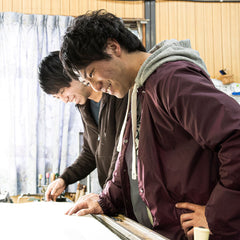
The intention is that each person's individual sensibility becomes a strength of the studio — that KOMA is known not as a single style, but as a place where distinct voices develop and find their audience.
When asked about his goals for the future, Kamei's answer was memorable.
"I'm too busy to think about goals."
— Toshihiro Kamei, KOMA
What drives him right now, he says, is the simple pleasure of making things alongside people he respects. For craftspeople who want to build a life from their work — and find a way to do it on their own terms — KOMA may offer something worth looking at.

Find products here
KOMA
View Collection →